2020 ➤ Hockney’s drawings lay bare the artist’s soul in the shifting sands of time

David Hockney, Drawing from Life, National Portrait Gallery, Reviews,

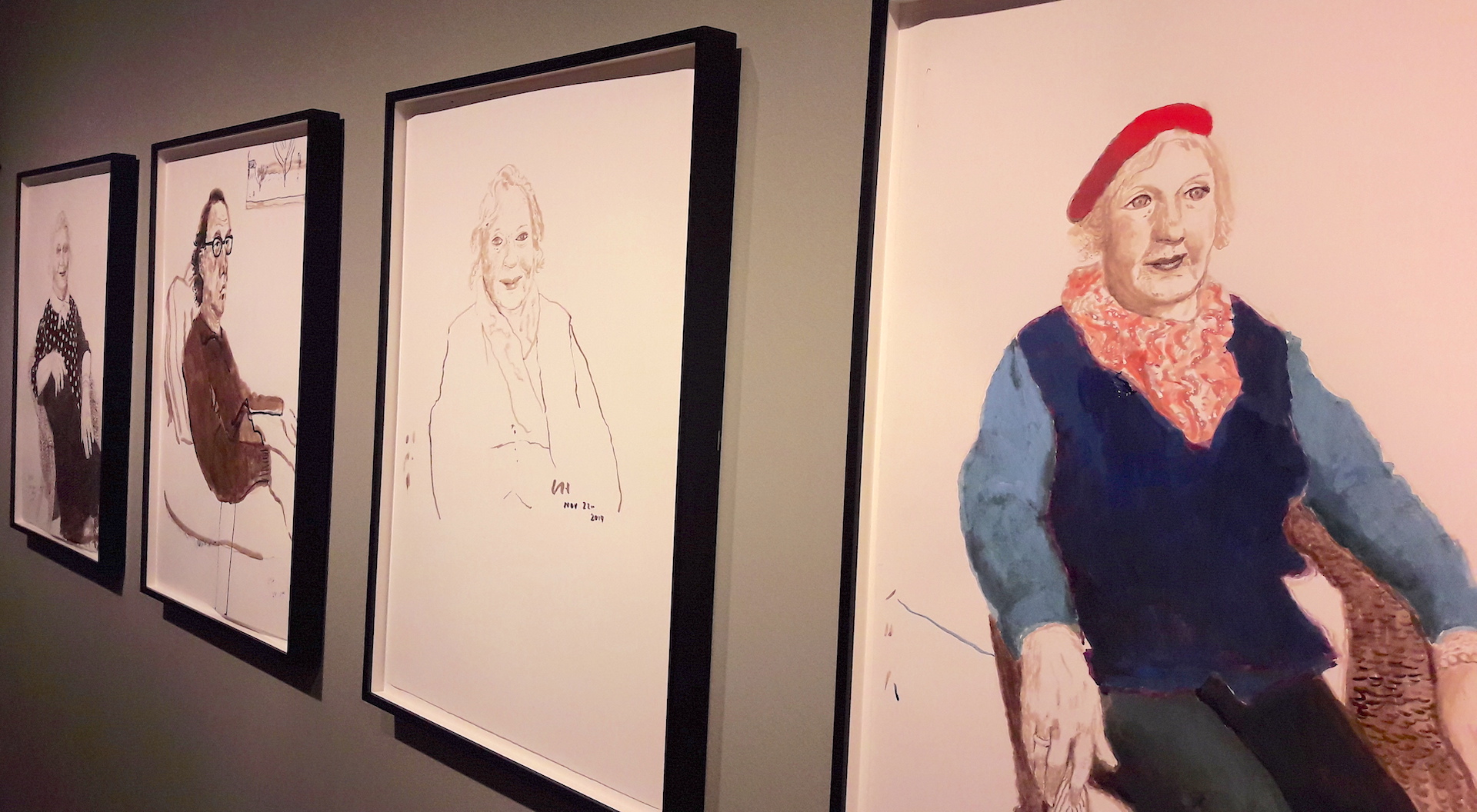
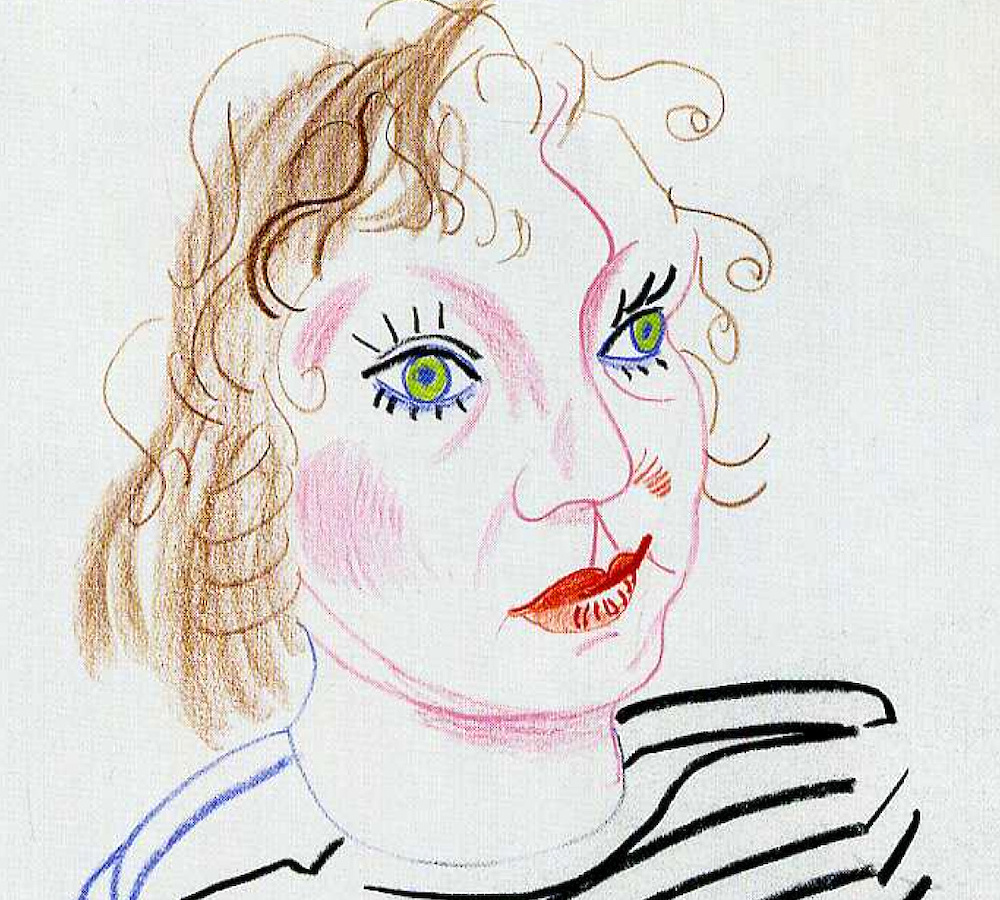
Fashion designer Celia Birtwell: drawn in crayon by Hockney in Hollywood, 1984 (detail)

◼ TWO OF OUR LEADING newspaper art critics have blown hot and cold over the new exhibition of David Hockney’s portraits titled Drawing From Life at the National Portrait Gallery in London. The Guardian’s Jonathan Jones awarded it five stars, raving in the most civilised way about the artist’s skill as a “graphic master” in this “the most dazzling display of his art I have ever seen”. Some praise!

However, the Times headlined its two-star review “Hockney gets hackneyed” while critic Rachel Campbell-Johnston complained that the show is repetitive: “less a fresh look at an innovative talent than a restricted rehash of what was just a small part of other previous shows”.

After two hours examining the 150 portraits large and small, many of them familiar images spanning six decades, I confess to having a foot in both camps. From the outset as a schoolboy Hockney’s eye for a spare line portraying fine detail was breathtakingly meticulous and, if you accept that capturing the eyes is the secret to any portrait, you will be thrilled to your imaginative roots by studying these 150 pairs of eyes up close! It’s a time-worn truism to say that you must visit an art gallery in the flesh because viewing reproductions in print or online can never do justice to an original painting or drawing. Here up close to Hockney’s strokes, in pencil, pastel, charcoal or etching, they are so evidently masterly, whether hair-fine or gesturally bold. The length of some lines is prodigious and intriguing to follow.

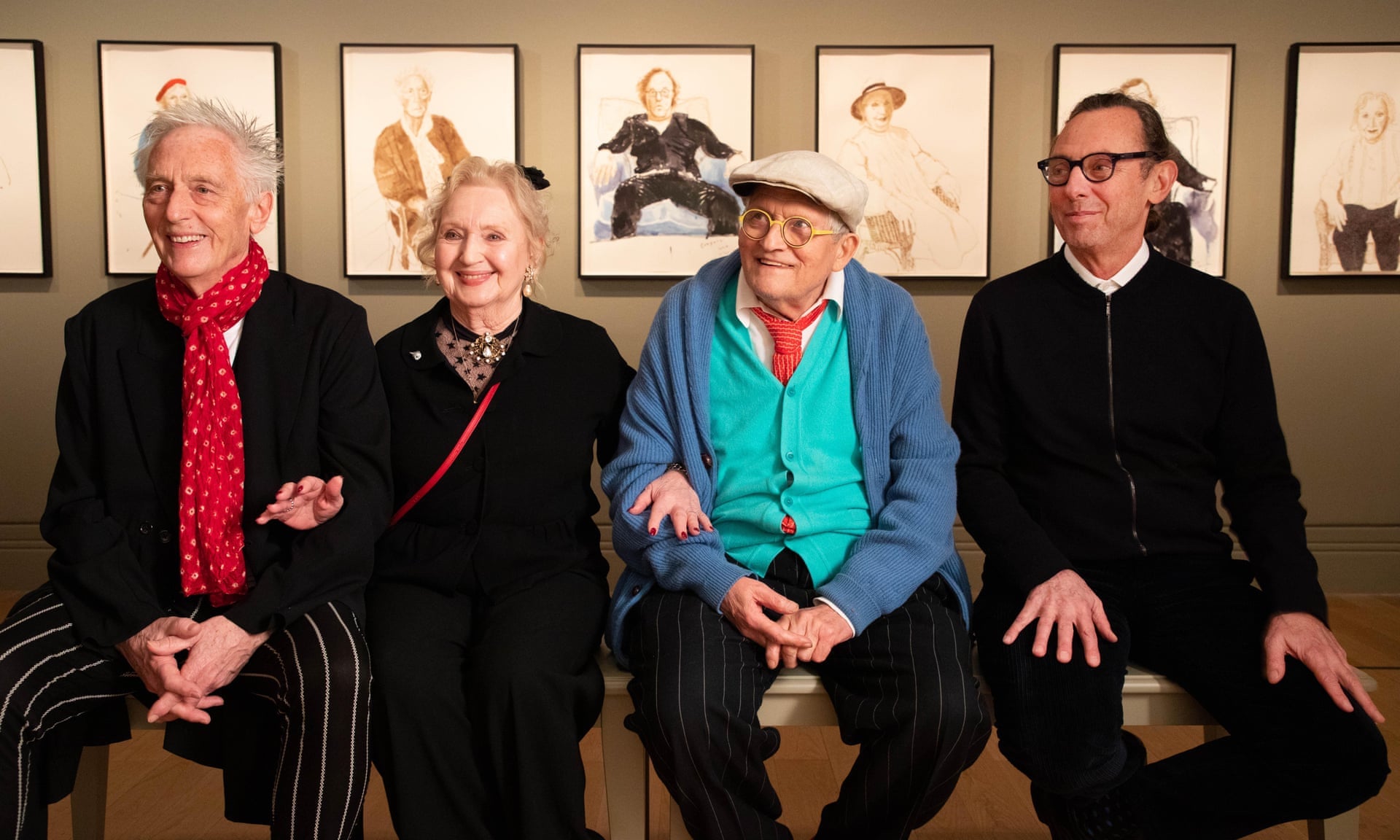
But yes, by the time I reached the final two rooms I’d already had enough, a mood that was visibly expressed there on the faces of the three friends who’d modelled for the great man for ever and again: onetime boyfriend Gregory Evans, designer Celia Birtwell and printer Maurice Payne. Hockney’s most recent frank portrayals of this visibly timeworn trio were not remotely flattering and they leave you wondering to what extent those forbearing friendships have been tested! Celia even told the Guardian her new chubby portrayal was “horrible” though conceding, “That’s life: One gets old”.

Click any pic below to enlarge all in a slideshow

David Hockney, Drawing from Life, National Portrait Gallery, Reviews,

The final gallery in Drawing From Life: the most recent and frank portraits of Celia, Maurice & Co.

In her Times review, Rachel C-J was essentially dumping on the predictable curation of this NPG show and especially the “lacklustre finale” that had required Hockney to redraw each of his subjects during 2019. She readily acknowledges his master draughtsmanship and his preoccupation with eroding distance “so that we can all come closer together”. Intimacy and mood are the keynotes to portraying his friends and RCJ happily recognises the portraits of his mother too as “magically intimate, subtle and tender”.

Much of this goes for his expressive self-portraits, some of which we view on vertical video screens which animate their progress as iPad drawings and always prove mesmerising. Many of the self-portraits are intense, starting with a precocious clutch executed in his late teens. Jonathan Jones makes much of Hockney’s learning curve: “What makes this exhibition so staggering is the picture it builds of a man who has never stopped learning”, ever since Picasso’s work imparted to him the essence of simplicity. And of staying alive to the world around us. Do go. There’s always pleasure to be had from the detail in a Hockney.
David Hockney, Drawing from Life, National Portrait Gallery, Reviews,

Old friends reunited at the National Portrait Gallery last week: Maurice Payne, Celia Birtwell, David Hockney and Gregory Evans. (Photo: David Parry)
➢ Hockney: Drawing From Life runs 27 February to 28 June 2020 at the National Portrait Gallery, before it closes for refurbishment

➢ The David Hockney Foundation archive

➢ Elsewhere at Shapers of the 80s:
1983, Britain’s favourite painter discovers a truer
way of seeing, with help from Proust

FRONT PAGE

2020 ➤ “Every hat is opening night” – Stephen Jones 40 years on

Culture, Vogue, millinery, Stephen Jones,Fashion, London, Social trends ,

Stephen Jones: 40 years as fashion’s head master

40
YEARS
ON

The decorated British milliner Stephen Jones has created headgear for everyone from Princess Diana to Rihanna, collaborated with some of fashion’s greatest houses and contributed to exhibitions around the world. This week he talks to Liam Freeman for Vogue about his glittering career. . .

Vogue, millinery, Stephen Jones,Fashion, Rihanna, Social trends ,

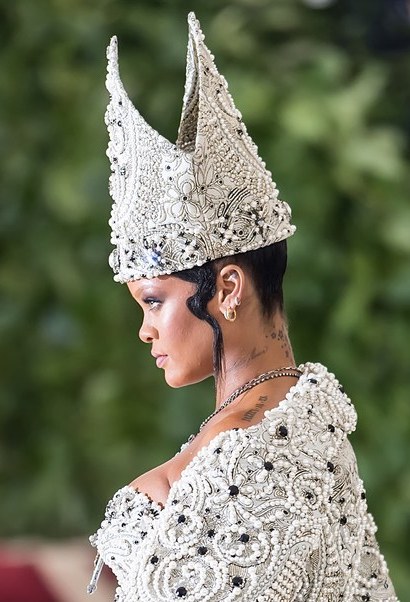
Rihanna sports Jones at the 2018 Met Ball (Getty)

It’s 40 years since Stephen Jones – one of the fashion industry’s most prolific and inventive milliners – entered the hat game. Does it feel like yesterday? “No it doesn’t,” the 62-year-old replies. “It definitely feels like I’ve had a career doing this. But the thrill and the terror of making a hat is just the same as when I started.” Why the terror? “You’re dealing with a piece of white paper, you’re working with a [insert: often world-famous] client, a high-profile designer, and you do learn how [to do it], but in a way you don’t because every hat is opening night… / Continued at Vogue online

➢ Previously at Shapers of the 80s: Britain’s top hatter, Stephen Jones OBE, celebrates 30 years of Jonesmanship

FRONT PAGE

➤ Stoppard’s superlative new play is a tearjerker echoing his own roots

Theatre, reviews, history, 20th century, London, Leopoldstadt, Tom Stoppard, Patrick Marber,

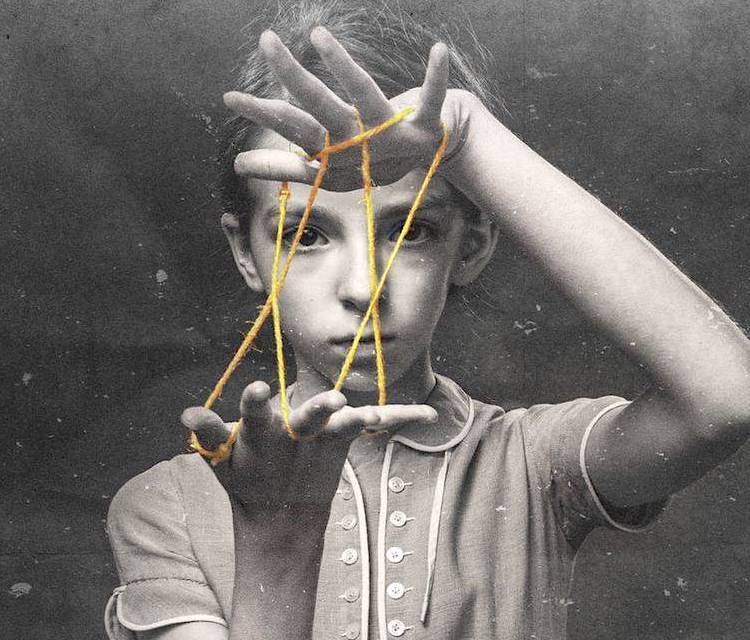
Iconic poster for Leopoldstadt the play: a 19th-century grandchild learns the new mathematics by playing with a cat’s cradle, emblem of cross-generational connections. (Photography Seamus Ryan; design Bob King Creative)

TOM STOPPARD’S MOST PERSONAL PLAY YET opened this week in London and detonated a mighty thunderclap of profound drama. I was not alone with tears streaming down my face when the curtain fell at Wyndham’s Theatre and many of us sat in our seats stunned. Heavens, even our greatest living playwright himself admits he has sat sobbing in the stalls during previews, as he did while writing the final scenes. “Nothing I have written has had that effect on me,” Stoppard told Radio 4’s Front Row on Tuesday about the play that proves more heart-wrenching than any of his previous 30.

Theatre, reviews, history, London, Leopoldstadt, Tom Stoppard, Patrick Marber,

Another gifted collaboration: Marber and Stoppard in rehearsal

Though named after Leopoldstadt, the poor Jewish district of Vienna, the play is set on the posh side of town. It is monumental in scale and epic in emotion. Its ensemble of 40 accomplished actors headed by Adrian Scarborough, Faye Castelow, Caroline Gruber and Ed Stoppard (yes, son) explore the traditions and fortunes of an extended cosmopolitan family through the first five decades of 20th-century history, made flesh with more harrowing detail and revealing dialogue than most of us could imagine or would want to when the jackboot of the Third Reich arrives. While a clock ticks loudly.

Untypically for Stoppard we hear less of his usual glittering wit and fewer laughs, while those that spasmodically do surface reflect Vienna’s intellectual achievements in art, maths, music and Dr Freud’s new-fangled psychoanalysis.

A glimpse of wit from the play: “Today’s modern is tomorrow’s nostalgia: we missed Mahler when we heard Schoenberg”

The bedrock is memory. Questions are raised about identity and heritage in a city and an era when Jews and Catholics happily inter-marry. Director Patrick Marber illuminates the interwoven branches of family trees as deftly as he did with the preposterous though mostly real life stories of Lenin, Joyce and Tzara that made his 2016 revival of Stoppard’s Travesties its wittiest production yet.

Theatre, reviews, history, 20th century, London, Leopoldstadt, Tom Stoppard, Patrick Marber,

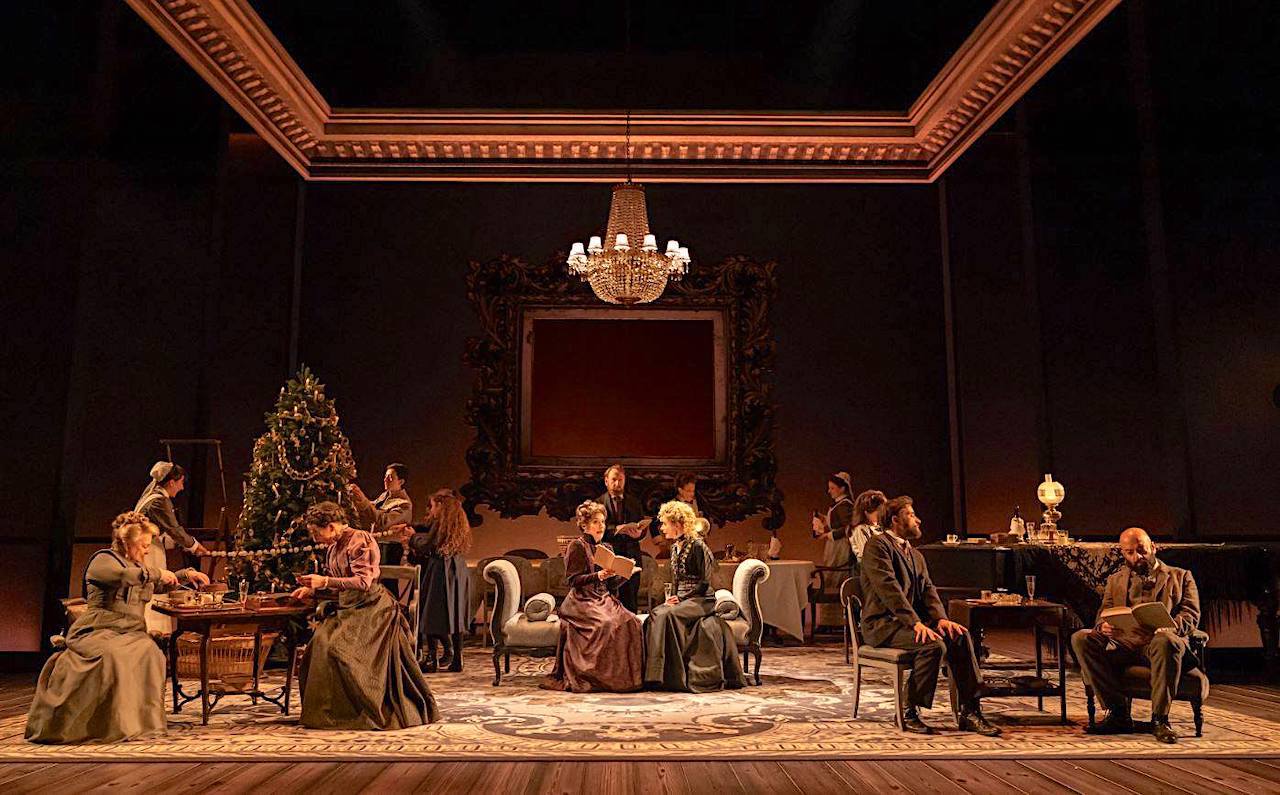
Leopoldstadt the play: Jewish and Catholic families celebrate Christmas in the Vienna of 1899

Leopoldstadt is the nearest thing to tragedy written by the 82-year-old playwright. It also features himself in the character Leo who is aged 24 in the final scene set in 1955, a caricature of English privilege who has grown up in Britain, having arrived at age eight, as Stoppard did, after being whisked away from the Nazis in Czechoslovakia where he had been born Tomas Straussler. His four grandparents all died in concentration camps, though Stoppard only discovered his Jewish heritage relatively late in life owing to his mother’s reluctance to revisit the past.

The play has been years in gestation and might possibly be Stoppard’s last. For its eloquence, prescience, intimacy and empathy, it will stand as a gloriously moving testament to his humanity.

➢ Leopoldstadt runs at the Wyndham’s theatre, London, until 13 June

➢ John Wilson interviews Stoppard for Radio 4’s Front Row, 11 Feb

Theatre, reviews, history, 20th century, London, Leopoldstadt, Tom Stoppard,

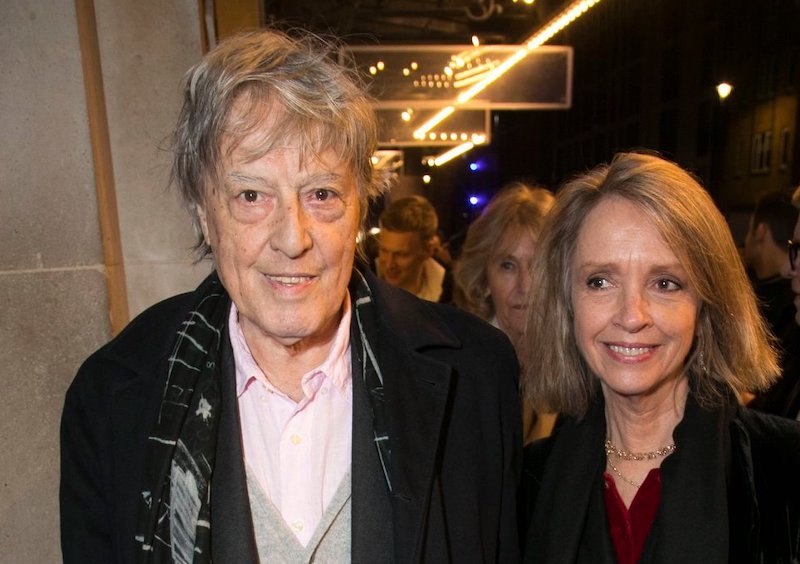
At the premiere of Leopoldstadt: Sir Tom Stoppard and wife, Sabrina Guinness

REVIEWS THE MORNING AFTER

➢ Director Patrick Marber has knitted Tom Stoppard’s putative swan song into a compelling whole – reviewed at Theartsdesk

➢ Stoppard’s family portrait is an elegiac epic – reviewed in The Guardian

➢ Stoppard’s new masterwork is an early contender for play of the year – reviewed in the Evening Standard

➢ Raising the emotional voltage, the dramatist puts a version of himself on stage – reviewed in The Observer

➢ Stoppard delivers an unforgettable play from the heart – reviewed in the Telegraph

➢ Stoppard’s supremely moving new play – reviewed in The Stage

➢ A master playwright finds urgent lessons for the present in the past of a Viennese family – reviewed in the New York Times

FRONT PAGE

➤ Thanks, Steve, for my invitation to the Swinging 80s

Blitz Kids, New Romantics, Observer Music Magazine, Derek Ridgers,Spandau Ballet, Steve Dagger, Steve Strange, Tipping points,London, Media, Politics, Pop music, Swinging 80s,,

The Observer Music Monthly, Oct 4, 2009. Pictures © by Derek Ridgers

40
YEARS
ON

ALSO THE FIFTH ANNIVERSARY OF
STEVE STRANGE’S DEATH

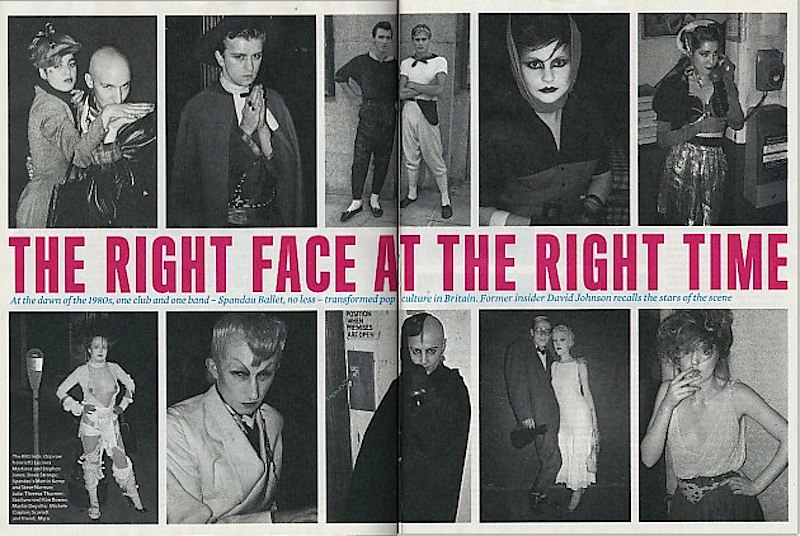
WHEN MY PHONE RANG IN JANUARY 1980, little did I realise its message meant: “Put out the cat. You’re coming to the party of your life.” The voice on the other end spoke without pausing: “My name’s Steve Strange and I run a club called the Blitz on Tuesdays and I’m starting a cabaret night on Thursdays with a really great new band…. they combine synthesised dance music for the future with vocals akin to Sinatra, they’re called Spandau Ballet and they’re going to be really big. . .”

➢ Click through to continue reading Yours Truly’s eye-witness account of Spandau Ballet, the Blitz Kids and the birth of the New Romantics at The Observer Music Monthly

➢ Elsewhere at Shapers of the 80s:
The Invisible Hand of Shapersofthe80s draws a selective
timeline for the break-out year of 1980

FRONT PAGE

➤ Starman given new life by David McAlmont in concert

 david bowie, David McAlmont, Hideaway, Janette Mason, Sam Obernik, Wall-to-Wall-Bowie, live concert, jazz, review, Andy Polaris,

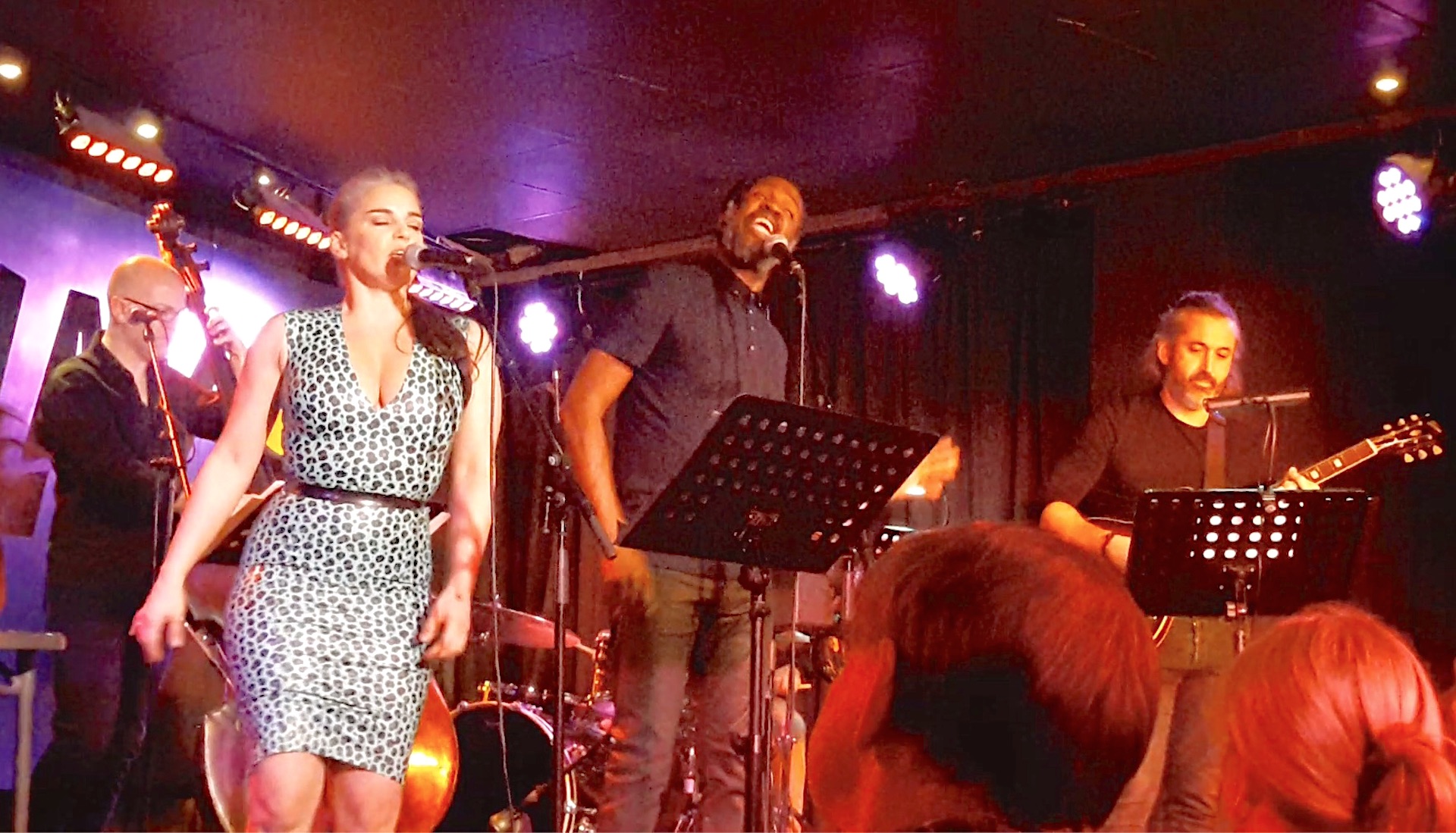
David McAlmont (centre) live at Hideaway: pictured with Simon Little on bass, vocalist Sam Obernik and Emlyn Francis on guitar


❏ Former singer Andy Polaris joins an annual celebration of David Bowie’s music at Streatham’s Hideaway wine-and-dine venue in south London. Here’s an excerpt from his review at his website apolarisview . . .

We were told Wall to Wall Bowie was a celebration, not a wake, as vocalist and songwriter David McAlmont unleashed a varied selection from Bowie’s back catalogue with an accomplished backing band. Dressed almost low-key in dark shirt and trousers, he opened with Watch That Man and immediately we realised these would be interpretations, not pure Xerox copies, and all the better for it.

Suffragette City followed, then Sweet Thing, one of the first stand-outs of the night from Diamond Dogs, elegantly capturing this favourite moody gem, stripped back to reveal the solemn beauty of the lyrics. Starman dazzled despite McAlmont’s irritation at suffering from a cold. Partner in crime Sam Obernik poured herself into a leopard print rubber dress and joined him for vocal duties on theatrical renditions of Changes and Life on Mars. The jaunty duet of Let’s Dance and an almost louche Turkish-infused lilt to The Man Who Sold The World made me imagine them as the house band for David Lynch’s Twin Peaks…/ Continued at apolarisview

➢ A Wall to Wall Bowie five-track EP featuring McAlmont and Obernik is available via musical director Janette Mason’s shop

BLACKSTAR LIVE AT HIDEAWAY IN 2016

FRONT PAGE