Category Archives: photography

➤ Hottest Shapers during 2022

Andrew Ridgeley , Wham Rap, video, Face magazine, Club Culture,

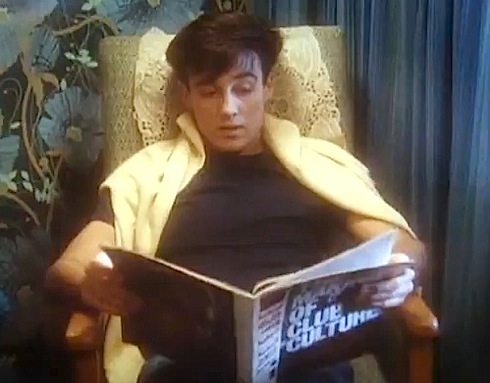
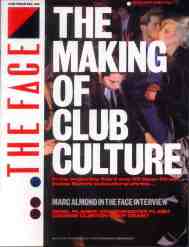
Click pic to open the Wham Rap! video in another window … “Man or mouse” Andrew Ridgeley establishes his group’s clubbing credentials in the opening shots of the Wham video by reading my cover story on Club Culture first published in The Face in 1983 and in recent years the No 1 read at Shapers of the 80s!

❚ OVER THE PAST 14 YEARS Shapers of the 80s has received 2.2 million views, according to year-ending stats measured by our host, WordPress. Our 850+ published items total half-a-million words, which is several times more than most books, so it pays to explore the various navigation buttons. Here are the half dozen posts which remained among the most popular with readers during 2022…

➢ Photos inside the Blitz Club, exclusive to Shapers of the 80s

FACE No 34,club culture ➢ 69 Dean Street and the making of UK club culture – evolution of the once-weekly party night (1983)

➢ Why Bowie recruited Blitz Kids for his Ashes to Ashes video in 1980 from the club-night founded by Steve Strange and Rusty Egan

➢ 20 gay kisses in pop videos that made it past the censor

➢ First Blitz invasion of the US —
Spandau Ballet and the Axiom fashion collective take Manhattan by storm (1981)

NYC,Axiom,Melissa Caplan, Sade, Elms, Tony Hadley, Ollie O'Donnell

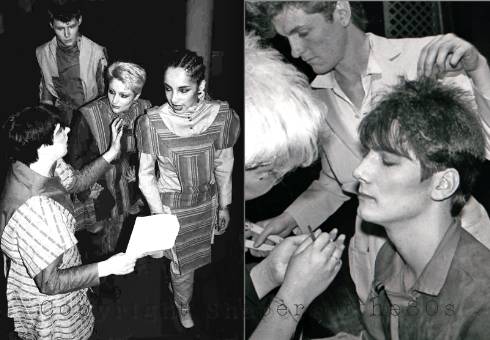
At the Underground club in NYC 1981: Melissa Caplan rehearses Bob Elms, Mandy d’Wit and Sade Adu for the Axiom runway show. Right, Ollie “the snip” O’Donnell goes to work on singer Tony Hadley’s hair. Photographed by © Shapersofthe80s

➢ Posing with a purpose at the Camden Palace — power play among the new non-working class (1983)

FRONT PAGE

2022 ➤ Finally, a blue heritage plaque to honour the Rum Runner

heritage plaque, Richard Whittingham, DJDick, Birmingham, nightlife, Swinging 80s, Rum Runner,

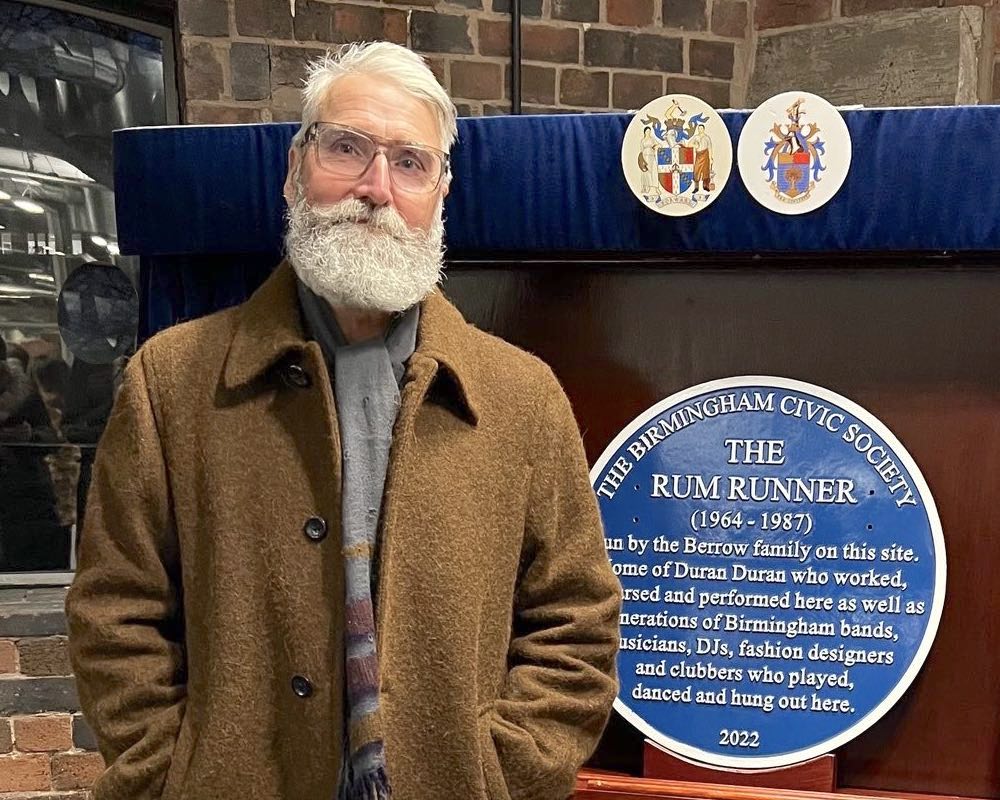
At the unveiling: Richard Whittingham beside the new plaque. (Photo by Adam Regan)

❚ NOT ONLY WAS A PLAQUE unveiled this month before the Lord Mayor of Birmingham to underline the importance of its key nightclub during the Swinging 80s, namely the Rum Runner. . . But the star of the occasion was clearly its deejay, judging from the immediate stream of affection from fans and friends that is appearing online alongside his bearded photo at the event, now aged 62. They said he’d flown in from Lapland especially.

At the age of 19 Richard Whittingham – aka, DJDick – was one of Britain’s most savvy club deejays, reading the tastes of Britain’s second largest city and trying to broaden them to embrace the new dance music like Duran Duran’s which was rapidly filling the post-punk vacuum. For my Nightlife column in the magazine New Sounds New Styles, Dick told me back then: “I’ve been trying to break the funk here for ages but nobody’s into it. The customers aren’t into it and the owners aren’t into anyone taking over their own night. I’m just buying the funk for the day when I have more freedom.”

Click any pic to enlarge:

He found all the glamorous dressing up led by Birmingham’s Kahn & Bell boutique crazily entertaining,  but he admitted what so many clubbers in the Eighties also did about not feeling safe on the streets. When the BBC’s One Show asked in 2011 what he would have worn at the Rum Runner, he replied: “Zoot suits, the odd frilly shirt, winklepickers of course – I had to hide them, to take them out of the house in a bag, and then put them on, because my mother thought they were trouble shoes.” [See interview in video clip below.] Today Dick describes himself as a carpenter and joiner, though he still deejays for occasional events.

Also at the plaque’s preview for the Lord Mayor of Birmingham, Councillor Maureen Cornish, and members of the sponsoring charity the Birmingham Civic Society, we see many local characters pictured at Facebook’s website The Rum Runner – Birmingham, which curiously fails to identify anybody by name! We’ve already guessed that the bearded one is DJDick. Another in the green coat caught wielding a mic and parting the curtains has to be Paul Berrow, one of the brothers who owned the Rum Runner, formerly of Wandering Star Pictures and Tritec Music in the Eighties.

The new plaque is attached to a modern building called Rum Runner Works, set back off Broad Street where the entrance once stood, today located between the  Solomon Cutler pub and the Walkabout sports bar. In the Eighties the council planned to turn Birmingham into a major conference city with developments including the ICC and Symphony Hall. The Rum Runner was demolished in 1987 to make way for the Hyatt Regency Hotel, which opened in summer 1990.

Click any pic to enlarge:

➢ Visit The Rum Runner – Birmingham website at Facebook

Photos displayed here were taken by Neil Drakeford, Debra Warren and Adam Regan who said: “Lovely to see this legendary Brummie club getting a much-deserved blue plaque. The club launched so many careers but none more relevant to me than this great man” [DJdick].

LISTEN TO DJDICK LIVE AT THE RUM RUNNER:

DJDick, 1983, RumRunner, live music,
At Dick Whittingham’s website we can listen to two recordings of him deejaying at the Rum Runner in 1983. These were donated on his 40-something birthday by Mark “Mack” McDonald, an old friend from way back.

VIEW THE BBC ONE SHOW FROM 2011:

➢ Previously at Shapersofthe80s:
1981, Birth of Duran’s Planet Earth

FRONT PAGE

2022 ➤ Spandau seek your help to create a major new showcase

Spandau, New Romantics, pop music, New York City, 1981

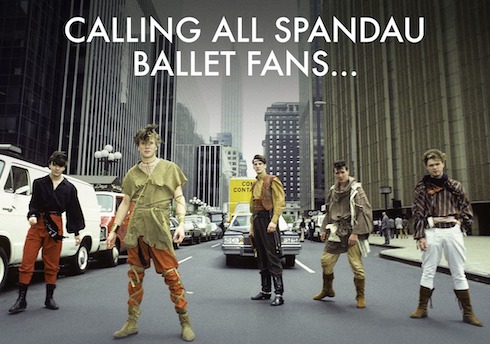
Spandau in New York City 1981: were you there and do you have any memorabilia?

■ THE FIRST NEW BAND out of Eighties clubland to score a chart hit are planning a celebration of those early formative years when the world called them the leaders of the New Romantics.

Today Spandau Ballet – all now in their sixties – announced “a major career-defining project” and appealed to fans for help. The band invites everyone who attended any of their performances between 1979 and 1981 to send in memorabilia such as flyers, posters, tickets, video or film footage of Spandau Ballet, onstage and off. For example, these would include their appearances at London’s Blitz Club, Mayhem Studios, Scala Cinema, HMS Belfast, their first Top of the Pops, Birmingham’s Botanical Gardens, Tiger Bay Cardiff, Heaven and the Sundown in London, Exeter Bowl Bournemouth, Le Palace in Paris, the Underground Club in New York, the Ku Club in Ibiza or the Much More in Rome.

Likewise, send them your memories of the pace-setting dance-led clubs during those years, such as Billy’s, the Blitz, Rum Runner, Le Beat Route, Le Kilt, Club for Heroes, Danceteria, the Voodoo Club, or from 1982 the Camden Palace and the Wag club. Again, memorabilia that captures the fashions and the atmosphere is welcomed.

➢ Click to visit Spandau’s special website for
submissions and more information

➢ Previously at Shapers of the 80s:
1980, Steve Strange’s call to join the party

FRONT PAGE

2021 ➤ New photos to rekindle the spirit of Brummie icons Kahn and Bell

Fashion, Swinging 80s, Gary Lindsay-Moore, Kahn & Bell, Birmingham Rag Market, Damien,

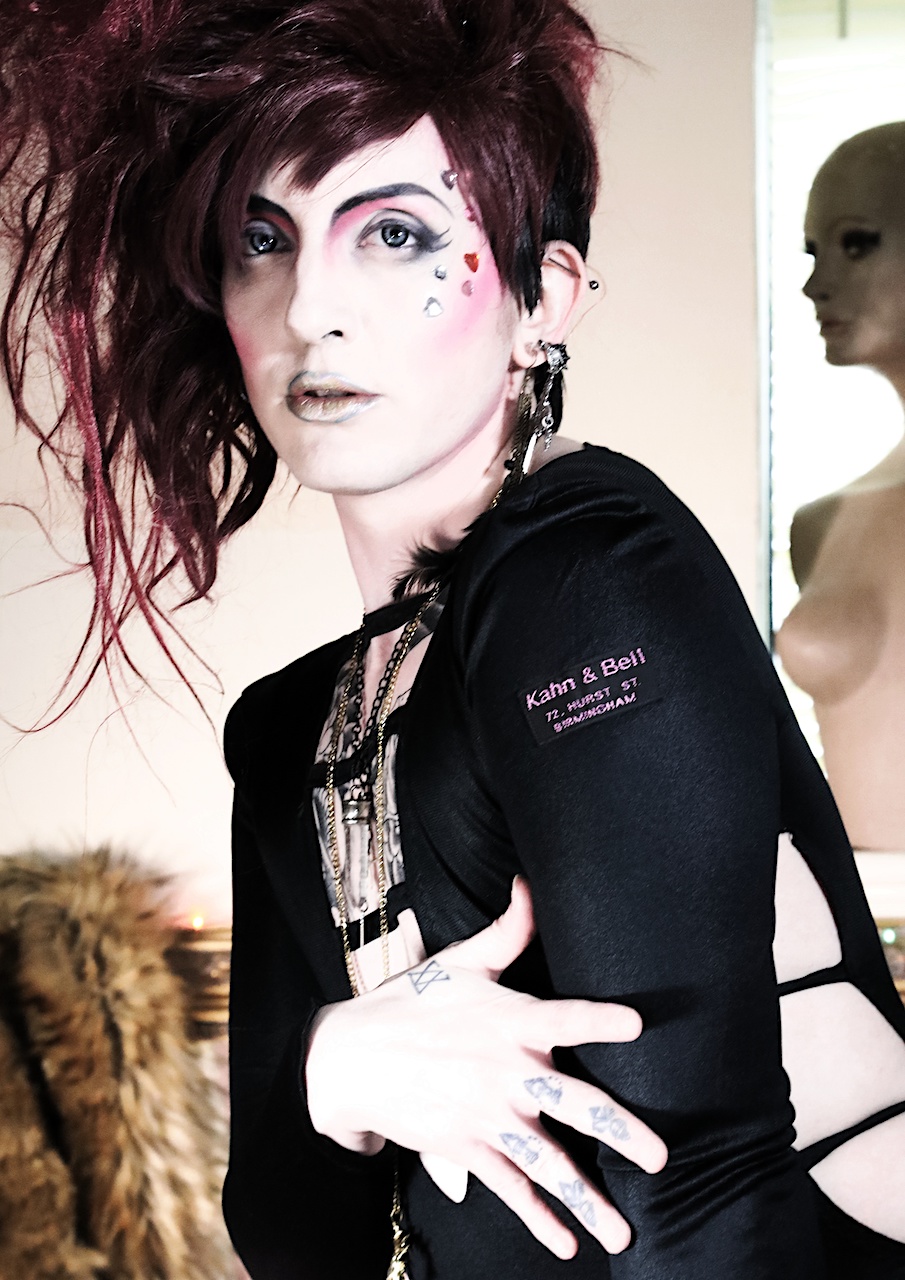
Photographed by Gary Lindsay-Moore for his show It’s Not Unusual: Damien models a vintage Kahn and Bell dress


❚ ART PHOTOGRAPHER Gary Lindsay-Moore was a teenager when he caught the bus from Tamworth to Birmingham city centre to search out a boutique he had been hearing rumours about. Heading on to Hurst Street, he stepped into the emporium created by designers Patti Bell and Jane Kahn – and discovered a whole new world.

“I had no money,” he says, “but went in and there was Patti although I didn’t know it was Patti at the time. I just saw this seven-foot Amazon with massive blonde spiked hair, a massive set of heels and leather and chains. And it was ‘Oh, my goodness, this is amazing’. I felt I’d found my cultural home – this was the kind of excitement I was looking for. The significance for me was profound.”

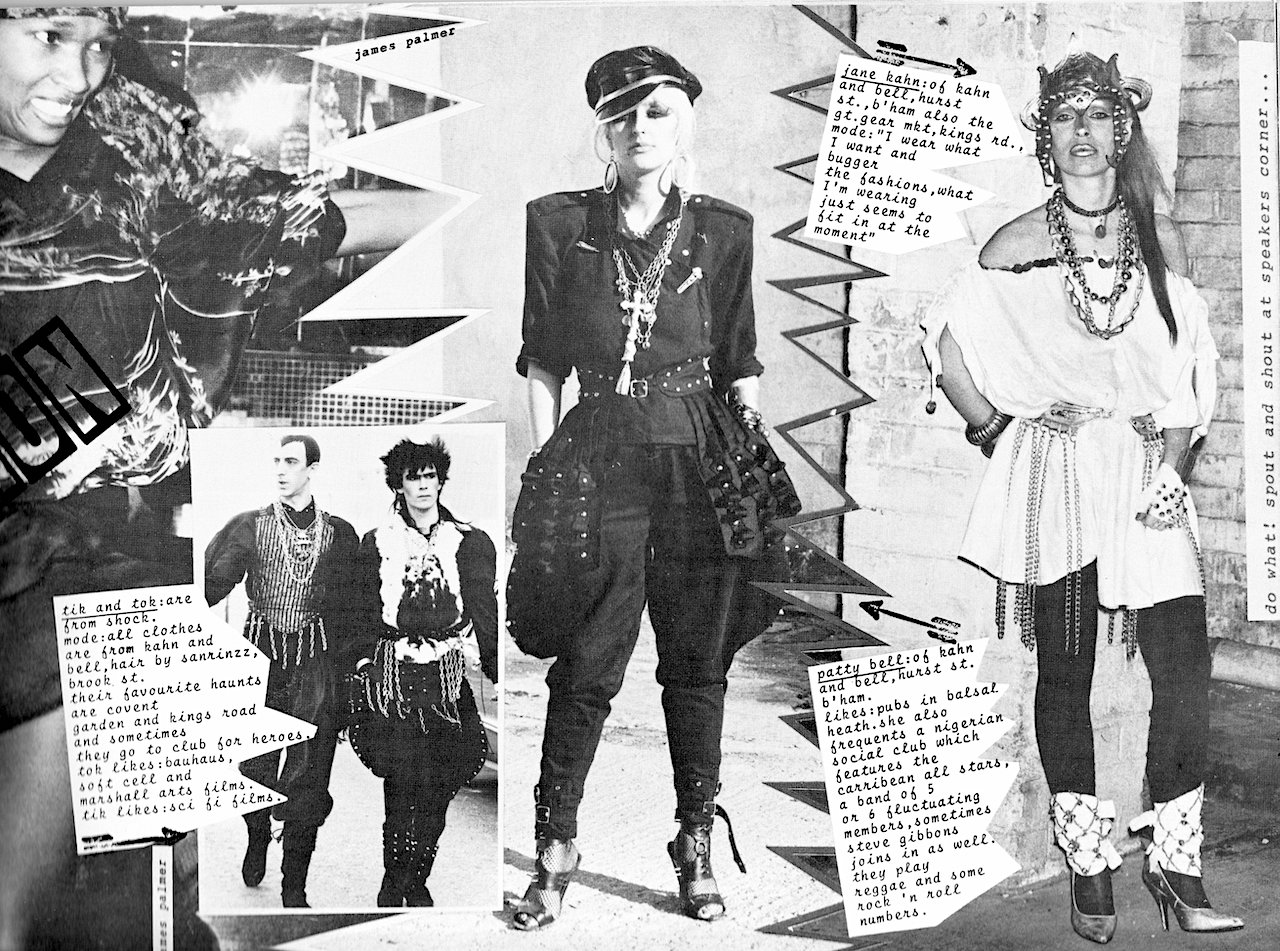
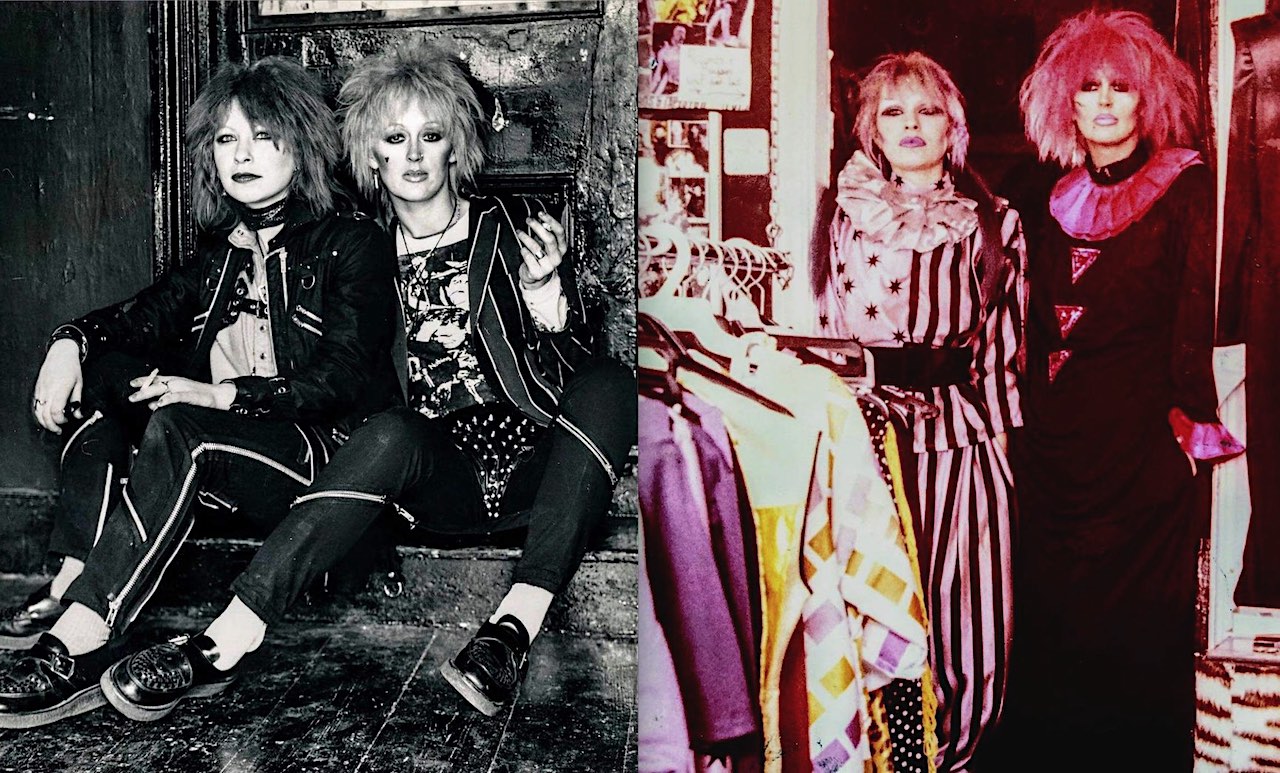
Together, in the late Seventies, Kahn and Bell revolutionised the city’s fashion scene. They were at the vanguard of punk and new romanticism, creating hand-made clothes for a host of pop icons including Birmingham’s own Duran Duran, Eurovision winners Bucks Fizz and music and dance group Shock.

Talked of as Birmingham’s Vivienne Westwood, Kahn and Bell gave people the opportunity to dress to express. And now, 45 years after their shop opened in 1976 in the city’s emerging Gay Quarter, Gary is paying homage to their innovation with a photography exhibition featuring some of their original flamboyant clothing. The exhibition is called It’s Not Unusual as a nod to Patti’s close relationship with music stars of the era including her friendship with singer Tom Jones.

Gary set about capturing the spirit of experimentation and freedom which Kahn and Bell encapsulated in a series of new images of their creations worn by some equally dramatic models. Between July 27–30 the free show runs at Birmingham’s Rag Market, where Patti also ran a stall.

i-D Magazine,Fashion, Swinging 80s, Gary Lindsay-Moore, Kahn & Bell, Birmingham Rag Market,

Kahn and Bell profiled in i-D Magazine No 5, while Shock’s Tik & Tok are seen modelling


One challenge lay in the clothes themselves. “A minor issue was that all these clothes were quite small, like sizes six or eight,” Gary says. “A lot of the photography I do is about body positivity, acceptance and individuality and I didn’t want to just use a skinny model. I wanted people who were modelling them to have the Kahn and Bell spirit.”

Gary tracked down local models with an individual sense of flair including some of the region’s best-known drag artists such as Birmingham’s Twiggy, who had a personal reason for wanting to be involved, having worked for Kahn and Bell in the past.

“I’m not trying to update pictures of Kahn and Bell which already exist,” Gary says. “It’s about putting my spin on the show, so all the models I’ve pictured did their own make-up although we talked about it beforehand to make sure it reflected the make-up of the time. There is lots of make-up, glitter and stick-on gemstones. They all look amazing.”

“I like pictures that work with sub-levels, so I’ve included some references people might spot. Patti and I are both big fans of the film Blade Runner and in one of my favourite scenes in that film there are lots of mannequins so I’ve added mannequins to some of the pictures as a tribute.

“I’m going to be there in the Rag Market and am happy to chat to people, especially those who don’t already know Kahn and Bell who can ask questions and then do a bit of research themselves. We have so much information at our fingertips now but 45 years ago it was all word of mouth.”

Gary has created a book around the project and has already presented Patti with her copy as a recent birthday present.

Birmingham, Fashion, Swinging 80s, Kahn & Bell,

Kahn and Bell in their early years, courtesy of Patti’s son Dylan Gibbons


➢ Prints of his images will also be available to buy on Gary’s website

❚ It’s Not Unusual runs July 27–30, 9am–5pm, at St Martin’s Rag Market, Edgbaston Street, Birmingham B5 4RB (tel 0121 464 8349)

FRONT PAGE

2020 ➤ Beyond: Learning how to be black and gay and blaze a trail to the future

Shapersofthe80s, black issues, gay issues, film, Beyond, Claire Lawrie,

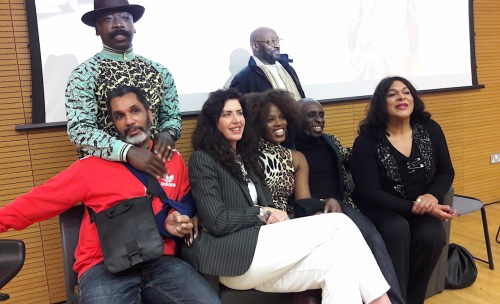
Beyond director Claire Lawrie, centre: with some of her garrulous cast answering questions after a screening at Central Saint Martins college last year. Andy Polaris in red. (Photo by Shapersofthe80s)

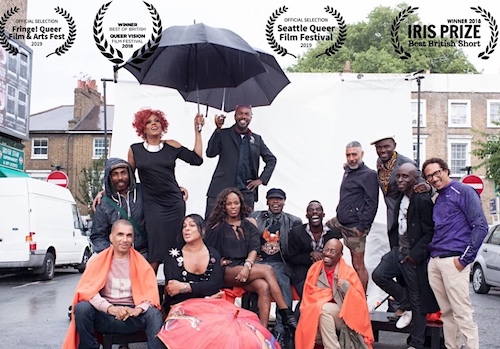
AFTER A STREAM OF EXCLUSIVE SCREENINGS for a poignant and edgy short documentary about growing up black and queer in Seventies Britain, everyone can now view it online. Titled Beyond “There is always a black issue Dear”, the 34-minute film explores black LGBT identities and the ways in which they have influenced the collective history of London’s alternative club, fashion, fine art, dance and music scenes. The cast of ten are long-standing friends of director/photographer Claire Lawrie who helps tell their personal stories when these fans of soul and disco, punks and Blitz Kids found each other’s company in underground clubs.

Over the past year Claire has won a fistful of film-festival awards and, prompted by the coronavirus lockdown, she has posted the full version online, and repeat viewings reward with deeper appreciation.
Black issues, gay issues, film, Beyond, Claire Lawrie,

Photo that inspired the movie Beyond – Click pic to view the film in another window

“To me it’s important now that people
realise that black people were there,
because a lot of the time they
tried to paint us out”
– Andy Polaris

Onetime Blitz Kid Andy Polaris is part of the project and he recalls its origins in this extract from his own website Apolarisview. . .

“ A 2013 exhibition at the V&A museum in London titled Club to Catwalk was instrumental in bringing the collective creative talent of Eighties fashion stalwarts and club luminaries together for a preview party that summer. It was a splendid event, one of the last memorable social events with such a vibrant successful crowd. Among the assembled were Judy Blame, Princess Julia, Andrew Logan, Zandra Rhodes, Body Map, Antony Price, Chris Sullivan and it was the last time I saw Steve Strange (who along with Rusty Egan) had brought us all together at the Blitz Club in 1979.

The visual artist Claire Lawrie was at the V&A and pondered on the omission from the exhibition of gay black talent whose influence had permeated Eighties club culture. Although Jeffrey Hinton’s brilliant cave of projected nightlife photography did feature some of us, Lawrie echoed some of her friends’ frustration that their experience was not reflected in the exhibition. She set about organising an open-call photograph to celebrate a contingent of black talent and arranged for the gathering to be filmed by her friends, Emile Kelly and Kim Mnguni. This was the genesis of something deeper and her award-winning documentary, Beyond “There is always a black issue Dear”, emerged from that event with her as director.

Click any pic of the Beyond interviewees to enlarge all in a slideshow:

Continued: “ Over the next year Claire arranged interviews with ten of the candidates who were filmed on a shoestring. Contributions of archive footage were given by a long list of talented artists, people who, over the years had collaborated with and who wanted to show their respect and love for the cast. These included Pam Hogg, Dick Jewell, Dave Swindells and Nicola Tyson as well as John Maybury, Derek Ridgers, BodyMap, Devon Buchanon and Rankin.

The film adjusts the colour settings of the standard view of black creative lives when telling the story about club culture and its impact in the UK. Featuring ten black queer voices from the diaspora, born in the late Fifties and Sixties in the UK, Guyana and New York, the documentary delves into personal stories of discovery and eventual self-acceptance, looking back at struggles with identity and family and the wider world. The cast features stylist Frank Akinsete, transgender model Winn Austin, international model Roy Brown, make-up artist Kenny Campbell, choreographer Les Child, clubland pioneer Kenrick Davis and his mother Velma “Vee” Davis, nightclub host Nicky Green, gender-fluid performer Lanah Pellay, composer Robb Scott and myself as an original Blitz Kid turned pop singer.
Roy Brown, Black issues, gay issues, film, Beyond, Claire Lawrie

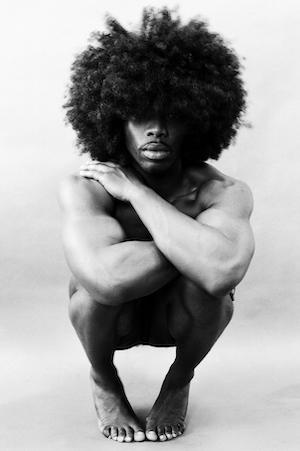
Roy Brown in 1985: poster boy for the Barbican’s recent exhibition on Masculinities. (Photo: Rotimi Fani-Kayode)

In the mid-Seventies and Eighties the UK’s attitudes to both race and gay issues were particularly brutal, endorsed by the anti-gay policies of Thatcher’s government and tabloid sensationalism regarding anything queer, especially later with the arrival of the Aids epidemic. The Seventies were marred by stereotypes of both marginalised groups, joining the sexist and misogynistic tropes in light entertainment and films which set the tone for how the world viewed us and how we viewed ourselves.

This lack of representation and role models forced us to create our own image during our teens, which in some cases was defiantly camp. Instead of allowing bullies to mock us, we accentuated certain behaviour, not just as a direct challenge to the heteronormative majority but against the conservative oppression in society.

Music and fashion were an escape from small-mindedness and even as early teens we were exploring alternatives and the fashionable disco and punk clubs were our laboratories of choice. . . / Continued at Apolarisview

➢ All about the making of Beyond “There is always
a black issue Dear”

➢ Interview with director Claire Lawrie: “These were
people that I looked up to and admired”

➢ On video – Beyond Q&A by RankinFilm after
the July 2019 screening at his studio

FRONT PAGE