Category Archives: Blitz Kids

2020 ➤ Beyond: Learning how to be black and gay and blaze a trail to the future

Shapersofthe80s, black issues, gay issues, film, Beyond, Claire Lawrie,

Beyond director Claire Lawrie, centre: with some of her garrulous cast answering questions after a screening at Central Saint Martins college last year. Andy Polaris in red. (Photo by Shapersofthe80s)

❚ AFTER A STREAM OF EXCLUSIVE SCREENINGS for a poignant and edgy short documentary about growing up black and queer in Seventies Britain, everyone can now view it online. Titled Beyond “There is always a black issue Dear”, the 34-minute film explores black LGBT identities and the ways in which they have influenced the collective history of London’s alternative club, fashion, fine art, dance and music scenes. The cast of ten are long-standing friends of director/photographer Claire Lawrie who helps tell their personal stories when these fans of soul and disco, punks and Blitz Kids found each other’s company in underground clubs.

Over the past year Claire has won a fistful of film-festival awards and, prompted by the coronavirus lockdown, she has posted the full version online, and repeat viewings reward with deeper appreciation.

Black issues, gay issues, film, Beyond, Claire Lawrie,

Photo that inspired the movie Beyond – Click pic to view the film in another window

“To me it’s important now that people
realise that black people were there,
because a lot of the time they
tried to paint us out”
– Andy Polaris

Onetime Blitz Kid Andy Polaris is part of the project and he recalls its origins in this extract from his own website Apolarisview. . .

“ A 2013 exhibition at the V&A museum in London titled Club to Catwalk was instrumental in bringing the collective creative talent of Eighties fashion stalwarts and club luminaries together for a preview party that summer. It was a splendid event, one of the last memorable social events with such a vibrant successful crowd. Among the assembled were Judy Blame, Princess Julia, Andrew Logan, Zandra Rhodes, Body Map, Antony Price, Chris Sullivan and it was the last time I saw Steve Strange (who along with Rusty Egan) had brought us all together at the Blitz Club in 1979.

The visual artist Claire Lawrie was at the V&A and pondered on the omission from the exhibition of gay black talent whose influence had permeated Eighties club culture. Although Jeffrey Hinton’s brilliant cave of projected nightlife photography did feature some of us, Lawrie echoed some of her friends’ frustration that their experience was not reflected in the exhibition. She set about organising an open-call photograph to celebrate a contingent of black talent and arranged for the gathering to be filmed by her friends, Emile Kelly and Kim Mnguni. This was the genesis of something deeper and her award-winning documentary, Beyond “There is always a black issue Dear”, emerged from that event with her as director.

Click any pic of the Beyond interviewees to enlarge all in a slideshow:

Continued: “ Over the next year Claire arranged interviews with ten of the candidates who were filmed on a shoestring. Contributions of archive footage were given by a long list of talented artists, people who, over the years had collaborated with and who wanted to show their respect and love for the cast. These included Pam Hogg, Dick Jewell, Dave Swindells and Nicola Tyson as well as John Maybury, Derek Ridgers, BodyMap, Devon Buchanon and Rankin.

The film adjusts the colour settings of the standard view of black creative lives when telling the story about club culture and its impact in the UK. Featuring ten black queer voices from the diaspora, born in the late Fifties and Sixties in the UK, Guyana and New York, the documentary delves into personal stories of discovery and eventual self-acceptance, looking back at struggles with identity and family and the wider world. The cast features stylist Frank Akinsete, transgender model Winn Austin, international model Roy Brown, make-up artist Kenny Campbell, choreographer Les Child, clubland pioneer Kenrick Davis and his mother Velma “Vee” Davis, nightclub host Nicky Green, gender-fluid performer Lanah Pellay, composer Robb Scott and myself as an original Blitz Kid turned pop singer.

Roy Brown, Black issues, gay issues, film, Beyond, Claire Lawrie

Roy Brown in 1985: poster boy for the Barbican’s recent exhibition on Masculinities. (Photo: Rotimi Fani-Kayode)

In the mid-Seventies and Eighties the UK’s attitudes to both race and gay issues were particularly brutal, endorsed by the anti-gay policies of Thatcher’s government and tabloid sensationalism regarding anything queer, especially later with the arrival of the Aids epidemic. The Seventies were marred by stereotypes of both marginalised groups, joining the sexist and misogynistic tropes in light entertainment and films which set the tone for how the world viewed us and how we viewed ourselves.

This lack of representation and role models forced us to create our own image during our teens, which in some cases was defiantly camp. Instead of allowing bullies to mock us, we accentuated certain behaviour, not just as a direct challenge to the heteronormative majority but against the conservative oppression in society.

Music and fashion were an escape from small-mindedness and even as early teens we were exploring alternatives and the fashionable disco and punk clubs were our laboratories of choice. . . ” / Continued at Apolarisview

➢ All about the making of Beyond “There is always
a black issue Dear”

➢ Interview with director Claire Lawrie: “These were
people that I looked up to and admired”

➢ On video – Beyond Q&A by RankinFilm after
the July 2019 screening at his studio

FRONT PAGE

2020 ➤ “Every hat is opening night” – Stephen Jones 40 years on

Culture, Vogue, millinery, Stephen Jones,Fashion, London, Social trends ,

Stephen Jones: 40 years as fashion’s head master

40
YEARS
ON

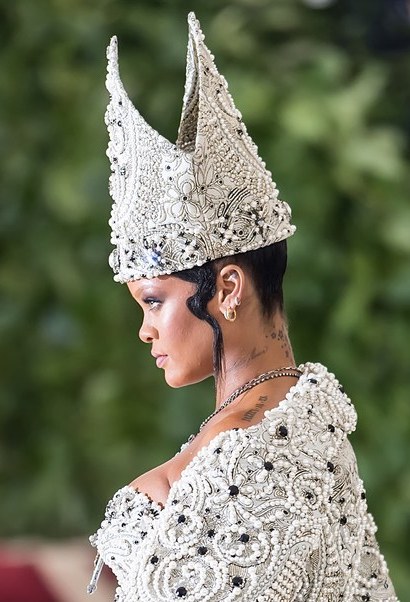
The decorated British milliner Stephen Jones has created headgear for everyone from Princess Diana to Rihanna, collaborated with some of fashion’s greatest houses and contributed to exhibitions around the world. This week he talks to Liam Freeman for Vogue about his glittering career. . .

Vogue, millinery, Stephen Jones,Fashion, Rihanna, Social trends ,

Rihanna sports Jones at the 2018 Met Ball (Getty)

“ It’s 40 years since Stephen Jones – one of the fashion industry’s most prolific and inventive milliners – entered the hat game. Does it feel like yesterday? “No it doesn’t,” the 62-year-old replies. “It definitely feels like I’ve had a career doing this. But the thrill and the terror of making a hat is just the same as when I started.” Why the terror? “You’re dealing with a piece of white paper, you’re working with a [insert: often world-famous] client, a high-profile designer, and you do learn how [to do it], but in a way you don’t because every hat is opening night… ” / Continued at Vogue online

➢ Previously at Shapers of the 80s: Britain’s top hatter, Stephen Jones OBE, celebrates 30 years of Jonesmanship

FRONT PAGE

1979 ➤ Spandau’s manager Steve Dagger tells of two offers to sign his band at their debut

rel=nofollow

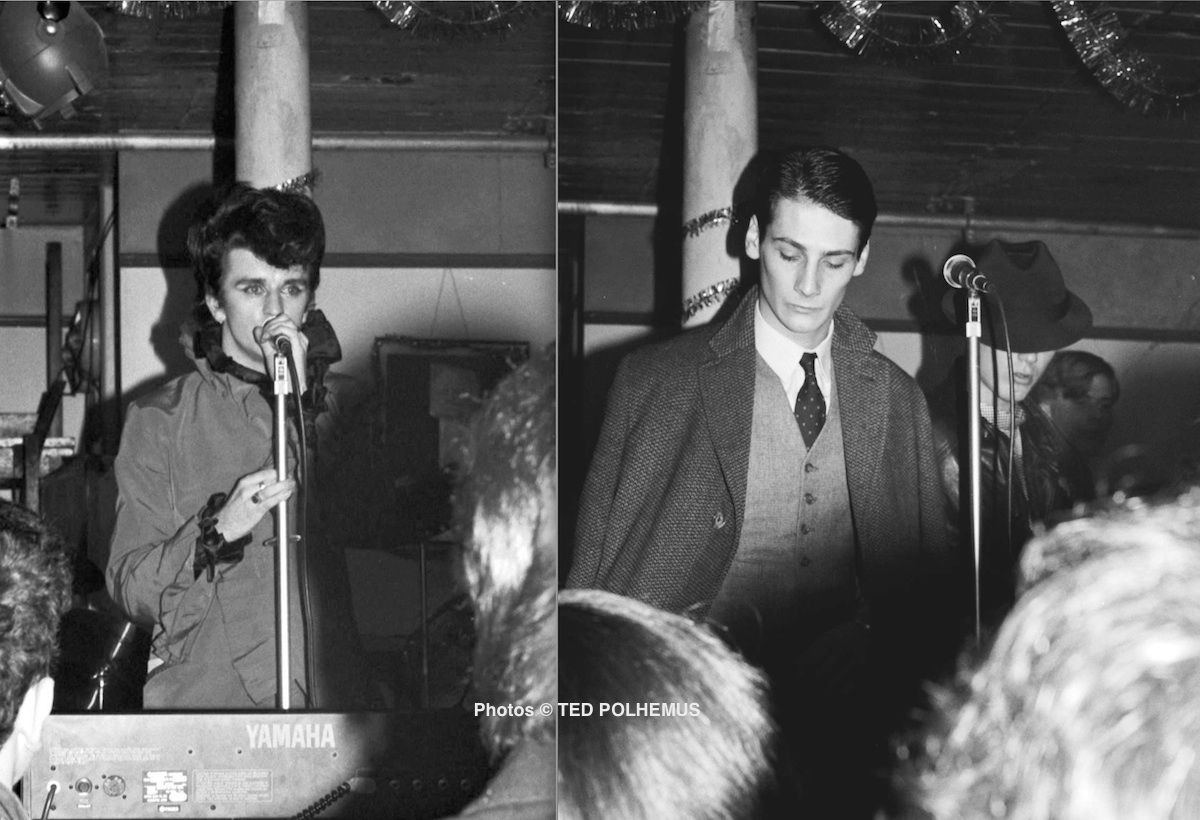
Spandau Ballet’s debut beneath festive bunting: left, Steve Strange in PX frills introduces the new band at the Blitz Christmas party in December 1979… Tony Hadley supercool in collar, tie, waistcoat and overcoat, Martin Kemp in jaunty trilby with Steve Norman beyond. Dagger’s blog seems unaware of these photos and after seeing them here at Shapersofthe80s, Gary Kemp recalls “being terrified while playing the little Yamaha CS-10, that we wouldn’t get away with it. Apart from many of the songs that made up our first album we also played Iggy Pop’s Fun Time and On Her Majesty’s Secret Service”

On the 40th anniversary of Spandau Ballet’s debut
performance at London’s Blitz club spearheading
the post-punk new wave, the band’s manager
Steve Dagger publishes his eye-witness account…

❏ On the 5th of December 1979, Spandau Ballet was born. After a year in metamorphosis and following a successful preview show two weeks before at Halligan’s rehearsal studios, when they were named by journalist and broadcaster to be, Robert Elms, Spandau Ballet emerged onto the stage and into the world at the Blitz on the occasion of Steve Strange and Rusty Egan’s Christmas party in 1980 [1979 surely – Ed].

Much has been written about the Blitz and its extraordinary position as a cultural funnel at the beginning of the 80s. But Spandau Ballet’s two performances there and subsequent meteoric rise to success did much to drive this tiny club and its spectacular cliental [clientele? – Ed] into the headlines and its ethos into popular culture and serve as the template to the 80s.

What happened that night?

No band had played before at a Steve Strange/Rusty Egan event, so the audience was not used to seeing live music in this context. Music was normally provided by Rusty Egan’s DJing, an extraordinary montage of epic electronica which seemed to give a tantalizing glimpse of a future we were all going to take part in.

How would “Spandau Ballet” be received? The preview show had gone incredibly well, so a handful of our friends and key faces on the scene had seen the band already, liked them and spread the word. But it was an impossibly cool crowd. Whether they were fashion students, artists, embryonic designers, wannabe writers, film directors or just London’s coolest of the cool night people, they all had an opinion of themselves and everything else.

The usual crowd was supplemented by a sprinkling of older cognoscenti, a Chelsea crowd who had become aware of the Blitz scene. The likes of Keith Wainwright, uber-cool hairdresser of Smile; artist Dougie Fields to name but a few, plus some musicians who had been drawn to the Blitz. Richard Burgess of Landscape (Spandau Ballet producer to be), Midge Ure of Ultravox and Billy Idol, Steve Severin of Siouxsie and the Banshees and Marco Pirroni of Adam & The Ants.

rel=nofollow

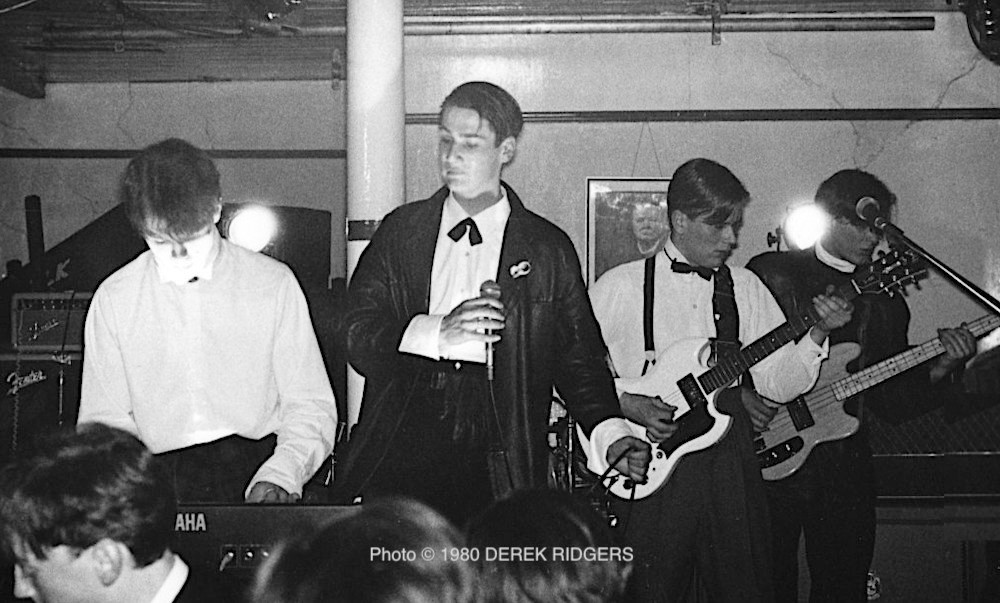
Spandau Ballet’s second Blitz date, January 1980, despite Dagger’s belief on his blog that this pic shows the band’s debut. Most are sporting bow ties – Gary Kemp on synth at left, Tony Hadley as vocalist, with Steve Norman and Martin Kemp on guitars held high in their anti-rock stance. Churchill gazes out from his photo on the rear wall

So the battle lines were drawn and into the valley [of] death… Actually, the band were much less nervous than they had been for the preview show and also excited about playing in “their” club. When Rusty’s music stopped and they got onto the tiny stage there was a degree of anticipation and curiosity. I think the band realised collectively it was now or never and they seized the moment and started to play confidently and with a bit of swagger. Some of the audience danced, some applauded but almost everyone watched.

Tony sang brilliantly. The set which included most of the songs on “Journeys to Glory” fitted the club. Spandau Ballet fitted the club. “To Cut a Long Story” sounded like a massive hit.

Halfway through the set I was feeling quietly confident and was standing by the mixing desk next to the sound engineer when I became aware of a man standing next to me. He spoke to me.
“Who is this band?”
“It’s Spandau Ballet,” I said.
The new name sounded f*cking great.
“Which record label are they signed to?”
“They aren’t signed.”
“Who is their manager.”
“I am,” I said proudly.
“Well I am Chris Blackwell and I own Island Records, and I would like to sign them.”

First gig as Spandau Ballet… 5-0 up. Another man approached me. He was Danny Goodwin from Peninsula Music Publishing. He wanted to sign them too.

Spandau Ballet, Blitz Club, New Romantics, Steve Strange, London, Heritage award,The band finished their set. I could not wait to go backstage into the tiny dressing room to talk to them. We had all worked very hard for this moment. They were about to become a very important band. The only band that could play in the Blitz. The most important club in the world at that time. Everyone in the Blitz that night was hugely complimentary and positive about them.

We owned the space, we had claimed it. We were about to go through the looking glass and our lives were never going to be the same. The next day, I spoke to Chris Blackwell on the phone and arranged to meet him in a pub. He was softly spoken, charming and very cool. He owned the coolest record label in the world – Bob Marley, Roxy Music, Traffic, Free, Spencer Davis – and he wanted to sign Spandau Ballet. Now. He even gave me a list of lawyers he recommended to act for the band.

It all felt a little strange but somehow like it was all supposed to happen like this. I felt unbelievably relaxed and comfortable, empowered, and the band very confident, entitled energised. Uncrowned Princes of pop culture all of a sudden. We turned him down. But that is another story.

© Steve Dagger
First published today at Spandau Ballet’s website

➢ Previously at Shapers of the 80s:
1980, Strange days, strange nights, strange people

Spandau Ballet,Evening Standard, Blitz Club, New Romantics, Steve Strange

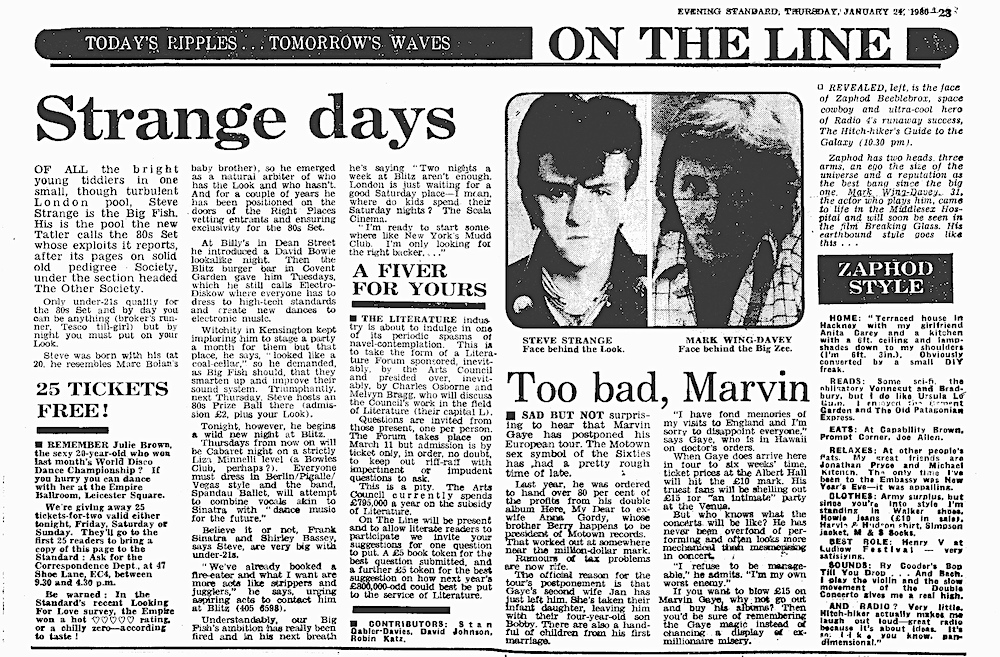
Steve Strange’s first interview with the Evening Standard, 24 Jan 1980, telling us of Spandau Ballet’s second performance that day

RARE VIDEO OF THE BLITZ A-BUZZ:


❏ You won’t find much authentic filmed footage inside the Blitz Club because so little exists and many posts claiming to show the Blitz at YouTube do not. The brief but glorious clip we see above captures the visual excess of its dancefloor in Spandau Ballet’s 2014 biopic Soul Boys of the Western World. The interiors come from Lyndall Hobbs’ short doc about London tribes called Steppin’ Out, shot in the summer of 1979. The first half-minute here comes from a TV report showing Blitz Kids gathering outside Sloane Square underground station to celebrate Steve Strange’s 21st birthday aboard a Circle Line train on 28 May 1980. We hear Martin Kemp voicing the sequence which zooms in on him at 23 seconds. The black-and-white stills collaged into the segment are Shapersofthe80s originals, and the closing seconds are from LWT’s 20th-Century Box.

Spandau Ballet, Blitz Club, New Romantics, Heritage award,

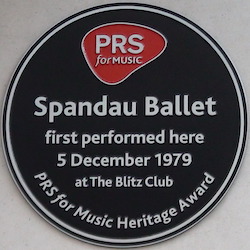
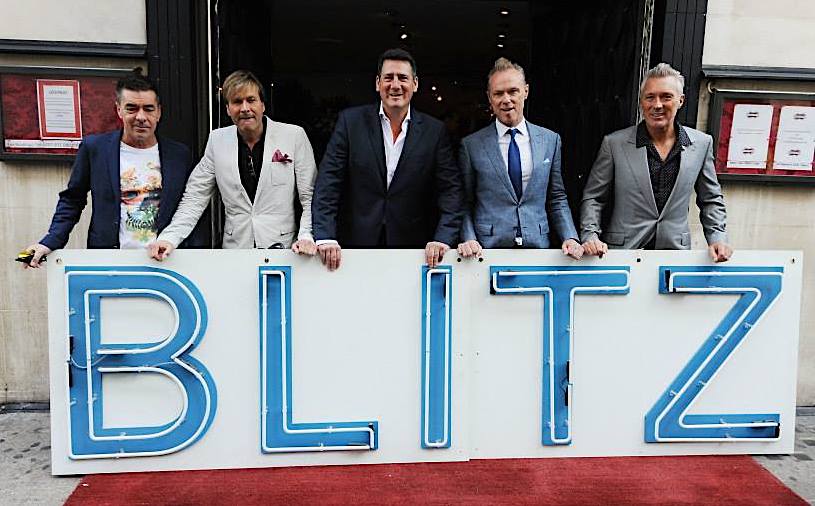
Heritage award from the Performing Rights Society: In September 2014 Spandau Ballet returned to the site of the Blitz Club to see a plaque installed remembering their debut. The club’s original neon sign was also present for the photoshoot

SPANDAU RECALL THE BLITZ IN 2014:

➢ Previously… 1980, The Invisible Hand of Shapersofthe80s
draws a selective timeline for the unprecedented
rise and rise of Spandau Ballet

FRONT PAGE

2019 ➤ Ever wondered how Rusty Egan does what he does?

Blitz Club, New Romantics,Blitz Kids, Kraftwerk, Steve Strange, Rusty Egan, Visage, London Palladium

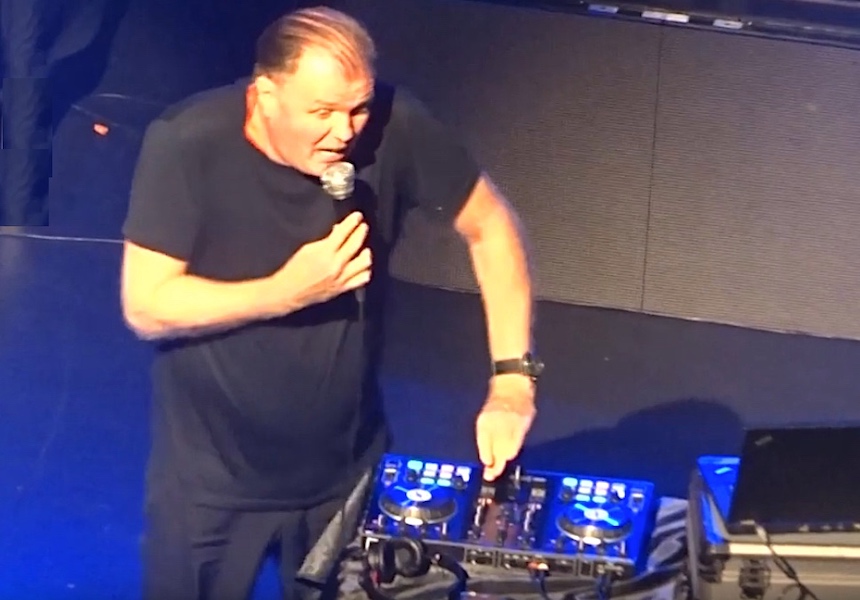
Egan onstage at the Palladium: video grab by Willy Billiams

◼ ONSTAGE AT THE LONDON PALLADIUM supporting Midge Ure’s tour last week, Blitz Club co-founder Rusty Egan gave a highly first-person history lesson about his early days while demonstrating his mixing talents at a deejay console.

Of 1979, he says: “I wasn’t really a deejay, I was a drummer, and I thought you can put one record on and you can put another record on at the same time and I thought I can do that, you don’t have to stop, I’d keep it going and I mixed the records together and started to enjoy it. Us suburban 19 to 25-year-olds with ‘no future’ in 1979 suddenly had some music that spoke to us. I was basically a fan and I am 40 years later still a fan of music.”

Here is half an hour of Egan’s stream of consciousness, doing what he does best, choosing good music and showing off. All spiced with his usual frankness, natch.

➢ Rusty Egan at Bandcamp

➢ History of the Blitz Kids and the birth of the New Romantics – a brisk history of who did what in 1979-80

FRONT PAGE

➤ A double act is born – Sulls & Elms, take a bow!

Chris Sullivan, Robert Elms, talk, Standard Hotel, London, history, nightlife, memories

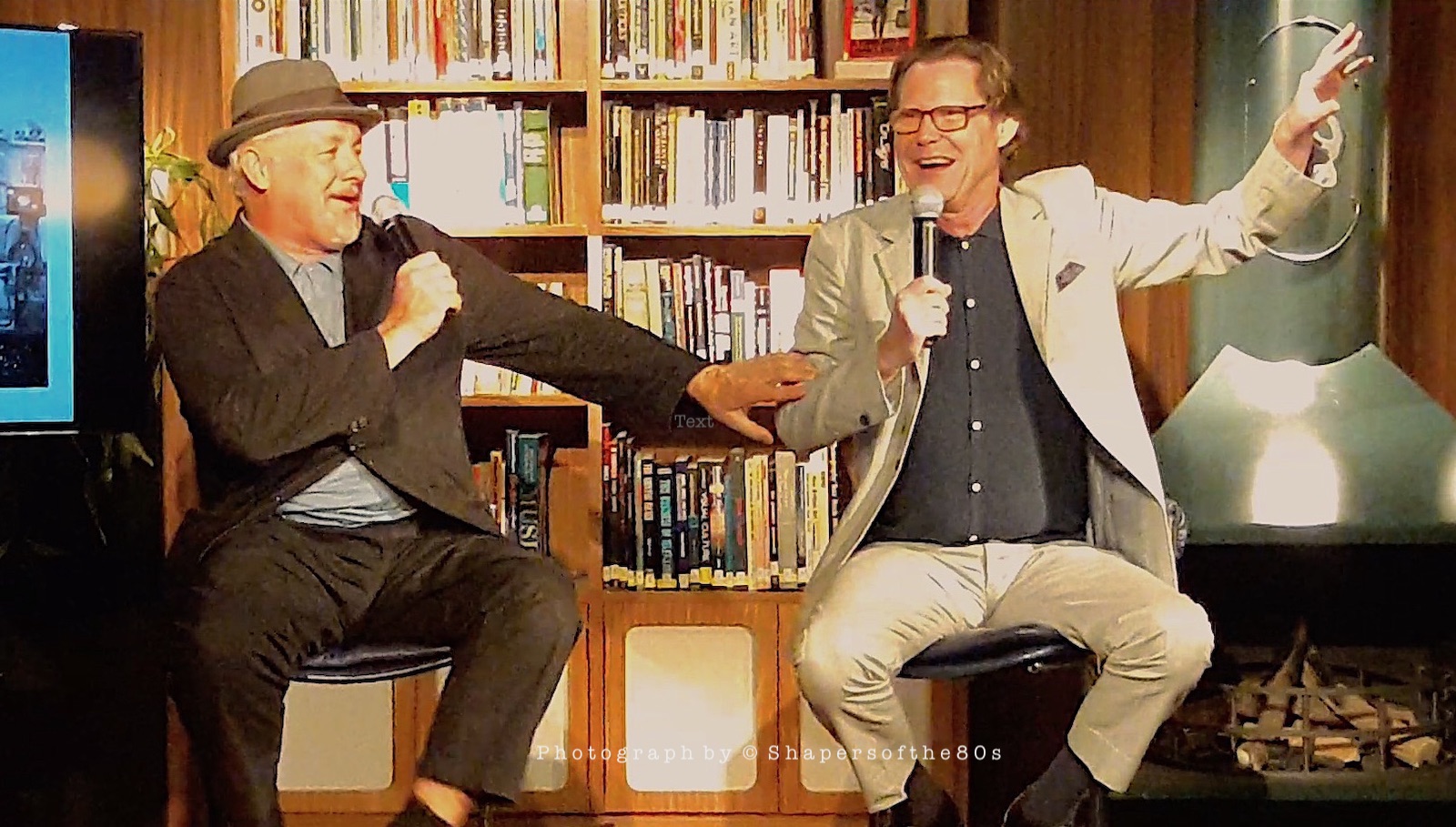
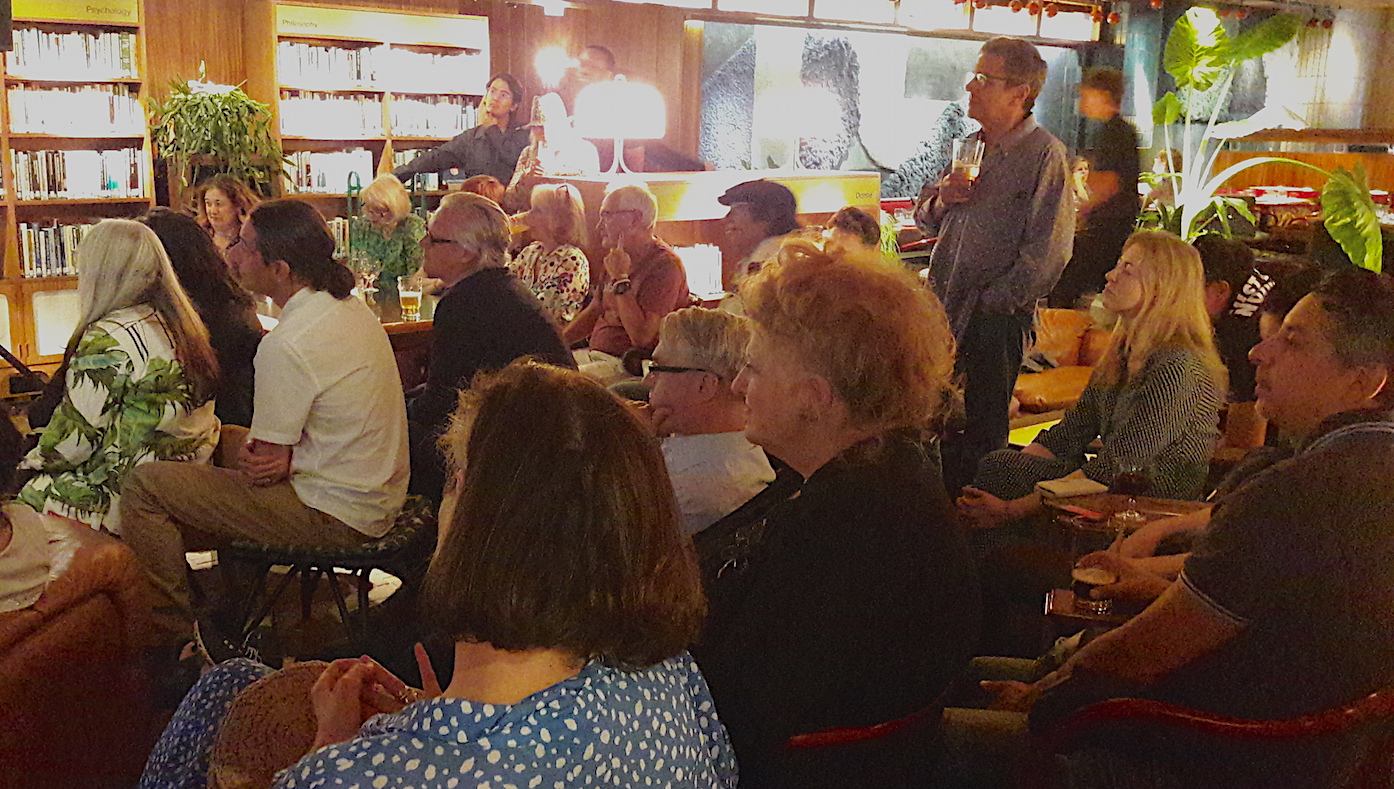
Ribald and passionate: Sullivan and Elms capping each other’s stories with gusto

◼ TWO LIFE-LONG PALS, both born raconteurs and clubland wags, sat on a pair of wonky stools this week in public and for an hour had an invited crowd roaring as helplessly as themselves as each capped the other’s stories. The subject was the ever-changing face of London and their faces were those of writer/artist Chris Sullivan (nominally a Welshman who revealed roots that led to a grandfather who’d been a bouncer at the capital’s Windmill Theatre), and BBC London broadcaster Robert Elms (a paid-up Cockney in all but the Bow Bells bit, whose mum was a clippie on the buses at age 15). Both are renowned for having shaped the style revolution of the Swinging Eighties. Now they had taken over a snug corner of the library lounge at the Standard Hotel in King’s Cross, a venue which prompted some ribald tales of their mis-spent teens.

Topics ranged from the East End to West End. There was much mention of food from the era before London became cuisine capital of the world: Elms remembered the early pizza parlours that served your American Hot with a whole baked potato and coleslaw all on one plate. “Which Italian ever had that?” he howled. From the audience, David Rosen recalled Blooms in Whitechapel as an essential kosher eaterie when its walls were blessed with photography by Bauhaus star Moholy-Nagy.

Chris Sullivan, Robert Elms, talk, Standard Hotel, London, history, nightlife, memories

A wrapt audience for Sullivan and Elms: familiar faces from their colourful circle of London friends

For half a century Soho had been the red-light district and as a result, Elms said, by the mid-70s civilised people had given up on the centre of town. Only a public outcry in 1973 protected the 19th-century neo-classical buildings of Covent Garden as the market prepared to relocate to Nine Elms. He added: “London was going to be knocked down after the market moved out and this generation of Londoners [the audience] saved it by our creativity.” It was for instance the place where the seminal New Romantics Blitz club-night opened in 1979, a year before the desolate central market reopened as a shopping centre.

The lack of affordable nightclubs for teenagers in 1979 also drove Bob and Chris to initiate their own pioneering ad hoc parties at the Mayhem print warehouse featuring snake-charmers and blue movies projected onto the ceiling as their “crash course for ravers”. These parties were free, Bob confessed, because they never dreamed they could charge people admission. Chris became so animated at this point he was falling off his stool with laughter.

Of Soho’s Wag club, the pivotal black music nightspot he ran for almost two decades, Sullivan reminded us: “London was a dodgy place. Coming into Soho was taking your life in your hands. The only reason we were able to take over the Wag was because it was a no-go area. About three months after it started, a prostitute got her throat cut outside the Pizza Express by her pimp. People forget it was dangerous. Back then you could be attacked in Soho for wearing the wrong clothes.” Consequently, Elms added: “That Blitz/Wag generation were pretty tough.”

Today the sentimental pair remain firm fans of “the greatest city on earth” but then, they both revel in making things happen wherever they go.

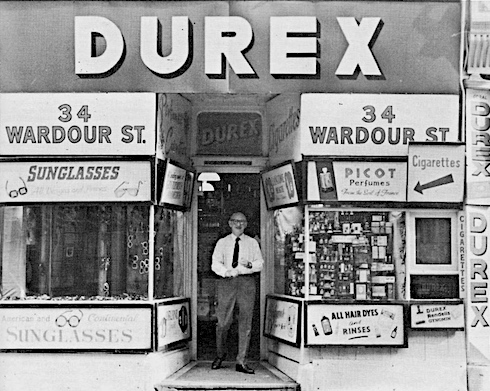
London, history, Durex, shop, Wardour Street,

Condoms by the gross: legendary Soho shop-front

❏ Throwaway revelation: The landmark 18-foot wide DUREX sign that graced a Wardour Street shopfront almost opposite the Wag, and had serviced the needs of timid schoolboys for generations, today belongs to Valentine Morby!

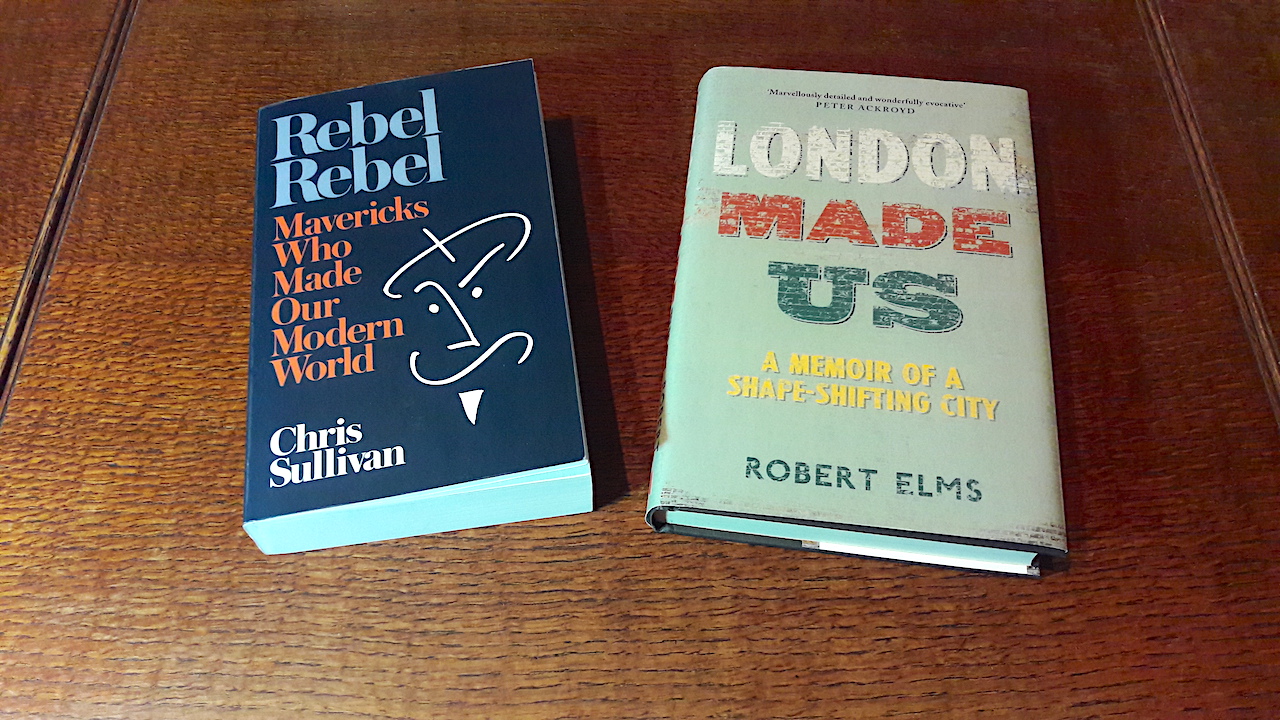
Chris Sullivan, Robert Elms, talk, Standard Hotel, London, history, nightlife, memories, books, publishing, rebels, Canongate, Unbound,

Their latest books 2019: Sullivan’s from Unbound, Elms’s from Canongate

➢ Chris Sullivan hopes this jaw-jaw event will continue with other old friends occupying the guest stool. Keep an eye on his social media

➢ Previously at Shapersofthe80s: Robert Elms the storyteller on why some stories are “too good to check”

FRONT PAGE