Category Archives: Tipping points

1982 ➤ Strange takes UK clubbing mainstream

Koko, Camden Theatre, Camden Palace, nightclubbing, music venue, fire, architecture, Music Machine,

Steve Strange in 1982: for ever being filmed at Camden Palace

40
YEARS
ON

❏ In the same season that Next opened its first shops in Britain to bring colour to the high street, Steve Strange and Rusty Egan went mainstream with their first mega-club venue for the growing generation of nightlifers who had discovered that dressing up could change your life. On this day in April 1982, Strange & Egan began fronting what became the Camden Palace a couple of nights a week, way north of London’s West End. This huge Edwardian theatre was most famous in the postwar years as BBC radio’s studio for recording the Goon Shows.

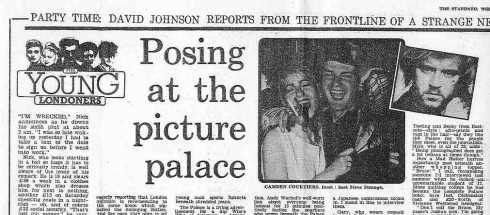
Within its first year and open five nights a week, the Palace came to offer easily the best night out in London because, as well as the usual delights, this poser’s paradise won a reputation for offering more. The world’s media and photographers learned this was the fashionable place to find the next big thing and on the crowded stairways here, posing truly began to pay its way…

During 1982 mega-clubs began appearing across the country, from the Hacienda in Manchester to Rock City in Nottingham and the Academy in Bournemouth. Click below to read my report in the Evening Standard nailing how streetwise New Romantic followers set about expressing their inner talents in ways that helped transform rampant unemployment into a jobs market in which the young began to thrive…

Camden Palace, nightclubbing, Steve Strange

First published in the Evening Standard, 11 May 1983

➢ Previously at Shapers of the 80s:
1983, A silly hat and a calculated look might be
the best career move you’ve ever made

London, nightlife

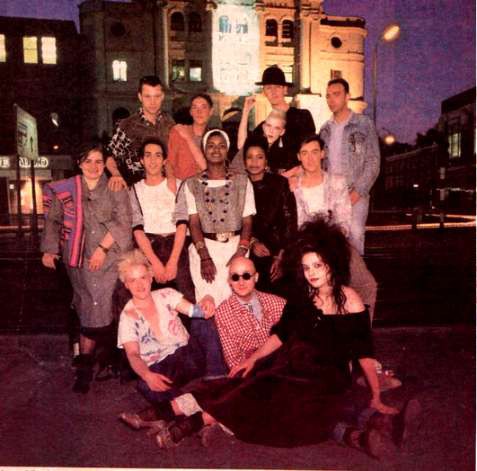
Palace forecourt 1983: in their circle of peers everyone in this picture is a household name. Picture © by David Montgomery

➢ Previously at Shapers of the 80s:
2020, Second time unlucky as fire ravages
the former Camden Palace nightspot

➢ 2022, On 29 April Koko, the renamed Camden Palace,
reopens as a state-of-the-art venue after massive refurbs
including a new roof garden. Arcade Fire plays live

Koko, nightclub, London, reopens, live venue

Koko in 2022: a roof-terrace bar as part of its £70m refurbishment

FRONT PAGE

➤ Fond farewells to Joe Allen who revolutionised London’s restaurant scene

Joe Allen, obituaries,Covent Garden, New York City, Orso, restaurants, tributes, theatreland,

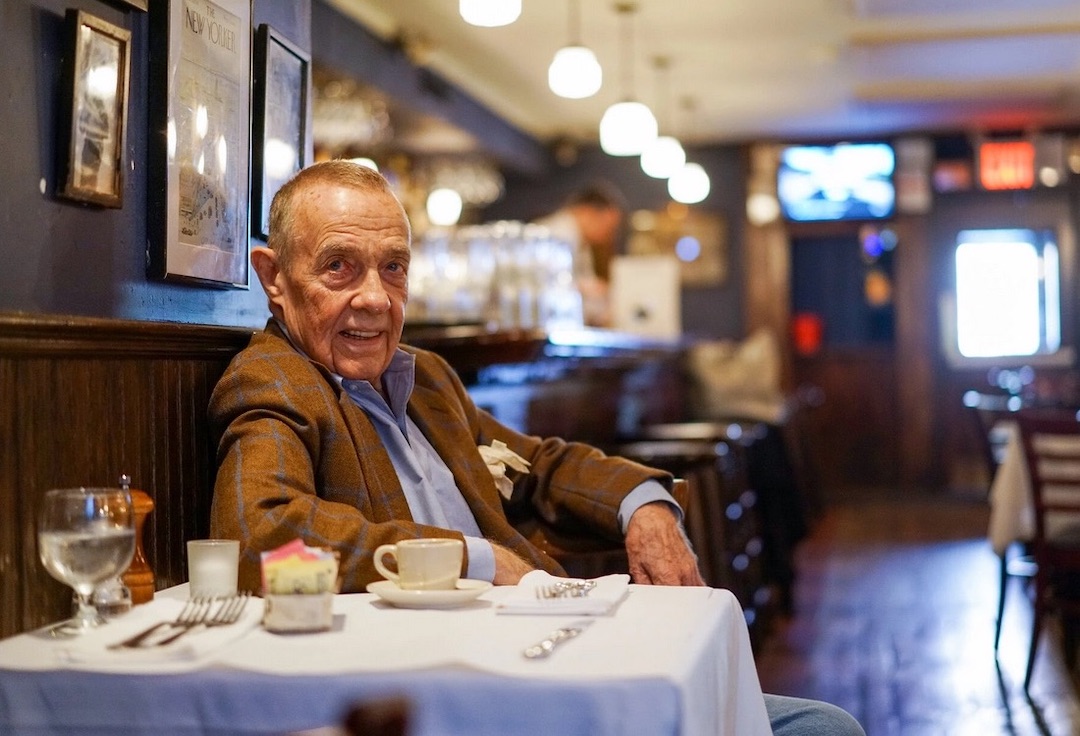
Joe Allen at his regular spot at Joe Allen NYC, opened in 1965, before his block was christened Restaurant Row. (Photo: Todd Heisler/The New York Times)

❚ JOE ALLEN, THE RESTAURATEUR who splashed bazzazz across theatreland, has died aged 87. His photograph confirms the memory of him being a double for Humphrey Bogart, who as Rick also sat alone at his own table in the film Casablanca – though Lauren Bacall always denied any similarity! He pioneered his empire in 1965 with two outlets in New York City on a strip of West 46th Street that would become known as Restaurant Row. Then in 1972 he took the Joe Allen brand to Paris and in 1977 to London, opening both Joe Allen’s in a former orchid warehouse, as well as Orso’s Italian brasserie, during the revival of Covent Garden which had idled since 1974 when the vegetable market moved out.

Immediately lunchtimes became social hubs for publishers from Bloomsbury and newspaper hacks from Fleet Street, both a short walk away. By night both places were packed with stars coming on from their West End shows and I only ever managed to sit on star table No 1 once which was in 1984 when I met Hollywood’s legendary Dorian Gray, the actor Hurd Hatfield, visiting from his home in Ireland, who told a very bawdy joke (sorry, unrepeatable)! On Saturday nights Andrew Neil, editor of The Sunday Times from 1983 to 1994, held court round a large table at Orso with his top team awaiting a courier bringing first-edition proofs for the next day’s paper.

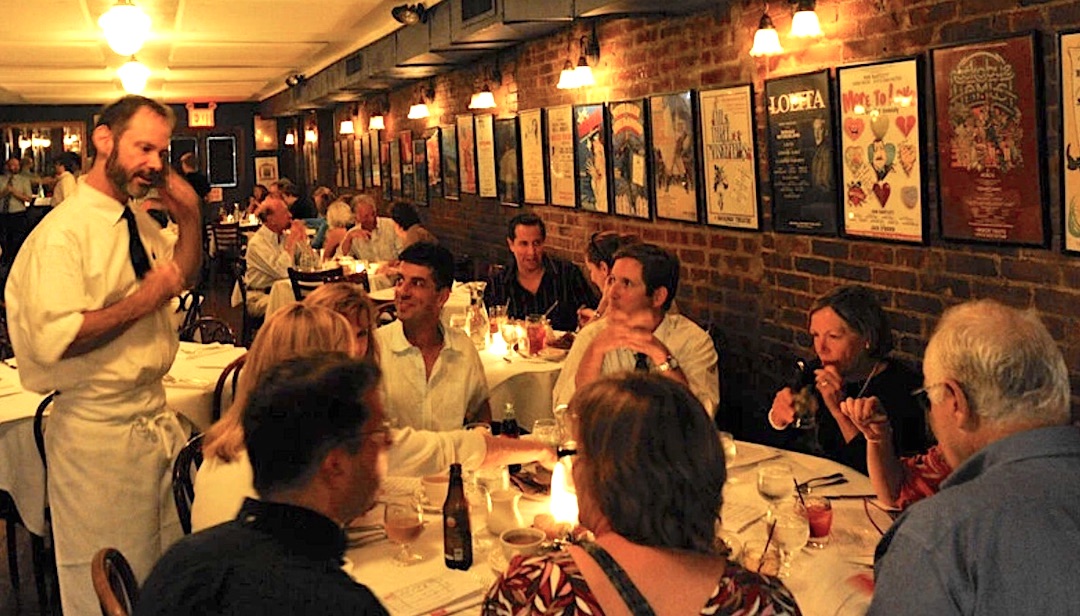
Joe Allen’s personal style was laconic, his restaurants unpretentious and clublike, from red brick walls to an inexpensive hamburger-led menu, and waiting staff who were invariably resting actors. Most famously the walls were lined with theatre posters – of productions that had flopped. Notable patrons have included A-listers such as Al Pacino, Stephen Sondheim, Elaine Stritch, Elizabeth Taylor, Sean Connery and Sir Ian McKellen, while the restaurants maintained a strict no-photograph policy to protect the privacy of its high-profile guests.

Though Joe himself was very visible during the first year in London, often sitting at the table beside the kitchen, in fact the day-to-day operation was run by the baker Richard Polo as a partner, who died in 2019.

❏ Joseph Campbell Allen, born 20 Feb 1933, died 7 Feb 2021.

Joe Allen, Covent Garden, New York City, Orso, restaurants, tributes, theatreland,

Informality the keynote: Joe Allen’s restaurant on West 46th Street. (Photo: Robert Stolarik/The New York Times)


➢ Less about the food than about the atmosphere – Obituary by Joyce Purnick in the NY Times: “West 46th Street’s proximity to New York’s theater district made it viable, and Mr Allen, concluding that actors, directors, writers and theater patrons would always want to eat, created a relaxed pub aimed at attracting the theater crowd. There was nothing quite like the restaurant in the mid-1960s, and it took off.”

➢ Remembering Joe Allen, who fed Broadway in untheatrical style – by Peter Khoury in the NY Times: “Even before Joe opened Joe Allen, he was a partner in an Upper East Side restaurant called Allen’s. If you watch the 1965 Jack Lemmon comedy How to Murder Your Wife, you’ll see a few shots of a handsome, dark-haired bartender there. That’s Joe.”

➢ A magnet for actors, journalists and royalty – Obituary in The Times of London: “Allen kept a flat in Chelsea, visiting London several times a year. Business meetings occupied his mornings. At night he perched at the end of the bar quietly draining a case of his favourite American imported beers and observing more than conversing with a studied determination not to “inflict myself on the customers”. If he sat at a table it was always the worst one in the house.”

Joe Allen, Covent Garden, New York City, Orso, restaurants, theatreland,

Poster wall of flop shows at Joe Allen’s: at centre, “Got Tu Go Disco” a short-lived musical from 1979. (Photo: Sara Krulwich)

FRONT PAGE

2020 ➤ Yes, Midge Ure has Fleetwood Mac to thank for his landmark hit Vienna

40
YEARS
ON

❚ ON THIS DAY in 1980 Ultravox released one of the three most significant albums of the year that exemplified Britain’s new wave of synthesised electronic music – the others coming from Orchestral Manoeuvres In The Dark (in February) and Japan (in October). None of them acknowledged any association with the New Romantics movement. Ultravox’s 12-track album Vienna made an immediate impact, though its title track was only its third to be released, hitting No 2 in the charts in January 1981, later winning Single of the Year at the Brit Awards and an age later voted “the UK’s favourite No2 of all time” in a BBC poll.

It was produced by the German Conny Plank with an evocatively romantic landmark video directed by Russell Mulcahy who was creating a stunning visual vocabulary for the then novel music video. Midge Ure can take full credit as lead singer and guitarist for breathing a subtle blend of Roxy Music’s style and krautrock clarity into Ultravox and building them into a credible vanguard for electronica. Even as the word punk was given the heave-ho in favour of the term “new wave”, Ure was probably the first active player of a synth among any of his clubbing pals, having bought his first, the polyphonic Yamaha CS-50, in the summer of ’78.

As one of the most innovative musicians of the new decade, having had fingers in more pop pies than most, Ure is well qualified to stake his claim to have shaped the music of the Blitz Kids (among whom he was very much an honorary member), and here he describes the inspiration for Vienna, in an extract from his eloquent and candid 2004 autobiography If I Was (Virgin Books):

The first time I plugged in and made a noise with Ultravox was in April 1979 at a rehearsal room in the Elephant and Castle. Right from the first minute I knew I had come home. This noise was what I had been searching for, not only could these people make that noise, but they also could teach me how to make it. [These people being Chris Cross, Billy Currie, Warren Cann.]

What we were doing was radical and new: synthesisers, drum machines and electric guitar mixed together, synth bass with regular drums playing on top of it, the electronic and the organic. It had never been done before. Our sound was massive, this weird crossover between Kraftwerk and the guitars, bass and drums that belonged to every rock band in the world…

I might have been a one-time teeny-bop guitarist but once I was behind the technology, the music that made me famous was the darkest, most serious stuff I’d ever done. Those early days in Ultravox were the best time of my life. The result was a complete crossover, maybe that’s why it worked. The music came from all of us: everyone contributed and we split all the songwriting credits four ways. The classic example of all of us working together was Vienna.

Midge Ure, Ultravox, pop music, Swinging 80s,

The day job: in 1979 Midge Ure (moustachioed) resurrected the name of Ultravox along with Billy Currie, Chris Cross and Warren Cann. © Getty

One night I was sitting having a conversation with my old manager, Gerry Hempstead, who had co-managed the Rich Kids, when his wife Brenda said to me: ‘Midge, what you need to write is a song like that Vienna.’ I looked blank and she went, ‘You know, the Fleetwood Mac song.’ I looked blanker. ‘No, it wasn’t Vienna,’ said Gerry, ‘it was Rhiannon.’ That was the night I went home with Vienna lodged in my brain.

The next morning it was still there. I walked into the kitchen in my little flat and said to Billy, who was staying over, ‘I’ve got a line running around in my head I can’t get rid of, “this means nothing to me, this means nothing to me, Vienna”.’ We built the song from that one lyric. Every component element came from all four of us. It wouldn’t have been Vienna without Warren’s heartbeat drum sound, and it wouldn’t have been Vienna without the bass synth notes and Billy’s eerie viola… / Continued in Chapter 10 of If I Was

➢ Buy Midge Ure’s If I Was: The Autobiography

➢ Previously at Shapers of the 80s:
1978, Midge stakes his claim as the weathervane of synth-pop who helped shape the British New Wave

➢ Previously at Shapers of the 80s:
110+ acts who set the style for the new music of the 1980s

FRONT PAGE

1979 ➤ Ethereal Bowie sets the bar for one of his inadvertent hits

rel="nofollow"

Click picture to view an immaculate video of Bowie singing The Man Who

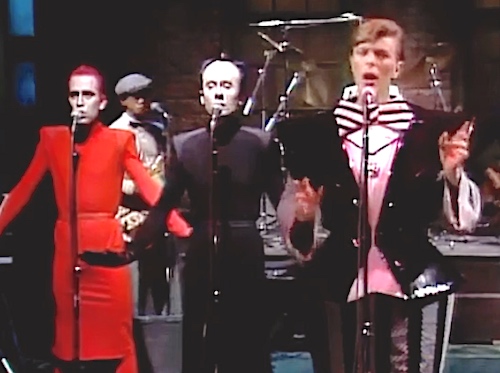
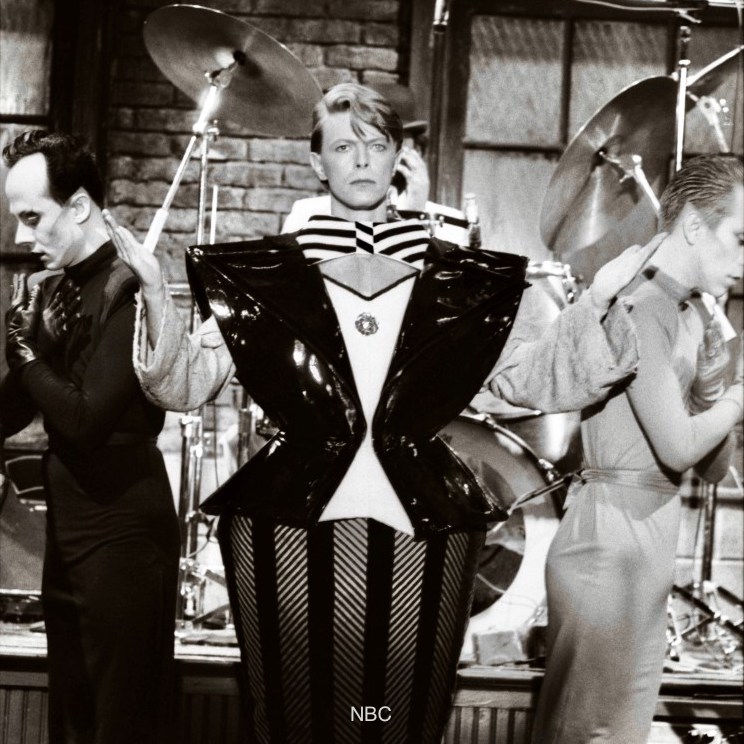
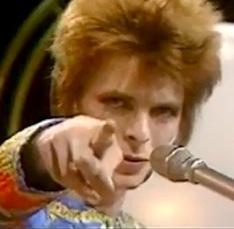
HERE’S A RARE CHANCE TO VIEW one of the most inspired renderings of The Man Who Sold the World: David Bowie during a performance on Saturday Night Live on 15 December 1979. As backing singers we see the bizarre German punk Klaus Nomi at centre and wearing red at left is American performance artist, Joey Arias, who became a regular act at Club 57 in New York’s East Village. Anyone who visited the 2013–2015 touring exhibition, Bowie Is, from London’s V&A museum, will have seen Bowie’s huge tubular costume at first hand…

Luckily, this 8-minute clip also includes brilliant versions of TVC 15 with Bowie in a skirt and heels, plus Boys Keep Swinging where he sports a nude puppet costume with bizarre extremities. Nomi introduces us to his poodle who appears to have swallowed a TV set in this gifted trio of performances.

The Man Who Sold the World – title track of Bowie’s third studio album – was written in 1970 but released on the B-side of a single hence missed the charts in its own right. It did reach No 3 after Lulu covered the track in 1974 and other covers followed, including one by Midge Ure. Critically the song is widely regarded as one of Bowie’s essential best and only in his last couple of decades did he start rendering it in live performances in utterly different and often haunting ways. Nevertheless, the SNL video from 1979 is powered by a cascade of supremely confident operatic flourishes, “Ohhhh-oh-ohhhh, ohhhhhhh-oh!”

➢ “His mind was so open” – Joey Arias on meeting
Bowie and working with him

rel=nofollow

SNL December 1979: In his outsized costume, Bowie sings The Man Who Sold The World, flanked by Klaus Nomi and Joey Arias


rel=nofollow

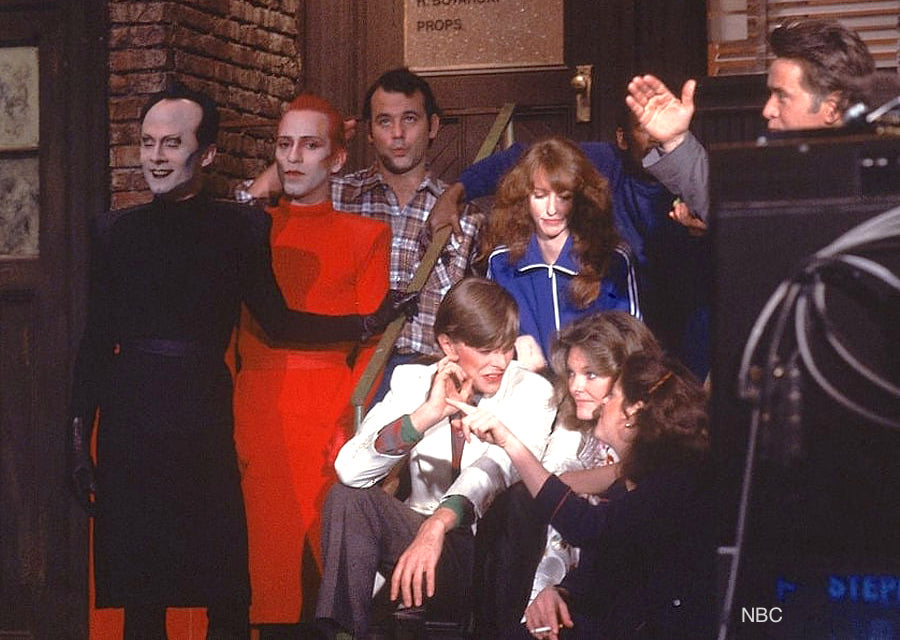
Backstage at that SNL, December 1979, from left: Klaus Nomi, Joey Arias, Bill Murray, Bowie, Laraine Newman, Jane Curtain, Gilda Radner, Martin Sheen (hosting that night)

FRONT PAGE

2020 ➤ Steve Dagger recalls Spandau Ballet’s fifth gig and why it detonated their lift-off

rel="nofollow"

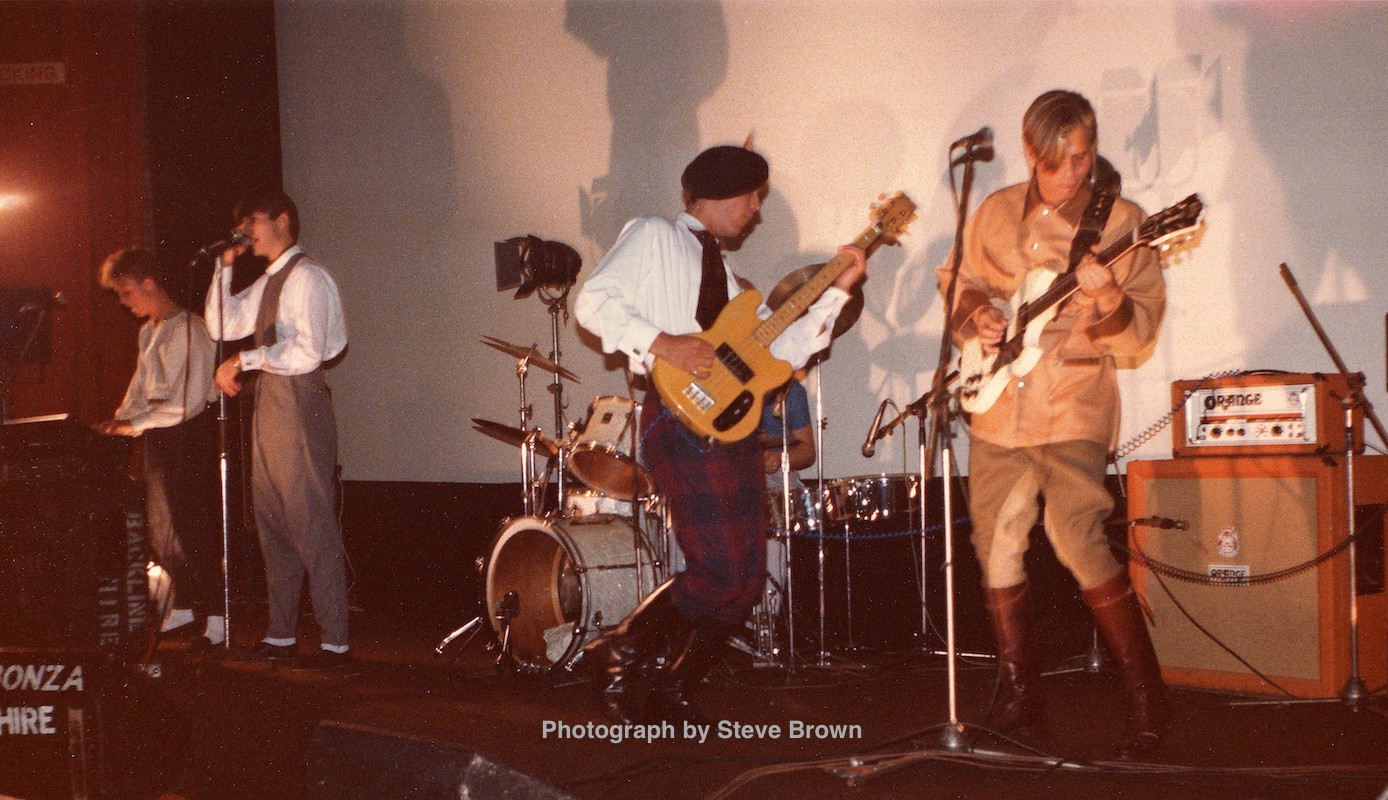
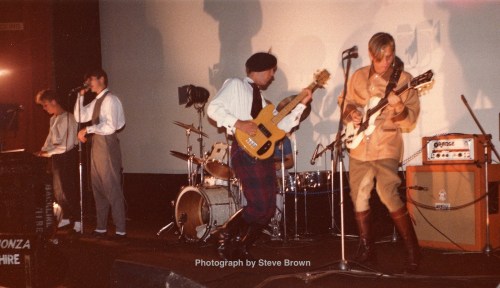
A picture from the archive: sharply styled Spandau Ballet in 1980 playing the dramatically lit Scala cinema concert that eventually brought the record companies scrambling to sign them. (Photograph © by Steve Brown, processed by Shapersofhe80s)

40
YEARS
ON

To celebrate the 40th anniversary of Spandau Ballet’s performance at the trendy Scala cinema on 13 May 1980, their manager Steve Dagger recalls how the event propelled his unsigned band towards the charts and to stardom. Prompted by the waves the band had been making, this – only their fifth live concert – was recorded by London Weekend Television and provided lift-off for the band’s ambitions.

Their first shows were always mounted in secrecy and in novel venues such as the Blitz Club in Covent Garden, which was rapidly becoming the focus for the hippest young people in London who had yet to become known as the New Romantics. The story of those sensational early days is extracted here with Steve’s permission from the full version on the band’s website.
Spandau Ballet, 20th Century Box, Scala cinema, pop music

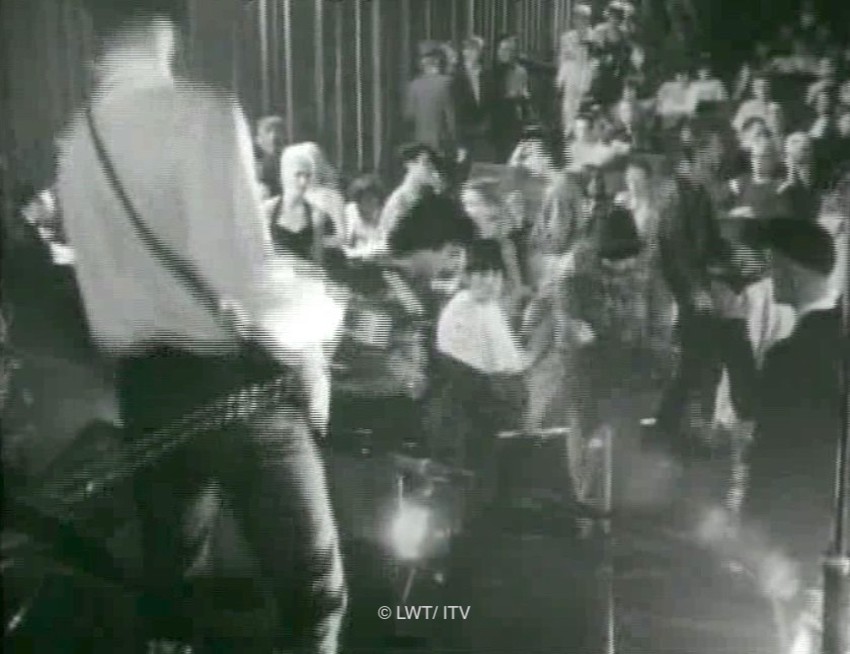
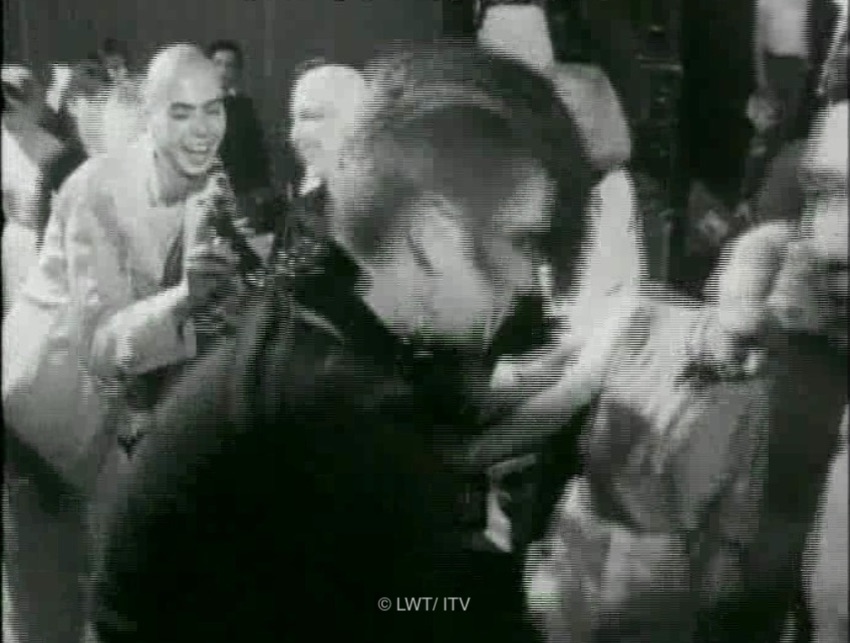
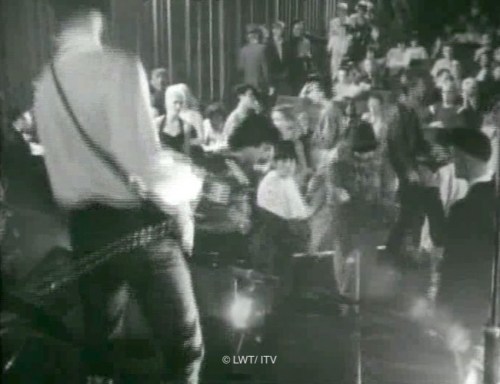
Spandau at the Scala cinema, May 1980: bass-player Martin Kemp surveys the wild dancing by the audience of Blitz Kids captured for TV by 20th Century Box

Steve Dagger writes:

❏ 40 YEARS AGO, on a warm London May evening, at the Scala Cinema, which was then situated on the rather nondescript Tottenham Street, in the heart of what is now Fitzrovia, Spandau Ballet and its previously underground sub-sect of youth culture emerged blinking into the daylight.
Steve Dagger, Spandau Ballet, live concert, pop music

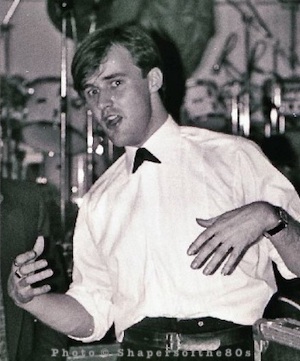
Spandau manager Steve Dagger on the road with the band in 1980

Before the show, the crowd, previously not seen en-masse outside of a nightclub, spilled over the pavement clutching drinks from the nearby pub and eying each other up as they arrived, each dressed in their own highly personalised version of the heightened street fashion/plundering of the history of style/Fritz Lang vision of the future that was going to be dubbed “New Romantic” or “Blitz Kids”. All the stylistic cards were being thrown up in the air in a post-modern reset to prepare for a new decade. The event had been advertised by our version of social media, word of mouth, as were all our early shows.

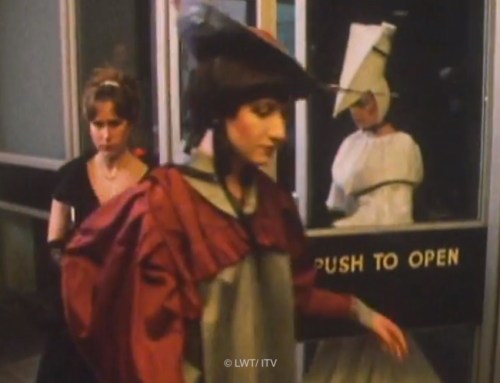
It had the atmosphere of a bizarre red carpet event before a film premiere. There was a TV crew filming and interviewing the arrivals. There were photographers recording the scene. Spandau Ballet were to play live and the performance and the audience were being filmed by LWT for a Janet Street-Porter documentary as part of a TV series called 20th Century Box. The audience was joined by various journalists, photographers and media people, including Radio 1 DJ and TV presenter Peter Powell, numerous record company execs including impresario Bryan Morrison. It was a potent mix which we could have only dreamed of six months earlier before our Spandau Ballet rebirth and was entirely consistent with our title of “The Next Big Thing” and the hottest unsigned band in the country and the new decade.

Since their first performance as Spandau Ballet at the Blitz five months earlier, the band’s career trajectory had been such that it seemed to have been fired out of some powerful pop culture cannon. A lot had happened! We had exploded from a standing start like Usain Bolt.
rel="nofollow"

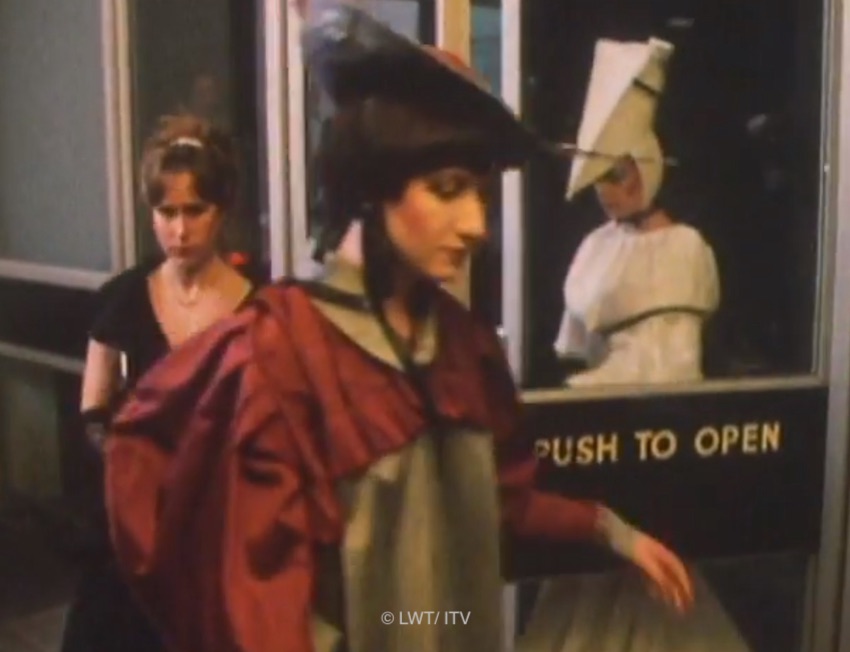
Spandau at the Scala: Blitz Kids arrive in high style to watch the band perform in an auditorium for the first time, captured by 20th Century Box

At that first Blitz show in December 1979, Chris Blackwell, legendary founder and owner of Island Records – the world’s coolest record company – had approached me offering to sign the band “on the spot”. It was a hugely seductive and exciting opportunity but there was a deal to be done.

Accompanied by our newly appointed lawyer, Brian Carr, the band and I went to meet Chris at the Island HQ in London, a large relaxed converted villa on St Peter’s Square in Hammersmith. Posters and gold and platinum discs of Bob Marley, Roxy Music, Stevie Winwood and Grace Jones greeted us. Chris showed us around. He was charming and smart. It all seemed so right. For a while. He introduced us to Nick Stewart, an A&R man who was to be our point person. He had the demeanour of an army officer. I think he was a friend of Chris’s from public school. He listened to our ideas about the band – it seemed very hard to explain the band’s ethos to him. Chris was not a UK resident at the time and had a limited time in the country each year. We would be dealing with Nick day-to-day. Not good. Then they showed us the terms of the deal they were proposing.

We retired for lunch at a local Chinese restaurant with Brian to consider it. I suppose it was an OK deal for a new band, but both Brian and I thought we could do better. We went back to Island HQ after lunch and after a short discussion about the terms, on a pre-arranged cue from Brian, we turned down the deal and ended the meeting abruptly and walked out. It was spectacular! Their jaws dropped. It showed huge confidence on our part. It was a bold effective tactic. It did mean however that we were very shortly in Hammersmith Broadway, on foot, without a record contract.

Although there was a vigorous discussion about the wisdom of this move with the band and myself later that evening, so powerful was our newly acquired self-confidence everyone soon settled down. Shortly afterward Chis left town for Paris or Jamaica and although we kept in contact and he maintained interest, we didn’t sign to them. We were soon to be distracted by other suitors and opportunities.
Spandau Ballet, 20th Century Box, Scala cinema, pop music

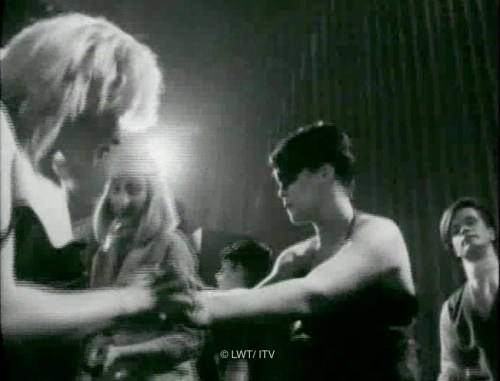
Spandau at the Scala: the moment the band began playing, the audience filled the aisles with their dancing, captured by 20th Century Box

Meanwhile, our progress continued apace. Days after the visit to Island the band played their second show as Spandau Ballet at Mayhem Studios Battersea at a multi-media event party organised by a number of our friends and now collaborators from the Blitz. It was in effect the first Warehouse Party Brand that would morph eventually into the ubiquitous rave format. There were art-house and porn films projected onto the ceiling, DJs, alcohol, drugs, Spandau Ballet and hundreds and hundreds of people crammed into a relatively small space. The combined word of mouth powers of Chris Sullivan, Graham Ball, Robert Elms and Graham Smith reached every hip club person in London. Blitz Kids, Soul Boys and Rockabillies. All soon to merge together into “Club Culture”. It was rammed.

Hundreds couldn’t get in. It was bloody chaos. The band performed and were well received, but most people that were there couldn’t see them, it was so crowded. But that wasn’t the point. The value to us was that we were for the second time in as many weeks performing at the epicentre of hipness in the new London. Even if you hadn’t seen the band or even couldn’t get in, everyone knew that Spandau Ballet had played there. It was most certainly an event.

On New Year’s Eve as the 80s started, I remember feeling utterly satisfied with the band’s progress in the last month. We were right in the sweet spot of being the coolest band in the hippest scene in London. The decade seemed to be opening up before us. Great, but what next? . . . / Continued at Spandauballet.com
Spandau Ballet, 20th Century Box, Scala cinema, pop music

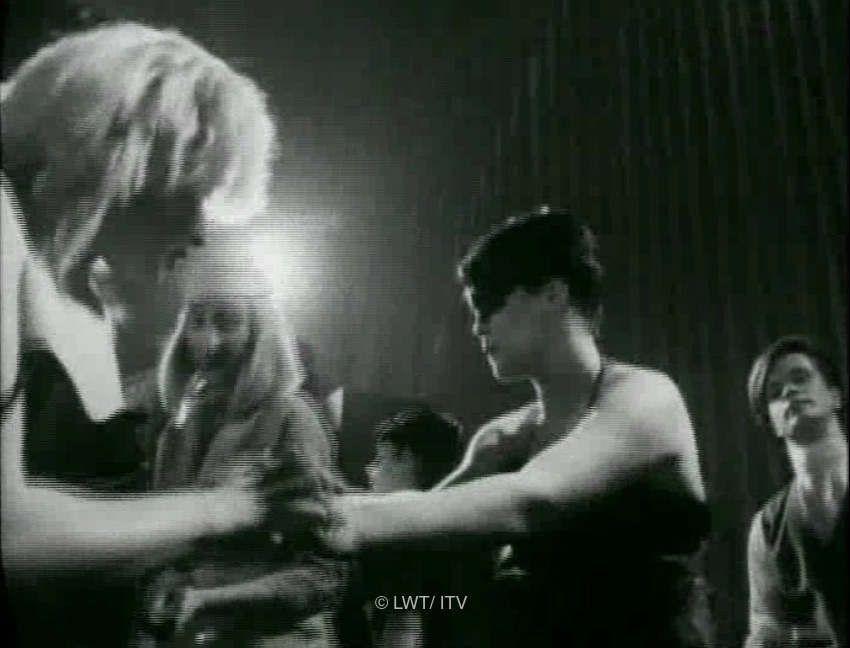
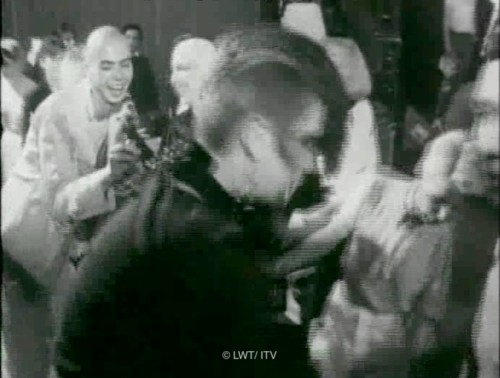
Spandau at the Scala: their audience of dancing Blitz Kids confirmed their status as the hottest unsigned band in the land, captured by 20th Century Box

ELSEWHERE AT SHAPERS OF THE 80S:

➢ A selective timeline for the unprecedented rise and rise
of Spandau Ballet

➢ Spooky or what? The amazing revelation that two bands went by the name of Spandau Ballet

➢ Private worlds of the new young setting the town ablaze

➢ Just don’t call us New Romantics, say the stars of the Blitz

FRONT PAGE