Category Archives: Clubbing

2022 ➤ Finally, a blue heritage plaque to honour the Rum Runner

heritage plaque, Richard Whittingham, DJDick, Birmingham, nightlife, Swinging 80s, Rum Runner,

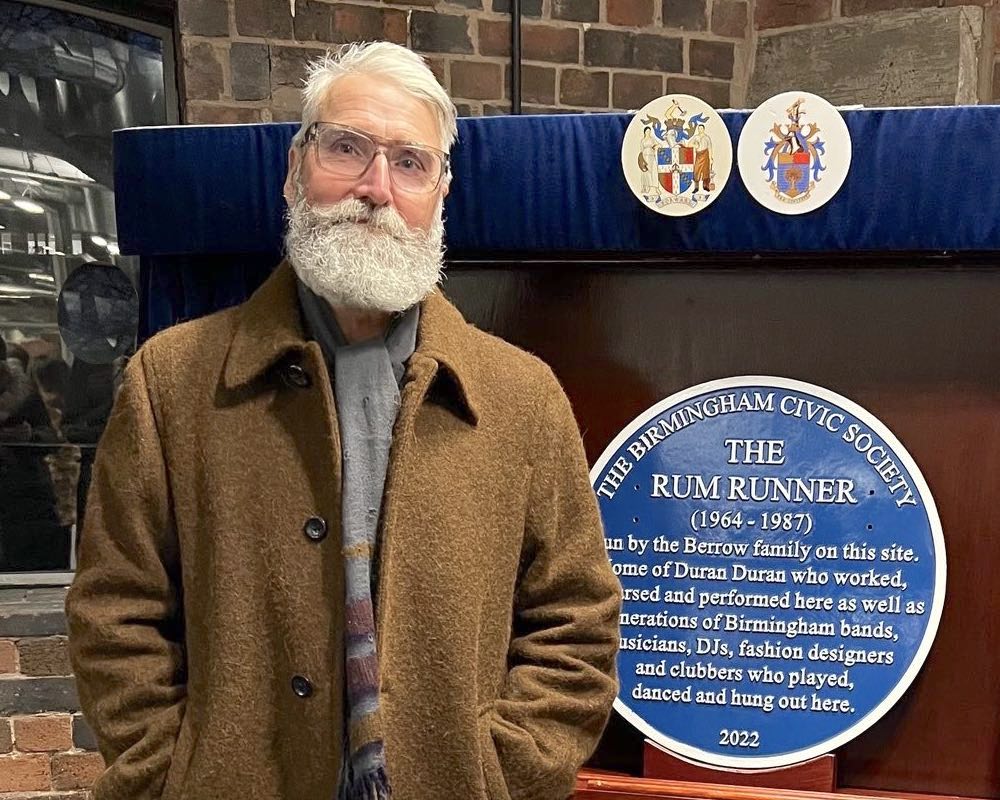
At the unveiling: Richard Whittingham beside the new plaque. (Photo by Adam Regan)

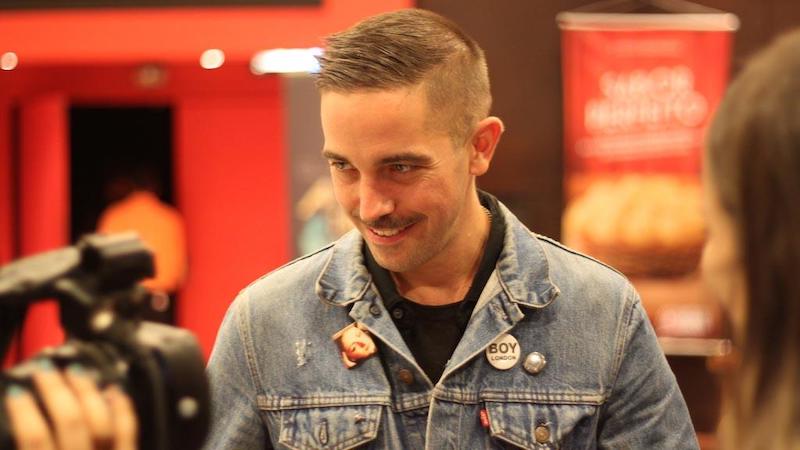
❚ NOT ONLY WAS A PLAQUE unveiled this month before the Lord Mayor of Birmingham to underline the importance of its key nightclub during the Swinging 80s, namely the Rum Runner. . . But the star of the occasion was clearly its deejay, judging from the immediate stream of affection from fans and friends that is appearing online alongside his bearded photo at the event, now aged 62. They said he’d flown in from Lapland especially.

At the age of 19 Richard Whittingham – aka, DJDick – was one of Britain’s most savvy club deejays, reading the tastes of Britain’s second largest city and trying to broaden them to embrace the new dance music like Duran Duran’s which was rapidly filling the post-punk vacuum. For my Nightlife column in the magazine New Sounds New Styles, Dick told me back then: “I’ve been trying to break the funk here for ages but nobody’s into it. The customers aren’t into it and the owners aren’t into anyone taking over their own night. I’m just buying the funk for the day when I have more freedom.”

Click any pic to enlarge:

He found all the glamorous dressing up led by Birmingham’s Kahn & Bell boutique crazily entertaining,  but he admitted what so many clubbers in the Eighties also did about not feeling safe on the streets. When the BBC’s One Show asked in 2011 what he would have worn at the Rum Runner, he replied: “Zoot suits, the odd frilly shirt, winklepickers of course – I had to hide them, to take them out of the house in a bag, and then put them on, because my mother thought they were trouble shoes.” [See interview in video clip below.] Today Dick describes himself as a carpenter and joiner, though he still deejays for occasional events.

Also at the plaque’s preview for the Lord Mayor of Birmingham, Councillor Maureen Cornish, and members of the sponsoring charity the Birmingham Civic Society, we see many local characters pictured at Facebook’s website The Rum Runner – Birmingham, which curiously fails to identify anybody by name! We’ve already guessed that the bearded one is DJDick. Another in the green coat caught wielding a mic and parting the curtains has to be Paul Berrow, one of the brothers who owned the Rum Runner, formerly of Wandering Star Pictures and Tritec Music in the Eighties.

The new plaque is attached to a modern building called Rum Runner Works, set back off Broad Street where the entrance once stood, today located between the  Solomon Cutler pub and the Walkabout sports bar. In the Eighties the council planned to turn Birmingham into a major conference city with developments including the ICC and Symphony Hall. The Rum Runner was demolished in 1987 to make way for the Hyatt Regency Hotel, which opened in summer 1990.

Click any pic to enlarge:

➢ Visit The Rum Runner – Birmingham website at Facebook

Photos displayed here were taken by Neil Drakeford, Debra Warren and Adam Regan who said: “Lovely to see this legendary Brummie club getting a much-deserved blue plaque. The club launched so many careers but none more relevant to me than this great man” [DJdick].

LISTEN TO DJDICK LIVE AT THE RUM RUNNER:

DJDick, 1983, RumRunner, live music,
At Dick Whittingham’s website we can listen to two recordings of him deejaying at the Rum Runner in 1983. These were donated on his 40-something birthday by Mark “Mack” McDonald, an old friend from way back.

VIEW THE BBC ONE SHOW FROM 2011:

➢ Previously at Shapersofthe80s:
1981, Birth of Duran’s Planet Earth
FRONT PAGE

2022 ➤ Spandau seek your help to create a major new showcase

Spandau, New Romantics, pop music, New York City, 1981

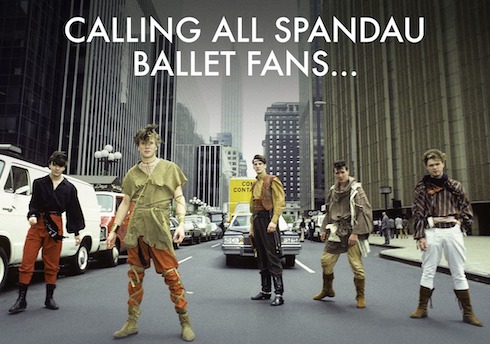
Spandau in New York City 1981: were you there and do you have any memorabilia?

■ THE FIRST NEW BAND out of Eighties clubland to score a chart hit are planning a celebration of those early formative years when the world called them the leaders of the New Romantics.

Today Spandau Ballet – all now in their sixties – announced “a major career-defining project” and appealed to fans for help. The band invites everyone who attended any of their performances between 1979 and 1981 to send in memorabilia such as flyers, posters, tickets, video or film footage of Spandau Ballet, onstage and off. For example, these would include their appearances at London’s Blitz Club, Mayhem Studios, Scala Cinema, HMS Belfast, their first Top of the Pops, Birmingham’s Botanical Gardens, Tiger Bay Cardiff, Heaven and the Sundown in London, Exeter Bowl Bournemouth, Le Palace in Paris, the Underground Club in New York, the Ku Club in Ibiza or the Much More in Rome.

Likewise, send them your memories of the pace-setting dance-led clubs during those years, such as Billy’s, the Blitz, Rum Runner, Le Beat Route, Le Kilt, Club for Heroes, Danceteria, the Voodoo Club, or from 1982 the Camden Palace and the Wag club. Again, memorabilia that captures the fashions and the atmosphere is welcomed.

➢ Click to visit Spandau’s special website for
submissions and more information

➢ Previously at Shapers of the 80s:
1980, Steve Strange’s call to join the party

FRONT PAGE

1982 ➤ Strange takes UK clubbing mainstream

Koko, Camden Theatre, Camden Palace, nightclubbing, music venue, fire, architecture, Music Machine,

Steve Strange in 1982: for ever being filmed at Camden Palace

40
YEARS
ON

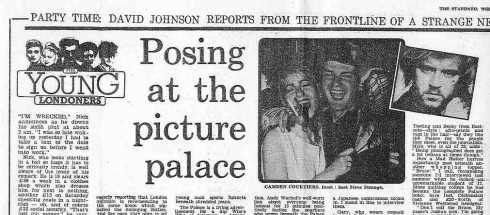
❏ In the same season that Next opened its first shops in Britain to bring colour to the high street, Steve Strange and Rusty Egan went mainstream with their first mega-club venue for the growing generation of nightlifers who had discovered that dressing up could change your life. On this day in April 1982, Strange & Egan began fronting what became the Camden Palace a couple of nights a week, way north of London’s West End. This huge Edwardian theatre was most famous in the postwar years as BBC radio’s studio for recording the Goon Shows.

Within its first year and open five nights a week, the Palace came to offer easily the best night out in London because, as well as the usual delights, this poser’s paradise won a reputation for offering more. The world’s media and photographers learned this was the fashionable place to find the next big thing and on the crowded stairways here, posing truly began to pay its way…

During 1982 mega-clubs began appearing across the country, from the Hacienda in Manchester to Rock City in Nottingham and the Academy in Bournemouth. Click below to read my report in the Evening Standard nailing how streetwise New Romantic followers set about expressing their inner talents in ways that helped transform rampant unemployment into a jobs market in which the young began to thrive…

Camden Palace, nightclubbing, Steve Strange

First published in the Evening Standard, 11 May 1983

➢ Previously at Shapers of the 80s:
1983, A silly hat and a calculated look might be
the best career move you’ve ever made

London, nightlife

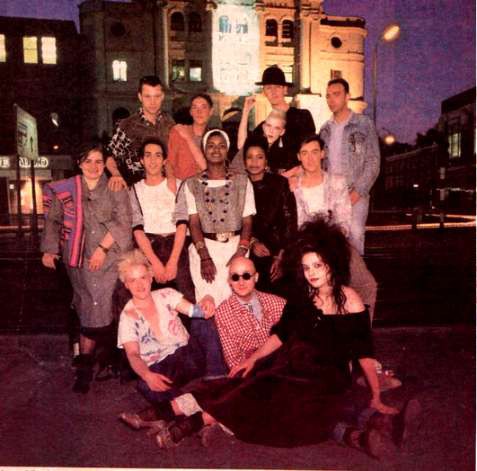
Palace forecourt 1983: in their circle of peers everyone in this picture is a household name. Picture © by David Montgomery

➢ Previously at Shapers of the 80s:
2020, Second time unlucky as fire ravages
the former Camden Palace nightspot

➢ 2022, On 29 April Koko, the renamed Camden Palace,
reopens as a state-of-the-art venue after massive refurbs
including a new roof garden. Arcade Fire plays live

Koko, nightclub, London, reopens, live venue

Koko in 2022: a roof-terrace bar as part of its £70m refurbishment

FRONT PAGE

2022 ➤ New Romantics? Here are some who won’t own to that name

BFI Flare Film Festival 2022, Tramps!, Kevin Hegge, Brian Robertson, movies, New Romantics

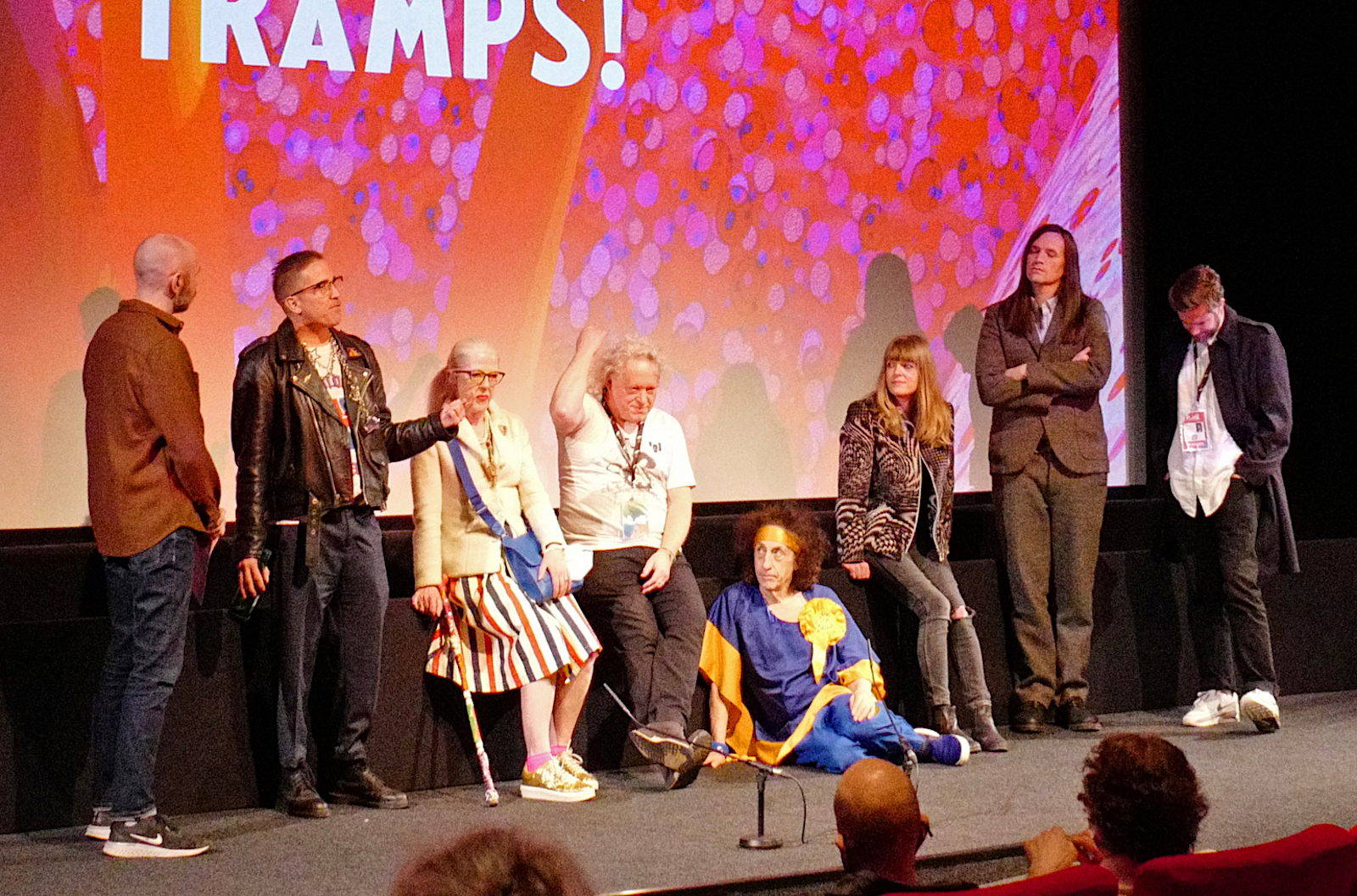
After yesterday’s Gala premiere of Tramps! – BFI host at left, then director Kevin Hegge, Scarlett Cannon, Jeffrey Hinton, Philip Sallon, Verity Susman (music), Matthew Sims (music) and Brian Robertson (producer). (Photo © Tessa Hallmann)

❚ MAYBE IT TAKES AN OUTSIDER to see a whole decade with a fresh perspective? Saturday night saw the launch of a documentary called Tramps! that attempts to do just that in almost two hours.  The much-spun truths and fables of a movement which, even after this film’s premiere, refuses to own its given name, appears to have a new champion. In truth there was not just one group of people who started the emerging movement, there clearly were many who at times intermingled but also grew their own quiet revolutions under a greater umbrella that later came to be called a cult: the New Romantics. This is the story of some of them.

Tramps!, BFI Flare Festival, Mark Dooris, review, movies

FILM REVIEW BY
MARK DOORIS
(Photo Tessa Hallmann)

The Canadian Kevin Hegge’s film opens cleverly to a domestic picture of the model Scarlett Cannon tending to her sun-drenched garden as she recollects her formative years. In this unexpected view of a woman whose powerful and iconic imagery has been documented and used as one of the least compromising style statements of the Eighties (playing “key identity” for the V&A Museum’s major exhibition From Club to Catwalk in 2013), she speaks about simply being there!

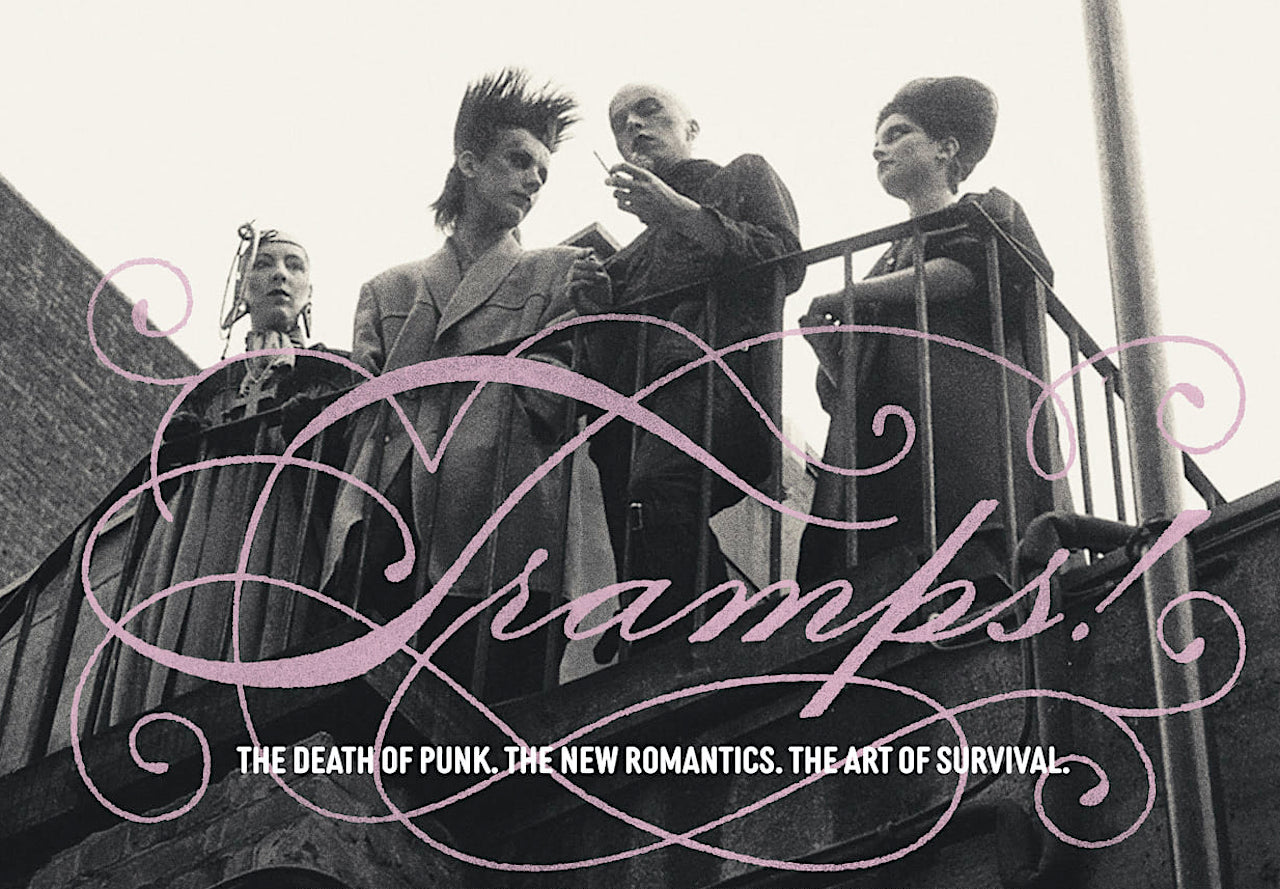
Just like the film’s poster, this is well-placed bait that slowly draws you into what will turn out to be a very well-constructed game plan. A definitive film about the so-called New Romantics has yet to be made but this contribution to the BFI’s annual Flare Film Festival offers a well-stacked sandwich of people and events that gives a very personal view of their experiences through a uniquely creative period of history.

Driven by a musical score that both emotes and supports the story, we see unfolding before us spliced and collaged pictures and film clips of a selection of renegades who love and survive in punk’s underlying gloom and spend ten years carving out a brighter world through Thatcher’s hectic Britain. The patchworking together of views and motivations of some of the witnesses proves that the movement was bigger than its over-used title.

Judy Blame steals the show by saying it as it is. The unrepentant gay designer, who has sadly died since being interviewed by Hegge, is often overlooked for his contribution to Eighties style and gay culture. Disc jockey Princess Julia remains a constant through the film, as indeed she should, as a very relevant force in style and club culture to this day.

In a new twist, nightlife entrepreneur Philip Sallon was given credit and indeed respect for his very singular influence on both the scene and indeed the followers who helped change the growing movement. Unlike many previous interviews, this time they let his wit and views be heard rather than using him as the cymbal-clapping monkey who offers only light relief to the story of the times. At Saturday’s screening, the effervescently clad Philip asked the audience to be kind to each other and to look beyond the superficial outer paint to the person within and that, at its core, is what this film itself does.

BFI Flare Film Festival 2022, Tramps!, Kevin Hegge, movies,

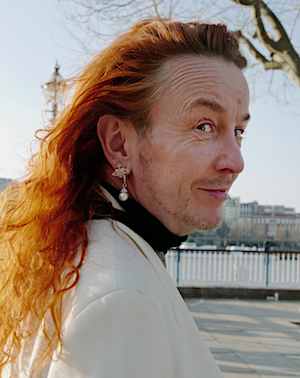
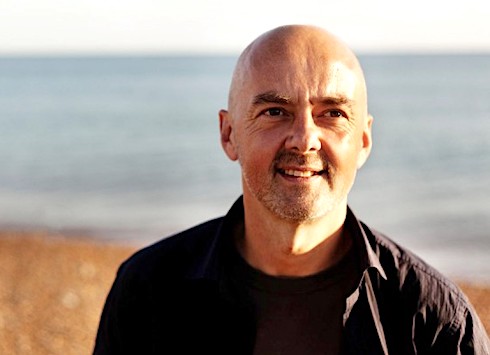
Kevin Hegge, director of the documentary TRAMPS! © Kevin Hegge

“If you have a bone of contention with
the movie… make your own movie”
– director Kevin Hegge

John Maybury talks of his film-making career and the people who appear in the clips we see of his days in the legendary Warren Street squat, plus the influence and support that director Derek Jarman gave him to discover and use his skills after being invited to join what turned out to be the cult film Jubilee in 1977. Artist Andrew Logan with his occasional Alternative Miss World competitions is rightly identified as a pioneering force in the new bohemia party scene that was emerging, while the painter Duggie Fields added some graceful recollections of this time gone by, he too having passed on since filming.

Thrown aside are the frilly shirts in favour of the BodyMap duo of David Holah and Stevie Stewart, offered up as the fashion revolutionaries who, hand in hand with Michael Clark and Les Childs, danced to a different beat. Performance artist Leigh Bowery is featured throughout the film for no justifiable reason and images of his eccentricity almost drive the visual impact with its cinematic styling and its Venus in Furs-esque vibe. Ironically, Bowery didn’t emerge as a “face” until the New Romantics movement had gone mainstream in 1985. An intriguing insight is given into the apparent genius of Bowery’s room-mate Trojan (Guy Barnes), his part in the Taboo nightclub set and the impact he might have continued to make if not for his untimely death.

Michael Costiff and his amazing partner Gerlinde are acknowledged for their roles in both the club world and the counter culture that was emerging, as were Miss Binnie and the Neo Naturists who are almost forgotten in most reviews of the Eighties. Sadly many people were lost to the Aids epidemic that cut its way through the careers of others referenced within the film and their contribution to gay culture, as was the demise of many in the drug-fuelled parts of club world. What and who are missing is a list too long to type but a refreshing and often underplayed star emerges in disc-jockey Jeffrey Hinton’s outlook during a pivotal chapter in the history of style.

Curiously, the title Tramps! and its poster are misleading about the ground this film covers and what it offers instead, but as an insight into how key people saw their time in the sun, it’s a winner. And impressively moving.

The Gala evening was not awash with big names from the Eighties and indeed a grave lack of New Romantic superstars was evident at both screening and drinks party after. Sadly the promised Questions and Answers section never really hit the mark and no chance was given for the audience to question the director or cast. That said, Tramps! made a great choice for the closing night of the Flare Festival.

❏  The film is not yet on general release

Blitz Kids, film, New Romantics, Swinging 80s, Michele Clapton, George O’Dowd, Lee Sheldrick , Princess Julia, Kevin Hegge, Tramps!, BFI Flare Festival

Leading the Goth wave in 1980: Blitz Kids Michele Clapton, George O’Dowd, Lee Sheldrick and Princess Julia, on the rooftop at St Martin’s School of Art, photographed by Graham Smith and dressed in Gothic mode for Stephen Linard’s “Neon Gothic” collection in the second year’s Alternative Fashion Show

➢ Previously at Shapers of the 80s: 1981, Who are the New Romantics, what are their sounds and how do they dance?
➢ Previously at Shapers of the 80s:
1980, The year the Blitz Kids took their first steps into the headlines

FRONT PAGE

2021 ➤ The man called Seven offers his skills to the next generation of music students

Rock music, education, Business, Seven Webster, IMCP, BA (Hons),

Seven Webster: probably the nicest guy in rock


❚ THE LAST TIME Shapers of the 80s mentioned Seven Webster, we described him as “probably the nicest guy on the entire UK music scene” and it’s with great pleasure we can now reveal his new role championing entrepreneurship in that industry.

He said yesterday: “I am extremely honoured to have been appointed an ambassador for the first ever BA (Hons) Music Business Degree in the UK. Encouraging fresh entrepreneurial spirit is the very essence of what is going to help shape, strengthen and sustain the future of music. To lend my support to future generations of creative like-minded spirits is wonderful.”

Announcing his appointment, The Institute of Contemporary Music Performance (ICMP) declared: “Seven is a successful and well-respected music industry professional, who has worked across various parts of the sector. The kind of entrepreneurial spirit he embodies is at the heart of our course and his insight and experience will be an invaluable asset for our students.

“His 7pm Management company has launched and managed the careers of numerous established top 40 artists and DJs over the last 30 years. This includes the likes of superstar DJs Sasha, John Digweed and Carl Cox through to the multi-million selling singer-songwriter Dido and rock band Skindred.”

Other ventures have included running music publishing companies and organising live music events. In 2015 which Seven described as “a very buoyant time for rock”, people were actively signing rock acts and wielding what he believed was “a cumulative fist”.

7pm Management, Swinging 80s, Rock music, Seven Webster, Geschlechts-Akt, Padded Cell, nightclubbing,

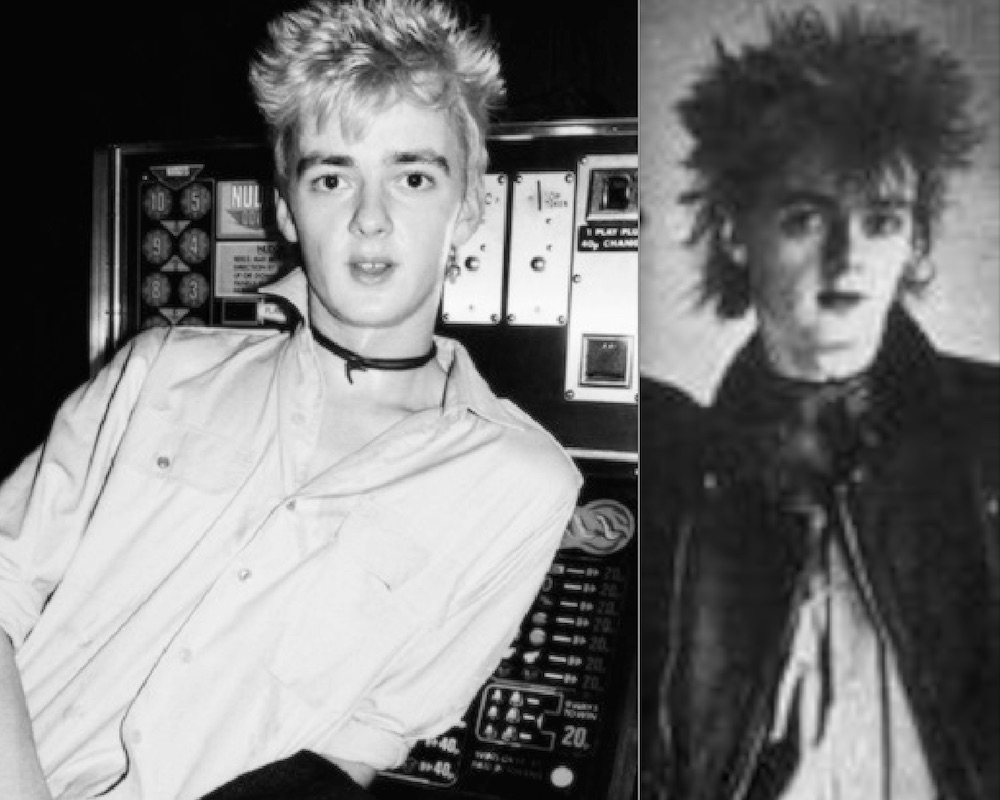
Seven Webster when we first met, 1983 at the Padded Cell… and as guitarist in postpunk band Geschlechts-Akt, 1984


His outfit launched a new music conference at the Rich Mix Cultural Foundation in Shoreditch. RockComm London described itself as “the first UK-based international rock music conference aiming to unite everyone from labels, publishers, managers, distributors, agents, promoters, manufacturers, digital aggregators, the lot”. RockComm was as an appetiser for the UK’s biggest rock music event, the Download Festival.

Seven is one of a seemingly small band of brothers who is determined to assert his creative ideals. He draws on a lifelong love of music, saying “it’s my heart and soul”, having kicked off playing guitar in a post-punk band called Geschlechts-Akt (a messy German mouthful meaning Sex Act). He is also intensely sociable and has a quip ready to account for most eventualities. As he told us at the age of 20: “I just hate staying in. I’ll go to ice-cream and jelly parties, anything.”

➢ IMCP breaks the news of Seven’s appointment

➢ Previously at Shapers of the 80s: 2015, Seven’s easy stages – from jelly parties to saviour of the rock scene

➢ Previously at Shapers of the 80s:
1983, Deciphering the code of the Padded Cell

FRONT PAGE