Tag Archives: Blitz Kids

➤ The Blitz Kids WATN? No 28, Stephen Linard

drakes-london,Stephen Linard,British tailoring, haberdashery,Drake’s,Michael Hill,luxury shops, Clifford Street , London

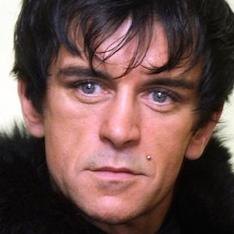
Former Blitz Kid and St Martin’s fashion graduate Stephen Linard: today he is a designer with Drake’s, the gentlemen’s haberdasher, seen here at a staff preview for the opening of its first shop just off Savile Row. Photographed © by Shapersofthe80s

❚ WACKIEST AMONG THE 80s BLITZ KID RACERS was Stephen Linard, the Essex boy who nevertheless graduated from St Martin’s art school with a first-class degree in menswear 30 years ago this summer. Modelled by six of his hunky clubland pals, his collection titled Reluctant Emigrés featured swishy draped greatcoats, pinstripe trousers and city shirts that all evinced an Edwardian air of immaculate tailoring while declaring edgy details with organza and contrast patches. Amid the women’s outfits shown by most of the other fashion graduates, Linard’s chic street-savvy lads had a gasp-out-loud impact, as commentator Suzy Menkes noted after the show. The influential South Molton Street shop Browns immediately wanted to develop the range, but Stephen decided instead to sell his original garments to a short-lived synthpop band called Animal Magnet. “I needed the money,” he says now in a shocking confession of short-termism.

A hugely original and resourceful talent, Stephen was feted by the fashion press upon graduation. His high-visibility fashion leads were key among the 15 sharpest Blitz Kids who shaped the New Romantics silhouette from Covent Garden’s Blitz club — Stephen Jones, Kim Bowen, Lee Sheldrick, Helen Robinson, Melissa Caplan, Fiona Dealey, Judi Frankland, Michele Clapton, David Holah, Stevie Stewart, Julia Fodor, Dinny Hall, Simon Withers and über-wag Chris Sullivan were the others. Most significantly, Linard advertised his bizarre imagination by changing his appearance on an almost daily basis, from his foppish Fauntleroy dandy, to the Endangered Species outfit made from animal skins, to the Bonnie Prince Charlie tartans copied for his character in Worried About the Boy, last year’s TV biodrama on Boy George, who became a soulmate the moment Stephen walked into Billy’s club, where the Swinging 80s were hatched in 1978.

Click any pic below to enlarge Linard’s degree collection 1981:


So… where is he now, the dignified Stephen Linard pictured this month sporting a three-button, three-piece linen suit in a faded shade of indigo, and handmade in Venice? Well, since 1989 Stephen has been on the design team at Drake’s, the respected men’s haberdasher which has just opened its first shop at No 3 Clifford Street, just off Savile Row, the global epicentre of serious tailoring. Those with fond memories of Bowring Arundel & Co — for whom Stephen’s late father once supplied handmade leather goods — have welcomed the arrival of the new shop.  Though Drake’s was founded in 1977, the firm has never had its own retail outlet.

Michael Drake, a former head of design at Aquascutum, was its co-founder (and incidentally, “my grandmother’s nephew,” Stephen said). He began making the finest accessories, from cashmere scarves and printed silk handkerchiefs to knitwear, shirts and the elegant neckwear that has made Drake’s the largest independent producer of handmade ties in England. It enjoys a prodigious export market, by designing collections for international luxury shops and collaborating with such style-leaders as the Japanese fashion label Commes des Garçons.
drakes-london,British tailoring, Clifford Street,London, Michael Drake, handmade ties, haberdashery,Adam Dant

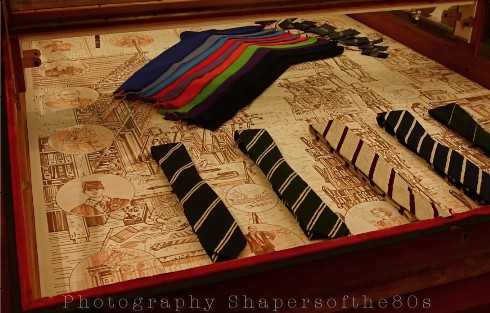
The young Linard by artist Adam Dant: lining this antique vitrine at Drake’s new shop is a busy tableau of life at the firm’s Clerkenwell factory. At lower left we see a youthful portrait of the designer alongside some of the handmade ties in fine Shantung silk Drake’s is renowned for. Photographed © by Shapersofthe80s

Today the creative director Michael Hill encourages his designers to refresh the seasonal ranges with new textiles, both for readymade production and for bespoke handcrafting at Drake’s workrooms in the artisan quarter of Georgian Clerkenwell. A revival of bespoke suit-making has seen a new appetite for accessories in raw shantung and Indian tussah silk — its slubbed texture playing well with both formal suits and casual jackets — as well as traditional madder silk from Macclesfield in Cheshire, where Stephen is a frequent visitor ensuring that exacting standards are met.

A stylish touch to Drake’s new strategy has been to recruit the impish graphic artist Adam Dant, whose witty drawings adorn the shop and the stylishly written Drake’s website. In particular it commissioned him to create one of the Hogarthian “mockuments” which won him the Jerwood Prize. Rather like flowcharts, these reveal the inner workings of an institution and its people, and Dant’s depiction of Drake’s Clerkenwell factory provides the lining to one antique vitrine, formerly property of the Victoria and Albert museum and now in Clifford Street, displaying shantung ties and enormously long (in the Italian style) knee-socks.

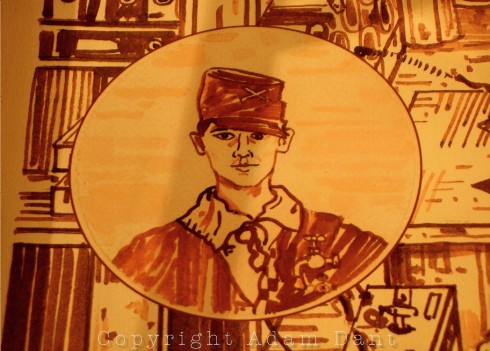
Included among Dant’s portraits of colleagues who are said to have influenced Michael Drake is Stephen Linard’s and it echoes an emblematic photograph published in i-D magazine in which he wears a Yohji jacket and jaunty Confederate Army leather cap, “bought in Anchorage airport in the days when I was rich — bathtubs filled with champagne”. This is a reminder of the period 1983–86 when he lived in Tokyo designing for Jun Co, the fashion giant, on a salary which, he liked to boast, exceeded the prime minister Margaret Thatcher’s. In the mid-80s, to be an English designer brought you popstar status in Japan, as those fellow Blitz Kids Stephen Jones and Lee Sheldrick also discovered.
drakes-london,British tailoring, Clifford Street,London, Michael Drake, handmade ties, haberdashery,Adam Dant

Close-up of the portrait: Linard is one of many talents associated with Drake’s who have been captured by the artist Adam Dant. His reference was a photograph dating from 1983 — note the ornamental bath tap. Courtesy of Adam Dant and Drake’s
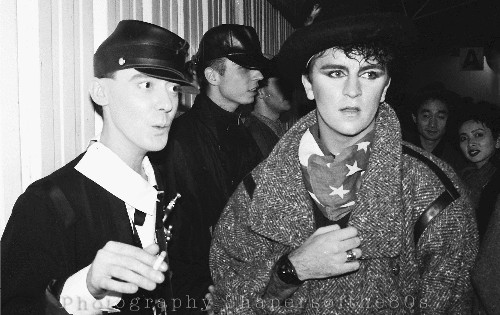
The 1983 look that inspired the portrait: Stephen Linard sports a leather Confederate Army cap $15 from Alaska, and Yohji Yamamoto jacket £250, over giant-collared Yohji shirt £120. Artfully placed on his left lapel is a silvered bathroom tap £60 and faucet brooch £40, both from a jewellery collection for Chloe, Paris. Seen here with Lee Sheldrick (rear) and Steve Strange at the Worlds End fashion show in Paris that October. Photographed © by Shapersofthe80s

Long before he joined the “Japanese invasion” effected by Britain’s emergent new wave of streetwise fashionistas, Stephen had gained the admiration of the international fashion glossies. With 1983 came his collection Angels With Dirty Faces, inspired by the Bogart-Cagney gangster movie set in the 30s depression. It was both pretty and poignant and it sold worldwide. That year, the snappiest magazine of the day, New York, headlined a special fashion section The British Are Here, and selected as the UK’s five leading lights Jean Muir, Zandra Rhodes, Katharine Hamnett, Vivienne Westwood — and Stephen Linard, “one of the most creative of the young designers”.
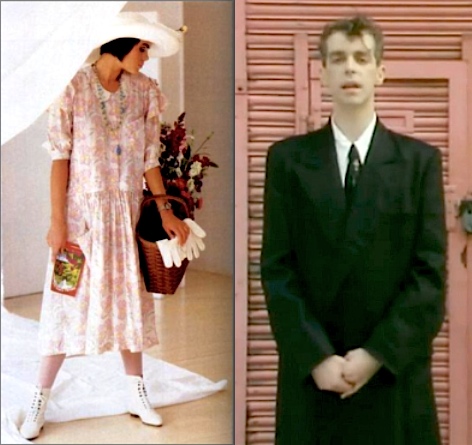
Linard designs from his heyday: bias-cut tea dress, $100 in Bloomingdale’s, from his 1983 Angels With Dirty Faces collection, here photographed by Tony McGee for New York magazine. Right, Neil Tennant wears a Reluctant Emigrés topcoat by Linard in the Pet Shop Boys video for West End Girls (Parlophone 1984)

Stephen’s clothes had always been sought after by his popstar contemporaries from Spandau Ballet, Boy George and The Slits, to U2, Womack & Womack, even Cliff Richard and Johnny Mathis, and ultimately to the great god David Bowie himself. (Stephen had to turn down the invitation to go on location to appear in the Ashes to Ashes video in 1980 “because I was on a disciplinary warning at St Martin’s over attendance”!) His Reluctant Emigrés collection enjoyed a curiously long life and in 1984 we see Neil Tennant lording it in one of the black linen topcoats in the Pet Shop Boys video for West End Girls, their first single which went to No 1 in the UK and US.

Many Linard looks have been coveted by the fashionistas but, as with so many gifted designers, let’s say a head for business came second to his eye for fashion. The timing of funds hit the rocks in more than one of Stephen’s creatively successful ventures, and decades ago he complained loudly that the St Martin’s fashion department didn’t do enough to equip graduates with basic business skills. (This, we are assured, has since been addressed by the college.) In the end it wasn’t surprising that he accepted the offer to join the Drake’s family, which seems to have dealt him a lucky hand.

One tip for wearing the perfect handmade tie? “Never tuck the smaller blade through the ‘keeper’— the loop on the back of the large blade. Much more stylish to let it flap free. Like undoing the button-cuff on your jacket, to show you don’t care.”
drakes-london,British tailoring, Clifford Street,London,Augustin Vidor, Michael Drake, handmade ties, haberdashery,Stephen Linard

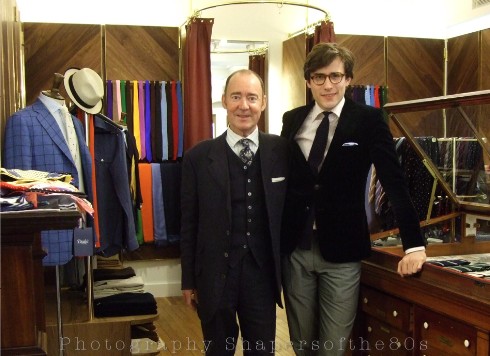
The new shop in Clifford Street: Linard joined the Drake’s design team in 1989 whereas sales assistant Augustin Vidor is currently an intern. Photographed © by Shapersofthe80s
FRONT PAGE

1981 ➤ Hot days, cool nights, as Blue Rondo join the new Brits changing the pop charts

Blue Rondo à la Turk , pop music, 1981

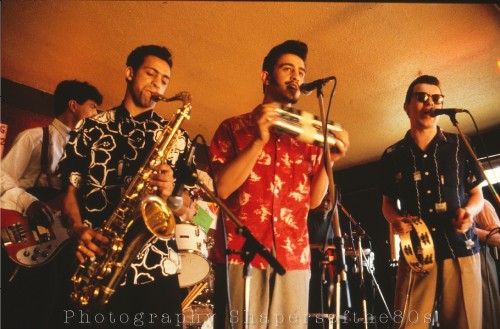
Blue Rondo’s official debut in Chelmsford, June 1981: Moses Mount Bassie, Christos Tolera and Chris Sullivan front the seven-piece. Photograph © Shapersofthe80s

◼ “GET IN THE BACK OF THE VAN,” I was told on this day 30 years ago. “You’re coming for a ride.” Graham Ball was a club host empowered to open the trendiest of doors in Soho, so “No thanks” was not an option. “I’ve got a new band to show you. And you’re not quite going to believe what you’ll hear and see.” He was, apparently, now also a manager. We arrived in blisteringly hot sunshine at a characterless modern pub in Chelmsford, Essex, well away from Soho clubland, and there of course were the rest of The Firm — the handful of sharp young dudes at least half the age of the grunters who dominated the pop industry, all being groomed by Spandau’s 23-year-old Steve Dagger to inherit the mysteries of management for a new generation of bands.

Assembling an assortment of instruments onstage were five, six, no, seven of the most variegated musicians you felt might belong in a special institution for their own safety. I had been invited to write the first piece about the craziest combo  inspired by London’s Blitz Club, which had closed the previous autumn, and by this summer they were but one among the slipstream of bands erupting on London’s burgeoning nightlife scene. From their opening vocals — “Oo-oo, aa-aa, mm-mm ah!” — Blue Rondo à la Turk were sensational, and my review appeared in the second issue of New Sounds New Styles. It took only three months before Rondo signed a deal and charted in November.

➢ Read that first review of Blue Rondo as they create a buzz with their new Latin sounds — from NSNS August 1981

This was the summer
of New Romance

Spandau Ballet, Ultravox, Duran Duran, 1981

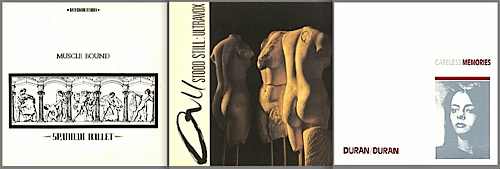
Leaders of the Romantics in 1981: Spandau Ballet, Ultravox, Duran Duran

ON THIS DAY in 1981 the UK charts were bursting with the new generation of image-conscious British groups who whose linking of soul and electro-pop were to change the style and the rhythm of pop charts for ever. . .

Ultravox were enjoying their fifth hit single All Stood Still.
Linx were enjoying their third hit Throw Away the Key.
Spandau Ballet were enjoying their double-sided third hit single, Muscle Bound/Glow. At Easter they had also signalled their new funky direction by introducing Chant No 1, which would become London’s clubbing anthem and reach No 2 later this summer.
Duran Duran were enjoying their second hit Careless Memories.
Orchestral Manoeuvres in the Dark were enjoying their second hit Messages.
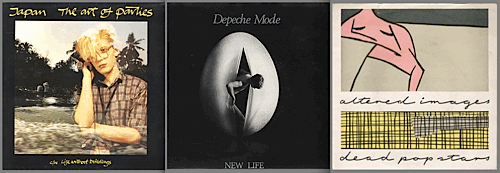
Japan were charting with The Art of Parties.
Landscape were charting with Norman Bates.
Shalamar (with honorary Brit and body-popping pioneer Jeffrey Daniel) were charting with A Night to Remember.

➢ Elsewhere at Shapers of the 80s: 100+ acts who set the style for the new music of the 1980s

Light of the World were charting with I’m So Happy.
Imagination were charting with their debut Body Talk.
The Human League entered the charts on this day with Empire State Human.
Depeche Mode’s second single New Life was soaring towards No 11.
Visage’s second hit single had just fallen out of the chart.
❏ Likewise Heaven 17’s debut Fascist Groove Thang.
❏ Likewise Altered Images’ debut Dead Pop Stars.
❏ Likewise Level 42 with their second hit, Love Games.
❏ And the honorary Brit, Kid Creole, was heading into the charts with his Coconuts and their debut single, Me No Pop I — a compulsively danceable new sound on Antilles introduced to London last year by i-D co-editor Perry Haines.

New Romantics, bands, Swinging 80s,Japan the band, pop music, Depeche Mode, Altered Images

Going Romantic in 1981: Japan the band, Depeche Mode, Altered Images

Oh, and two nights earlier at Le Beat Route I’d snapped the new boy in George O’Dowd’s life enjoying their first date. Nobody dreamt that George and Jon Moss would one day be putting together their own band.

♫ VIEW fine Northern Soul footwork from Rondo mentalists in this performance of Me and Mr Sanchez shot at the Venue in London:
+++

FRONT PAGE

➤ Aside from the freaks, George, who else came to your 50th birthday party?

❚ YES, OF COURSE SHAPERSOFTHE80s was at the fruit-cakiest party of the summer, and we can offer a selection of pix not widely seen in the tabloids.

Boy George, 50th birthday,Jon Moss, Barbara Moss,

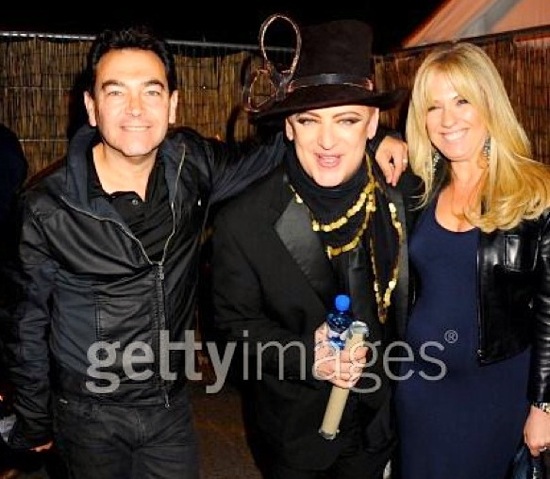
That Man in the Middle: George O’Dowd celebrates his 50th birthday with former Culture Club drummer and father of three children, Jon Moss and his wife Barbara at Tuesday’s party. © Dave Benett/Getty

Boy George, 50th birthday, Dinah O'Dowd

That Boy with his doughty mum: Dublin-born Dinah O’Dowd is still up for a party at 71 even after bringing up George and five other children! She spilt the beans in her own book Cry Salty Tears (Arrow Books 2007). Spot the marzipan chameleon. © Dave Benett/Getty

➢ The Daily Mirror said it was “camper than Christmas at Louie Spence’s house”
➢ The Sun dubbed it a “bonkers bash” in print and “wacky” online
➢ Holy Moly called it “a terrifyingly horrid looking party”

❚ BRITAIN’S BIGGEST-SELLING PAPER, The Sun, couldn’t have been more shocked by Boy George’s 50th birthday party when 1,500 guests crowded into two of the largest nightclubs — Lightbox and Fire — set in railway arches at the heart of London’s gay village, across the River Thames and upstream. The area became infamous for 200 years as the Vauxhall Gardens, a fabled pleasure-seekers’ amusement park which opened in the 17th century and closed only in the 19th. It was deliberately sited outside London’s city limits and also its by-laws, so that Fielding’s novel Tom Jones immortalised the gardens as a place “where people come to undo others — and others come to be undone”.

This morning’s Sun spluttered: “As well as a host of transvestites, George, sporting a black top hat, was joined by a selection of PVC-clad ghouls and other creepy-looking creatures, some clad in bondage gear. One man even had his head fixed inside a bird cage.” A “source at the party” — with this phrase The Sun was distancing itself from the unimaginable goings-on — reported : “It wasn’t for the faint-hearted. Some of the outfits were a little weird.”

Shapersofthe80s can’t compete with the selection of frenzied ghouls pictured in The Sun and other tabloids, largely because we were idling in the quiet outdoor tents and feeling our age with some of the original Blitz Kids a couple of years older than George, the baby of his clubbing generation. We had a good dinner first and arrived when the weirdness was in full swing, genuinely surprised that, despite the ravages of 30 years, a sizeable contingent of ex-Blitz Kids had turned up out of loyalty to Britain’s chief genderbender. The keener ones showed up on time to get their faces into the early-edition pap pix, though a lot of cool people didn’t. For many, the prospect of a free bar 8–10pm didn’t provide the bait it once would have done.

Boy George, 50th birthday,Holly Johnson

That Boy with Holly Johnson: the vocalist with 80s shock-band Frankie Goes to Hollywood is today a painter whose work has been exhibited at the Tate Liverpool. © Chris Jepson

Boy George, 50th birthday,Emma Woollard , Jeremy Healy

Among George’s guests: artist Emma Woollard and Jeremy Healy, formerly half of 80s pop duo Haysi Fantayzee, today a prominent club deejay who also provides music for fashion shows — until recently John Galliano’s. © Dave Benett/Getty

Cameron Jones, Roman Kemp, Boy George, 50th birthday, Paradise Point

That Man in the Middle: his two gorgeous companions are budding stars from London’s new livepop band Paradise Point, singer Cameron Jones with bass player and former schoolmate Roman (son of Martin) Kemp. © Getty Images

Relaxing at last into middle age, the very Blitz Kids who perfected the idea of “Your Look” while shaping the Swinging 80s left the showing off to the kids at the party who thrill to dress as an inflatable rubber sex doll, or to attach to their naked vital parts every toy and fruit that drag acts have been dangling before all-male audiences at the nearby Royal Vauxhall Tavern since World War Two.

The notion of originality seems strangely lost on today’s drag queens and seven-foot tall trannies whose platform boots clomp through every poser nightclub in town as they push their way, as if by right, to the front of every bar queue. (And manage not to catch the barman’s eye. How does that work?) Back in the mists of New Romance, in 1979, the oldtimers each established their own Look not only to gain them admission to the Blitz Club but to personify their individual attitude. And after “the party that lasted four years”, dressing up as a nightly competition lost its novelty. By the mid-80s each Blitz Kid had arrived at a visual brand statement that had or would launch their careers and more or less last them for life… a personalised image that declared self-evidently I am a Serious Professional and This Is What I Do: I am Urban Deejay, I am Pop Stylist, I am Comic Relief Wannabe, I am Wideboy Producer, I am Dior’s Next Choice, I am Westwood Trainwreck, Pop Art Object, Rock Idol, Mockney Wag, or Sex on a Stick (for eternity, I hope).

The brightest and the most single-minded Blitz Kids always will embody Essence of Glamour — subtle, immaculate, witty, first. (Just look at the picture of Julia below!) They still populate the two core tribes, the Exquisites or the Peculiars. By their Themness shall they be identified. All respect to Peter York, whose definitive essay on Them appeared in Harpers & Queen as long ago as 1976, and should be required reading for anybody who isn’t, well, Homer Simpson.

Boy George, 50th birthday,Pepsi DeMacque,Martin Kemp, Steve Strange, Shirlie Holliman

Among George’s guests: Pepsi (DeMacque) & Shirlie (Holliman, today Mrs Kemp) flank actor and Spandau Ballet bassist Martin Kemp, and Steve Strange, former Blitz Club host who made his reputation in the 80s by changing his clothes daily. © Dave Benett/Getty

Boy George, 50th birthday, Princess Julia, Julia Fodor, Jeffrey Hinton

Among George’s guests: former Blitz Kids (and indeed Blitz coatcheck girl) the immaculate Princess Julia and the ever-scruffy Jeffrey Hinton, both today leading club deejays in the UK and abroad. © Shapersofthe80s

The arch-poser Christos Tolera facebooked after George’s party: “Well that was fun… It was like being in the 80s but without the carnage… Never have I seen so many old people looking so good.” And indeed it did seem that even Steve Strange — especially Steve Strange — had applied five times the Essex-Girl minimum of bronzer to create this season’s visage.

What was mildly heart-warming on Tuesday was to realise that who turned up was itself confirmation of the bonds of friendship within the Blitz camp. Yet the apprehension in the air was palpable as pleasantries were shared. One or two did cut the others dead. Over three decades, there have been fallings-in-love and fallings-out… recriminations and insults and envy as people stumbled through life’s great obstacle course… Many have succumbed to temptations that only will-power and time can heal. Some discovered that dreadful experiences can enrich the soul, others that to scratch a lover is to find a foe… Peter Ustinov believed: “Friends are not necessarily the people you like best. They are merely the people who got there first.” We are where we are. Would old romantics really want it any other way?

Boy George, 50th birthday,Sue Tilley,Stephen Linard, Les Child

Among George’s guests: designer and former Blitz Kid Stephen Linard, the biographer of Leigh Bowery and Lucian Freud model Sue Tilley, with dancer Les Child who has choreographed countless pop promos and tours since the 80s. © Shapersofthe80s

Boy George, 50th birthday,Stephen Jones, Judith Frankland

Among George’s guests: celebrated milliner Stephen Jones with his tie being worn on an unusually rakish tilt, meets up for the first time in decades with Judith "Ashes to Ashes" Frankland whose pink crimped hair seems inspired by Bette Davis as Baby Jane. © Alice Shaw

❏ NAMECHECKS — Amid the trannies at the party (deciphering genders proved quite a challenge at times) were a few genuine female celebs such as designers Pam Hogg, Judith Frankland, Stevie Stewart, singers Beth Ditto, Sonique Clarke, Pepsi & Shirlie, author Sue Tilley, artist Emma Woollard, heiress Daphne Guinness, promoter Rose Turner, deejay Princess Julia and broadcaster Janet Street Porter, whose landmark TV documentary 20th-Century Box put the Blitz Club obsessives on the media map in 1980…

Non-transvestite males included ex-Culture Club members Jon Moss, Mikey Craig, musicians Holly Johnson, Martin Kemp and son Roman, singer Cameron Jones, choreographer Les Child, milliners Stephen Jones and Philip Treacy, stylist Judy Blame, model Luke Worrall, restaurateur Paul Murashe, deejays Fat Tony, Rusty Egan, Jeremy Healy, Jeffrey Hinton, Mark Moore, Brandon Block, designers Rifat Ozbek, David Holah, Stephen Linard, impresario Phil Polecat… Who didn’t we see in the crowd?

Boy George, 50th birthday, Stevie Stewart, David Holah

Among George’s guests: ex-Blitz Kids Stevie Stewart and David Holah, the clubland designers behind the funkiest, trippiest label of the 80s, Bodymap. © Shapersofthe80s

Boy George, 50th birthday,Alice Shaw, Eve Ferret

Among George’s guests: Alice (fromthepalace) Shaw, lifelong pal of George who campaigned to find witnesses to this year’s assault on nightowl Philip Sallon, seen with Blitz Club cabaret star Eve Ferret, who recently returned to the boards in London’s West End. © Alice Shaw

Boy George, 50th birthday,Slippry Feet,Jody and Bayo

Among George’s guests: Emma, Jody and Bayo, the dancing feet behind the Most Promising Cabaret Act of 1989, Slippry Feet, and still bringing laughter to, er, millions. © Shapersofthe80s

Boy George, 50th birthday,Christos Tolera ,Judith Frankland

Among George’s guests: former Blitz Kids, painter Christos Tolera, who once sang with Blue Rondo à la Turk, and fashion designer Judith Frankland, who appears in Bowie’s Ashes To Ashes video and in the header to this website. © Shapersofthe80s

➢ Interview: Boy George hits the big Five-0 and says, yes, he has ‘lots of regrets’

FRONT PAGE

2011 ➤ Boy George hits the big Five-0 and he now says, yes, he has ‘lots of regrets’

Boy George , 50th birthday,interview, Here And Now 2011,

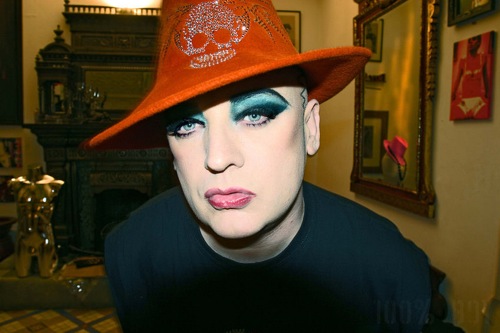
Boy George at home: 50-up but when will he stop pouting?

❚ ON TUESDAY JUNE 14 George O’Dowd celebrates his 50th birthday with a few select friends at the Vauxhall nightspot, The Lightbox. Yesterday an interview in the Daily Mail reunited him with Spencer Bright, the co-writer of his 1995 autobiography Take It Like A Man, which proved more cringingly honest and fuller of nasty settlings of scores than any popstar in their right mind should attempt. For that reason it was — and remains — a compulsively readable milestone in the endurance course that is Boy George’s life.

In recent years, interviews have been marred by self-serving psychobabble and improbable mysticism, but yesterday’s talk with Spencer Bright finds George momentarily on a more even keel. Finally, finally, Spencer elicits an astonishing confession from him: “Now, I can actually say that I do have lots of regrets.”

Boy George, 1987, Gabor Scott

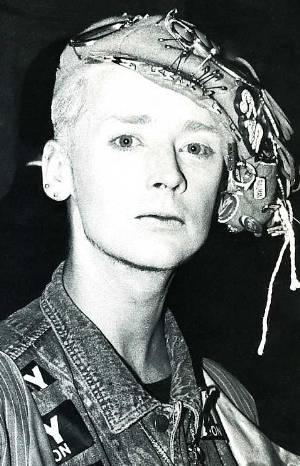
“Junkie George”: Gabor Scott’s © 1987 photograph

George had always been among the more highly visible of London’s style-setting Blitz Kids. By the mid-80s he had become one of the biggest popstars of the decade and his “blue-eyed reggae” band Culture Club was among Britain’s half-dozen New Romantic supergroups dominating world pop charts during the second British invasion of the US. Culture Club’s first two singles Do You Really Want to Hurt Me? and Karma Chameleon reached No 1 in several countries during 1982–83, and the band won a Grammy Award in 1984.

After four albums, songwriting had made George a millionaire several times over but he had also fallen prey to heavy drugs and at the age of 25 his band dumped him. He began squandering his life away, as outlined in Ex-jailbird George here at Shapersofthe80s, and fully documented at Wikipedia. A much sanitised account of his teen years was broadcast last year as the TV drama Worried About The Boy, after which ex-Blitz Kids gave their verdicts at Shapersofthe80s.

➢ IN YESTERDAY’S DAILY MAIL, SPENCER BRIGHT WRITES:

At one point it didn’t seem as if Boy George would make it much past his 25th birthday. Yet here he is, about to celebrate his 50th next Tuesday, and the transformation from the boy popstar to man seems astonishing. No one could be more pleased than me. George and I have a long history, from the days when, as a newspaper reporter, I used to follow him on the club and music scenes. In the early 1990s I helped him write his autobiography Take It Like A Man. We’ve been through a lot together. The book took four-and-a-half years, with much shouting and screaming, mostly from him at me, and moments where he’d crack me up so much I could hardly stand up.

GEORGE IS DESCRIBED AS A SOUGHT-AFTER DJ, PRODUCER, SONGWRITER AND PERFORMER:

People know me recently for lots of drama. For being arrested and going to prison. I’ve got my work cut out to remind them what I actually do.

The Mail interview airs various optimistic hopes which, for somebody with George’s track record, are a hostage to fortune. After claiming to have kicked many of his vices, we’re told he gave up smoking cigarettes six weeks ago — but ask any smoker how many times that gets said in a lifetime! “There are hopes of soon working with top producer Mark Ronson on a record with a reunited Culture Club, and an arena world tour next year.” But no mention of how his criminal records will bar entry into a significant number of countries.

GEORGE CONCLUDES:

I’ve never been a bad person and always had quite good morals. I cherish the moderate life now: I don’t want drama or complication.

➢ Read the full Daily Mail interview with Boy George dated June 9

➢ George performs with other 80s stars in the 2011 Here And Now summer tour from June 17. The single Sunshine Into My Life by Funkysober featuring Sharlene Hector, written and produced by Boy George, is out now on his own label, VG Records

FRONT PAGE

➤ Martin Rushent — the man who made stars of the Human League — is dead

Martin Rushent , electronic music, British pop, swinging 80s,

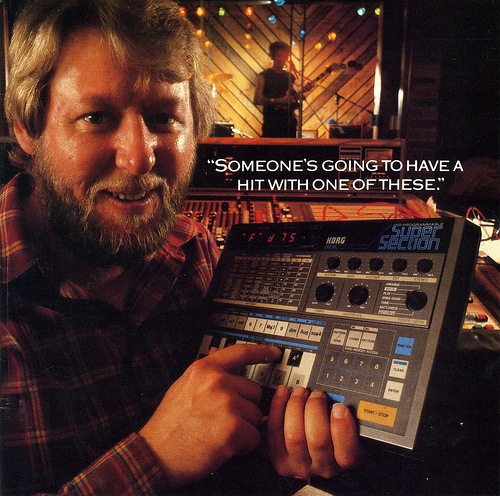
Martin Rushent with Korg Super Section programmable sequencer (1985)

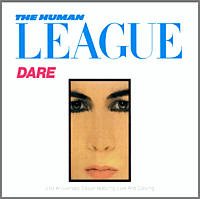
❚ A TRUE SHAPER OF THE 80s DIED YESTERDAY. Martin Rushent, the mould-breaking UK music producer, was 63 when he suffered a heart attack at his home in Berkshire. What he stamped on 80s electronica was a rhythmic template of synths and drum machines that came to characterise much mainstream pop, notably The Human League’s breakthrough album Dare in 1981, which spent 71 weeks in the UK chart, and became a worldwide smash. Rushent was known as a hard taskmaster. He insisted on bringing the Sheffield-based band south to escape the “unhealthy atmosphere” of Monumental Studios oop north, and his influence was not immediately welcomed by the League’s leader Phil Oakey, following the early band’s split and reconfiguration in 1980.

Dare, The Human League,album, pop music, Martin RushentIt began with their first single The Sound of the Crowd [see video below] which peaked at No 12. Rushent was a pioneer of the remix, who decided to improve on the League’s original version of Dare by creating 1982’s Love And Dancing, a complete makeover of the original album. It went to No 3 in the LP chart and is today regarded as his game-changing calling card. As with the Stranglers earlier, Rushent achieves a razor-sharp clarity for each instrument, here dominated by the electronics he so believed in. The Scottish pop group Altered Images also enjoyed chart hits thanks to Rushent’s production. He was named Best British producer in the 1982 BRIT Awards.
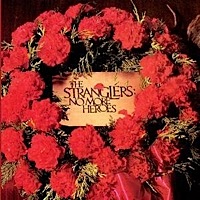
The Stranglers,rock music,No More HeroesMany also regard Rushent as the best new-wave producer of the late 70s through his work with The Stranglers, Britain’s longest-surviving rock band from that post-punk era (he produced their first three albums which would become both commercial and classic, Rattus Norvegicus, No More Heroes and Black and White), as well as Gen X, Buzzcocks, XTC, 999 and Hazel O’Connor. Other acts he engineered earlier in the 70s were T.Rex, David Essex, Fleetwood Mac, Yes and Shirley Bassey.
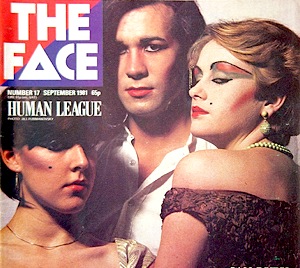
Rushent custom-built a £250,000 high-tech recording studio at his home near Reading where, he said, “The air-conditioning alone cost me £35,000”. Here ex-Buzzcock Pete Shelley made his debut album Homosapien (1981) as a solo artist for Rushent’s record label Genetic. This had its London office a couple of floors up from the legendary Blitz club where Rusty Egan and Steve Strange ushered in the New Romantics movement in 1979. Egan says that Rushent facilitated two Visage tracks, Tar and Frequency 7 (“recorded in his garage in 1979”).

His 37-year-old first son Tim says his father hated playing by any accepted rules of the game and brought irreverence to the production process. His musical signature was to add a sophisticated mix of vibrance and colour, so beefing up the musical temperature higher than a band managed to achieve for themselves. He cites The Human League’s first No 1 hit Don’t You Want Me, and Fascination (as well as Altered Images’ Happy Birthday album track). Dad’s tactic had been to bring into The Human League punk rocker Jo Callis from the Rezillos to act as a co-writer and catalyst.

Human League, Phil Oakey, Joanne Catherall ,Susan Sulley

The Human League, 1981: Phil Oakey and the girls he immortalised in that lyric, Joanne Catherall and Susan Sulley

BBC journalist Linda Serck recalls how Rushent made clear who was boss when he met The Human League: “They were under the impression that I was going to work on what they’d done so far and improve that and carry on. I said, ‘No I’m not doing that, we’re starting again’, which was a bit of a shock for Phil [Oakey]. He argued about that but I said, ‘No, if I’m going to produce you, you’re going to do what I tell you to do’. This is my attitude to everybody I produce, it’s a sort of democratic dictatorship!”

Tragically for producer and band, the end came abruptly after three years’ hard work. In a moment of pique, backing singer Susan Sulley (famously discovered while at school dancing “in a cocktail bar”) asked the perfectionist Rushent, who was old enough to be her father: “What do you know about what young people want?” In any normal workplace this would be grounds for her dismissal. In this case, the insult detonated the end of a lucrative, million-selling business partnership.

Today, Rushent leaves his wife, Ceri, and four children from two marriages.

➢ “When producer Martin Rushent took the Human League’s leaden new song and turned it into pop gold, the band hated it” — A revealing interview with Sound On Sound, 2010

♫ Peaches by The Stranglers — “Bass sound?! I asked him one time how he got that bass sound, he said: I turned everything up” — James Rushent, his second son, a musician.

♫ Three days ago Martin Rushent listened to two of his own tracks at his MySpace page: In Your Arms Again (from 2007) and Itchy Hips (2006).

+++

AMONG TRIBUTES FLOODING IN TODAY

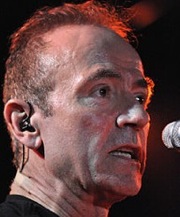
Hugh Cornwell , The Stranglers,Hugh Cornwell (left), vocalist and guitarist with The Stranglers: “ It is with great sadness that I hear of Martin Rushent’s passing. He was a vibrant and gifted individual who was able to extract the essence of what The Stranglers began with, and translate it into something that could be played on radios across the UK. It was obviously no one-off success, as he was later to show with The Human League. I remember him fondly.

Midge Ure of Ultravox “ He saw the potential in synthesisers and a future in electronic music. Sad loss for all music.

Visage drummer Rusty Egan: “ Martin, Midge Ure, Barry Adamson, Billy Currie, Dave Formula, John McGeogh, myself and Steve Strange all hanging in your house in summer of 1979 recording our debut album VISAGE … Because YOU believed … THANK YOU … You were a total genius, and like all geniuses before you, you had a crazy life but an amazing body of work … I am welling up remembering your kindness and love for music…
➢ Listen to Rusty Egan’s set of Martin Rushent re-mixes from the 80s dancefloor newly uploaded to Soundcloud

Altered Images drummer ‘Tich’ Anderson: “ I’ll remember all those hours in Genetic studios fondly. Sorry for crashing your Jaguar. xxxxxx You were a genius Martin.

Visage vocalist Steve Strange: “ Martin one was not only a genius but as a 17-year-old making his first record, he was a true role model, inspiration and guiding figure. He signed our first record Tar to his record label and for us, started the ball rolling. We owe him so much. Thank you.

Tim Rushent, son and sound producer: “ As many of you know I had a VERY fractious relationship with my Dad. But I never doubted his work as a producer, friend and raconteur. Feeling even more proud of him professionally today than I have done for 37 years.

➢ Pay your own tribute at the Facebook page Martin Rushent Memories

Prof Ben Rosamond, Uni of Copenhagen: “ Just under 36 minutes of music, but thousands of hours in the making. According to Simon Reynolds in Rip it Up, Love and Dancing consisted of 2,200 main edits and a further 400 small edits. There were so many splices that the mastertape was close to disintegration. The work of a genius. Others have said this, but it’s true for me as well. Martin, you fashioned the soundtrack of my teenage years and so many of the melodies and musical phrases that pop in and out of my adult consciousness are yours. Thank you. Rest in peace.

Heather Priestley, anaesthetic ODP, London: “ Martin you were a much loved legend, RIP. I haven’t felt this sad since losing John Peel, like you, part of my youth and the music that made me who I am today.

➢ Telegraph obituary: “Rushent forged a new way of sequencing and programming synthesiser-based music — in the process pioneering the technique of sampling”


FRONT PAGE