Category Archives: influencers

2025 ➤ The New Romantics history book currently turning heads

Photography, fashion, clubbing, exhibitions, Social trends, Swinging 80s, Youth culture, newbook, New Romantics, Blitz Club, Blitz Kids,

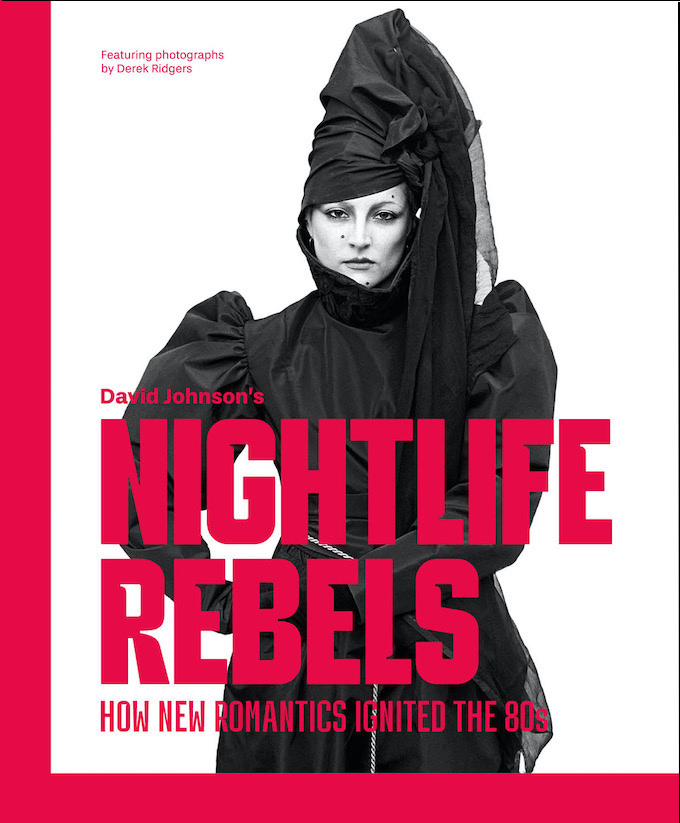
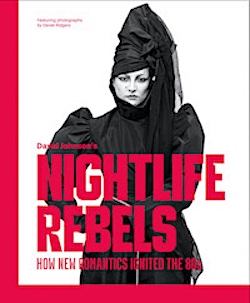
Nightlife Rebels: my new book published September 2025

❚ DURING THE SWINGING 80S two seasoned eye-witnesses watched Britain’s young ignite a glittering New Romantics revolution… As a Fleet Street journalist I explored their intriguing carnival of style-setting cults across Britain, Paris and New York, while straight-up photographer Derek Ridgers captured the libertines in their dark dens.

Our new illustrated hardback NIGHTLIFE REBELS reveals the candid history of the Blitz Club’s hedonists who insisted “One look lasts a day”. It has gone on sale in the shop outside the Blitz Club exhibition at London’s Design Museum. Alas, it is not available online, only in this shop. We hope to broaden availability soon. Contact us at Nightlife.Rebels@shapersofthe80s.com

FRONT PAGE

➤ Possibly the first post here at Shapersofthe80s in 2009

1 = GEORGE MICHAEL £90m ($138m)
2 = MICK HUCKNALL £35m ($54m)
3 = KYLIE MINOGUE £35m ($54m)
The richest UK popstar of all is ex-Beatle
Sir Paul McCartney £475m ($731m).
Source: Sunday Times Rich List 2010

De Finibus Bonorum
et Malorum, Cicero:

[Alas this sound recording no longer works]

FRONT PAGE

➤ Six magazines that changed the course of postwar British journalism

journalism, Picture Post, influencers, magazines pre-war

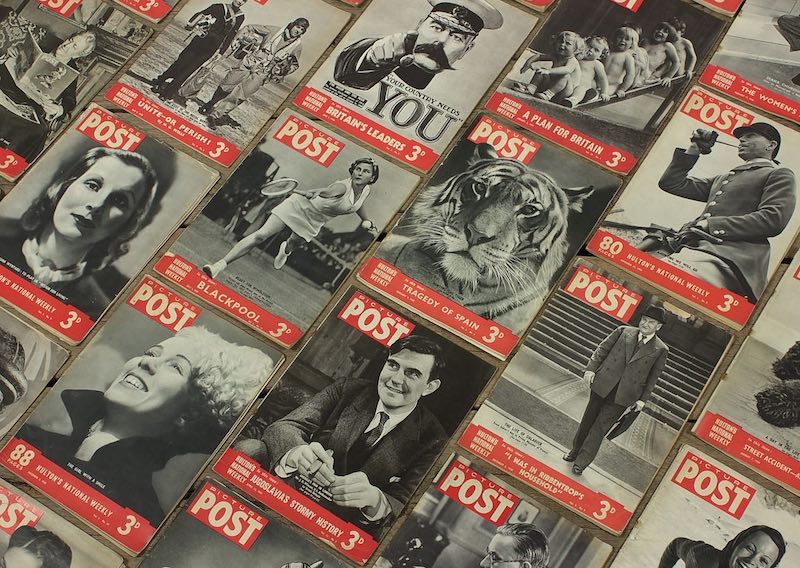
Picture Post covers from 1938 onwards

[This post was among the first to be published at
Shapersofthe80s in March 2009]

PICTURE POST 1938-57

The pioneer of photo-reportage. At the height of its powers during the Second World War this was the most widely read periodical in the country, selling 1,950,000 copies a week. Its inspirational editor from 1940 Tom Hopkinson recruited the photographers Bill Brandt, Bert Hardy, Kurt Hutton, Felix Man, Francis Reiss, Thurston Hopkins, John Chillingworth, Grace Robertson, Leonard McCombe. Staff writers included MacDonald Hastings, Lorna Hay, Sydney Jacobson, J. B. Priestley, Lionel Birch, James Cameron, Fyfe Robertson, Anne Scott-James, Robert Kee and Bert Lloyd; freelance contributors included George Bernard Shaw, Dorothy Parker and William Saroyan.

SUNDAY TIMES MAGAZINE 1962-today

The first colour supplement to be published as a weekly addition to a UK newspaper. The first editor was Mark Boxer. From the outset, “photographer first” was the benchmark and required serious investment in photo-reportage from the world’s trouble spots. Michael Rand, its art director for 30 years from 1962, said the credo was “grit plus glamour – fashion juxtaposed with war photography and pop art”. He went on to champion the work of such photographers as Terry O’Neill, Brian Duffy, Richard Avedon, Eugene Richards, Diane Arbus, Mary Ellen Mark. The magazine featured images from the Vietnam war by the photographer Don McCullin, a photo-essay on the Vatican by Eve Arnold, many portraits and photo-essays by Lord Snowdon, and Bert Stern’s final photoshoot with Marilyn Monroe, among many other photographic collections.

NEW SOCIETY 1962-1988

A weekly magazine of social inquiry and cultural comment, it drew on the disciplines of sociology, anthropology, psychology, human geography, social history and social policy, and it published wide-ranging social reportage. The cultural commentator Robert Hewison wrote that New Society became “a forum for the new intelligentsia” created by the expansion of higher education in Britain from the early 1960s. The editor Paul Barker (1968–86) was described by the labour historian Eric Hobsbawm as the “most original of editors”.

NOVA 1965-75

Launched under the slogan A new kind of magazine for the new kind of woman, Nova created its own unique niche in the British consumer magazine market under gifted editor Dennis Hackett, together with visionary art director Harri Peccinotti. They swiftly established their magazine as an influential must-read for the movers and shakers of Swinging London, among men as well as the original target audience of women becoming devotees of its heady mixture of social issues and cutting-edge fashion and modern lifestyle features. Nova’s agenda of journalistically taboo subjects included contraception, abortion, cancer, race, homosexuality, divorce and royal affairs, invariably boosted by stylish and provocative cover images, making it a rarity among magazines. Ultimately Nova had more male readers than female.
[Nova incidentally is where my own career began – DJ, creator of Shapersofthe80s]

RADIO TIMES 1968-88

Programme listings magazine transformed with provocative feature articles under editor Geoffrey Cannon and art director David Driver to create Britain’s biggest weekly magazine sale which rocketed as TV itself became the mass medium, from 8 million to 11.2 million for the Christmas edition of 1988.

THE FACE 1980-2004

In 1980, Nick Logan, a respected ex-editor of NME, staked his house on launching a new magazine that was to make style the focus of youth culture, as much as music. The Face was quickly dubbed Britain’s “style bible”. Even with a top monthly sale of only 120,000, it had an impact not only on the pop press, but the mainstream media too which spawned style pages in newspapers and magazines and “yoof” TV shows across the enlarged landscape of broadcasting. His influential art director Neville Brody single-handedly revolutionised the way magazines were conceived while contributing many new fonts to the canon.

FRONT PAGE

2025 ➤ Finally a candid insight into the glittering New Romantics revolution

Photography, fashion, clubbing, exhibitions, Social trends, Swinging 80s, Youth culture, newbook, New Romantics, Blitz Club, Nightlife Rebels, Blitz Kids, Derek Ridgers, Kim Bowen, David Johnson, John Maybury,

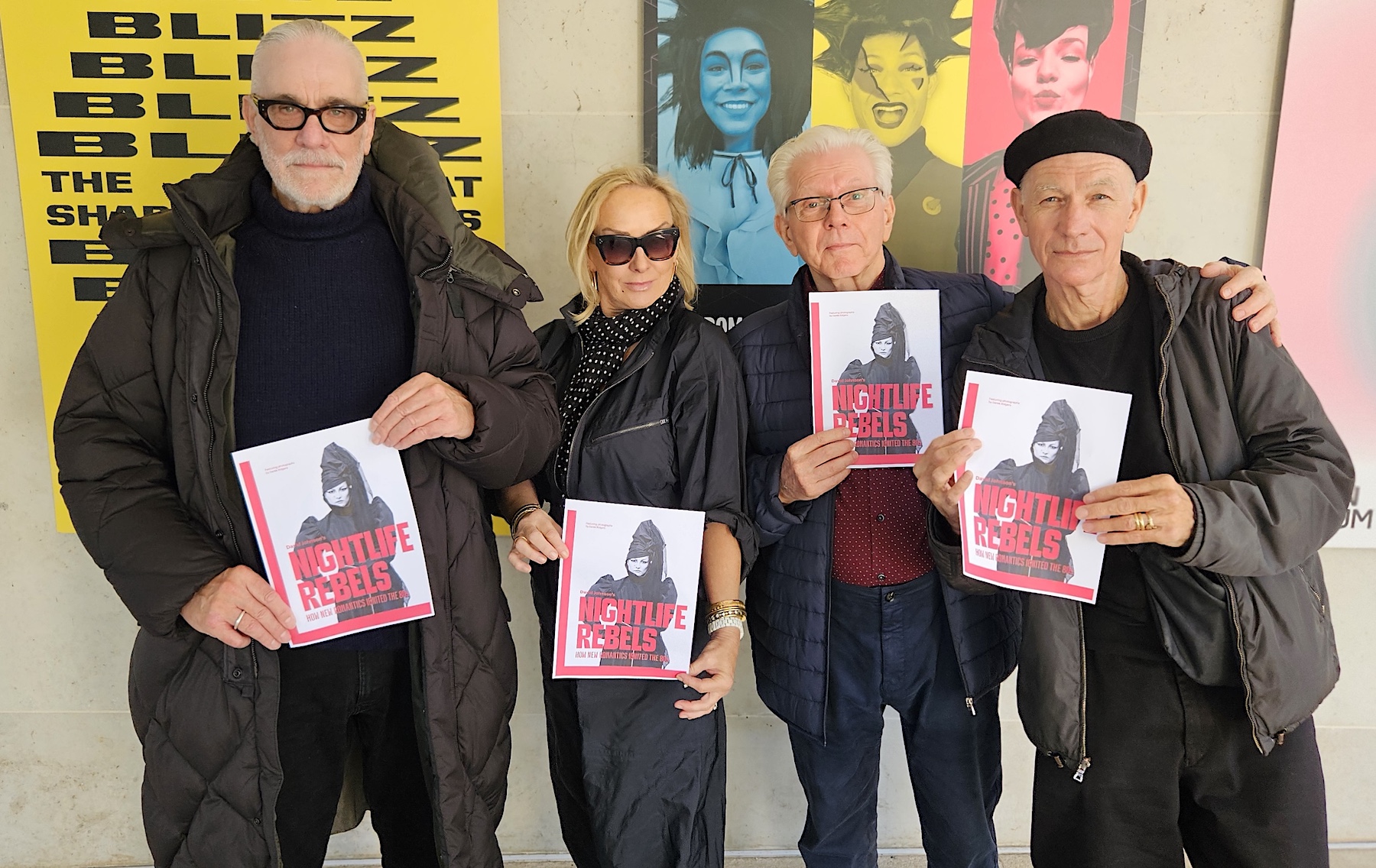
Contributors to Nightlife Rebels: Derek Ridgers, Kim Bowen, David Johnson and John Maybury. (Photo by David Jenkins)

❚ DURING THE SWINGING 80s two seasoned eye-witnesses watched Britain’s young ignite a glittering New Romantics revolution… Myself David Johnson as a Fleet Street journalist explored their intriguing carnival of style-setting cults across Britain, Paris and New York, while straight-up photographer Derek Ridgers captured the libertines in their dark dens.

Our new illustrated hardback NIGHTLIFE REBELS reveals the candid history of the celebrated Blitz Club’s hedonists who insisted “One look lasts a day”. Featuring unseen photos, stats, a unique timeline and Who Really Was Who.

Last week the book’s four chief contributors gathered for a team picture at London’s Design Museum where an exhibition about Blitz culture runs for six months and our book is on sale in its shop – The Design Museum

WHAT EACH OF US SAYS ABOUT THE 80s

“Some nights it was like walking into Hieronymus Bosch’s Garden of Earthly Delights” – Photographer Derek Ridgers, top left

Photography, fashion, clubbing, exhibitions, Social trends, Swinging 80s, Youth culture, newbook, New Romantics, Blitz Club, Blitz Kids,“A full night-time economy flourished around these clubs where graphic designers, artists, deejays, writers, producers and musicians of every kind refined and developed their skills by working with club-owners” – Stylist and costume designer Kim Bowen, former Queen of the Blitz, second left

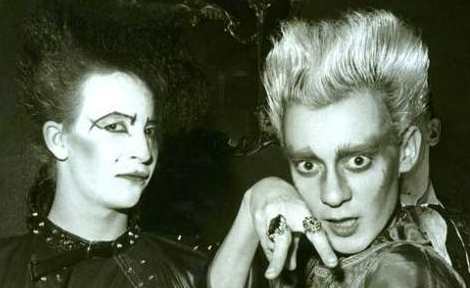
“In the shabby Blitz wine bar on Tuesdays precocious 19-year-olds presented an eye-stopping collage, posing away in wondrous ensembles, emphatic make-up and in-flight haircuts. This spectacle shouted newness” – Journalist David Johnson, third along

“Being photographed served as a kind of affirmation that your particular ‘look’ set you apart as a somebody” – Video artist John Maybury, and former Blitz star, pictured right

Photography, fashion, clubbing, Social trends, Swinging 80s, Youth culture, newbook, New Romantics, Blitz Club, Blitz Kids, David Johnson, Design Museum, Blitz Club exhibition,

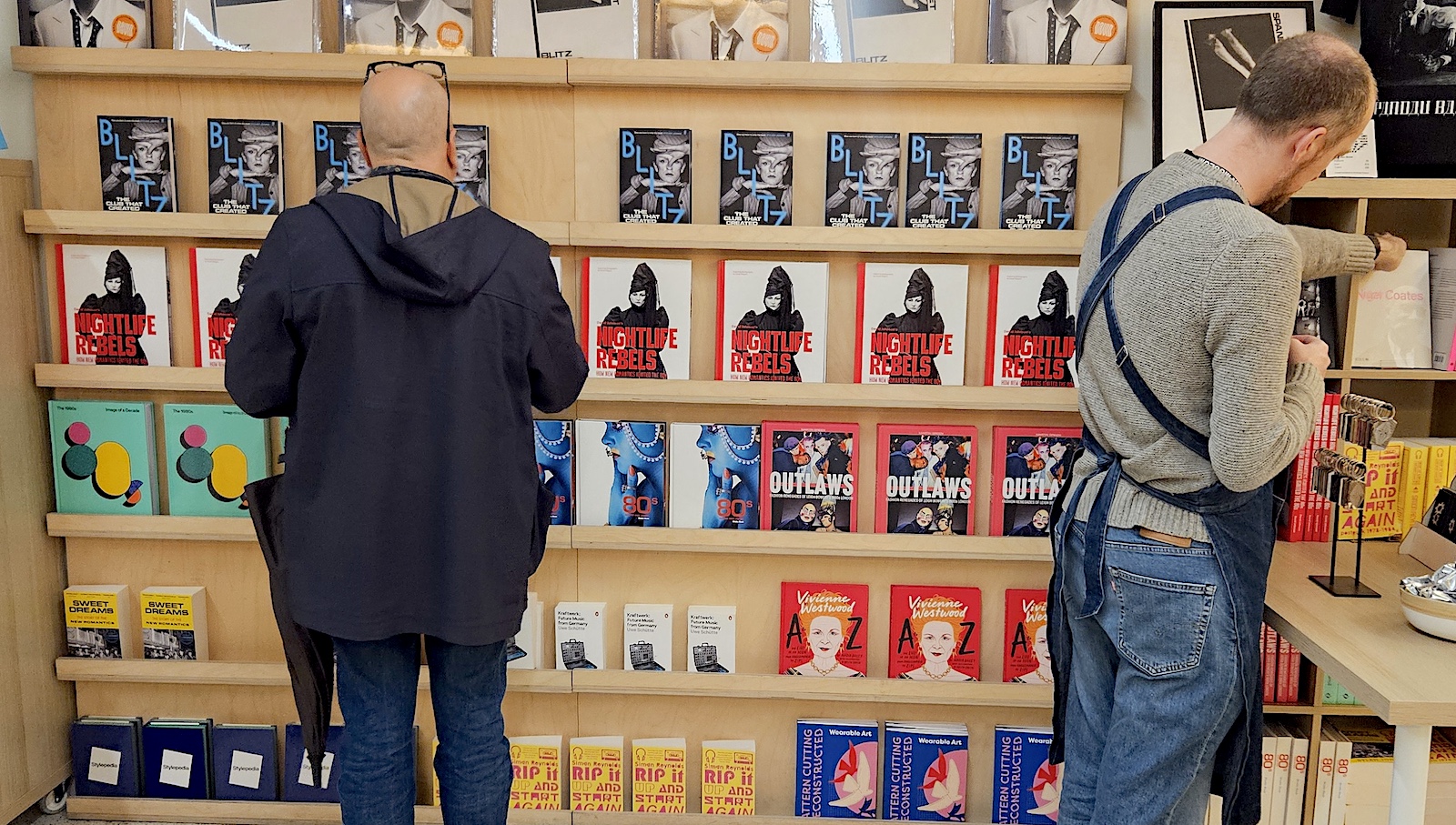
There’s our book on the second shelf at the Design Museum: Dare we assume the two lads thumbing through the options might have been Blitz Kids back in the day? (Photo by Shapersofthe80s)

➢ Previously at Shapersofthe80s: Here’s an extravaganza of a show to confirm the Blitz Kids’ place in history

FRONT PAGE

2025 ➤ Here’s an extravaganza of a show to confirm the Blitz Kids’ place in history

Blitz Kids, Clubbing, exhibitions, Fashion, influencers, London, New Romantics, Swinging 80s, Youth culture, Blitz Kids, Design Museum,

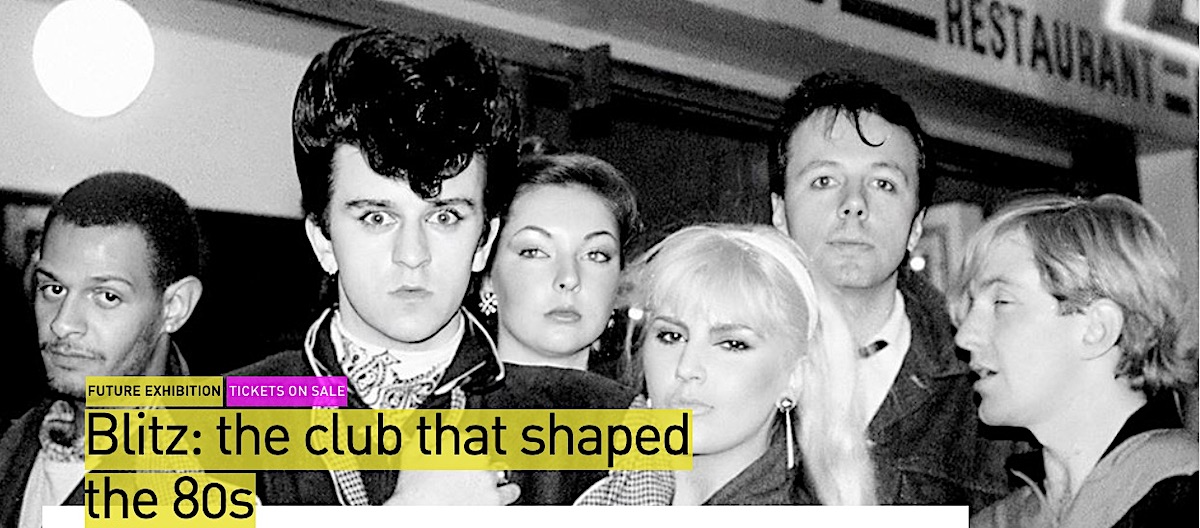
Blitz Club host Steve Strange: Posing outside his club with Visage and friends in 1979 – today promoting an exhibition. (Detail from photo by Sheila Rock)

❚ A HANDFUL OF EVER-STYLISH CLUBLAND POSERS stepped forward this week to help London’s Design Museum to announce its autumn exhibition titled Blitz: the club that shaped the 80s. It has been developed in close collaboration with the leading Blitz Kid and later costume designer Fiona Dealey, plus broadcaster Robert Elms, Spandau Ballet’s manager Steve Dagger and music executive Graham Ball, formerly one of Dagger’s firm – three clubland contemporaries who were the least like die-hard Blitz Kids! The trendy Tuesday clubnight which opened in Covent Garden’s Blitz wine bar in 1979 is best known as home to the New Romantics movement which revolutionised Eighties youth culture across fashion, music, media, film, art, design and retail.

The chapter some of us dubbed the Pose Age launched the careers of many talents, from hosts Steve Strange (who died in 2015) and deejay Rusty Egan to popstars Spandau Ballet, Visage, Boy George, Sade, Andy Polaris, and Marilyn, as well as key influencers Perry Haines, Chris Sullivan, Midge Ure, Iain Webb, and stylist Kim Bowen, couture milliner Stephen Jones and Game of Thrones costume designer Michele Clapton, deejay Princess Julia, Darla Jane Gilroy, Stephen Linard, Melissa Caplan, Judith Frankland, Dinny Hall, John Maybury, Cerith Wyn Evans, Simon Withers, Ollie O’Donnell, Richard Ostell, Paul Sturridge, Franceska King, Milly Dwit, Vivienne Lynn, Theresa Thurmer, Lesley Chilkes, David Holah and a hundred more.
Blitz Kids, Clubbing, exhibitions, Fashion, influencers, London, New Romantics, Swinging 80s, Youth culture, Blitz Kids, Design Museum,

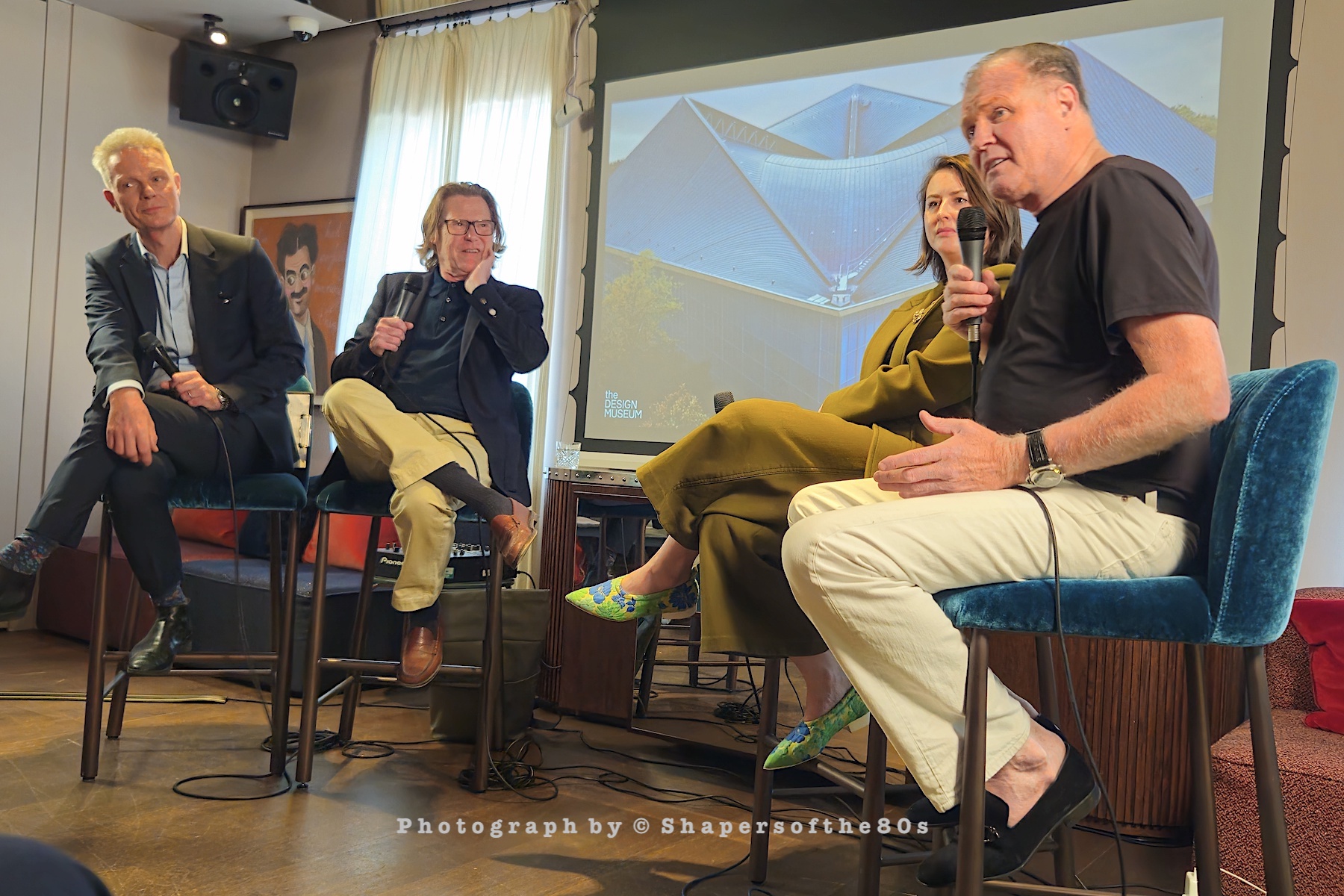
Press call: Tim Marlow, Robert Elms, Danielle Thom and Rusty Egan

The exhibition will feature over 250 items, many unseen by the public, ranging from clothing and accessories, design sketches, musical instruments, flyers, magazines, furniture, artworks, photography, vinyl records and rare film footage.

Yesterday’s press launch at the Groucho club proved one of the liveliest in a long while with spontaneous banter between the Museum director Tim Marlow, Robert Elms, Rusty Egan and curator Danielle Thom. They promised a sensory extravaganza which will surprise us when we walk into the exhibition.

Among other things, Elms reminded us how young his pals all were: “We were called Blitz Kids because we were kids, almost no one over the age of 21 – some of us 16/17… Most of us were really young and creative but also really mischievous. One of the things about the Blitz is that it’s sometimes portrayed as a bit po-faced, all these people posing – we were certainly doing that but it was anything but po-faced. It was scurrilous, dangerous, naughty, it was sexy, all those things.
Blitz Kids, Clubbing, exhibitions, Fashion, influencers, London, New Romantics, Swinging 80s, Youth culture, Blitz Kids, Design Museum,

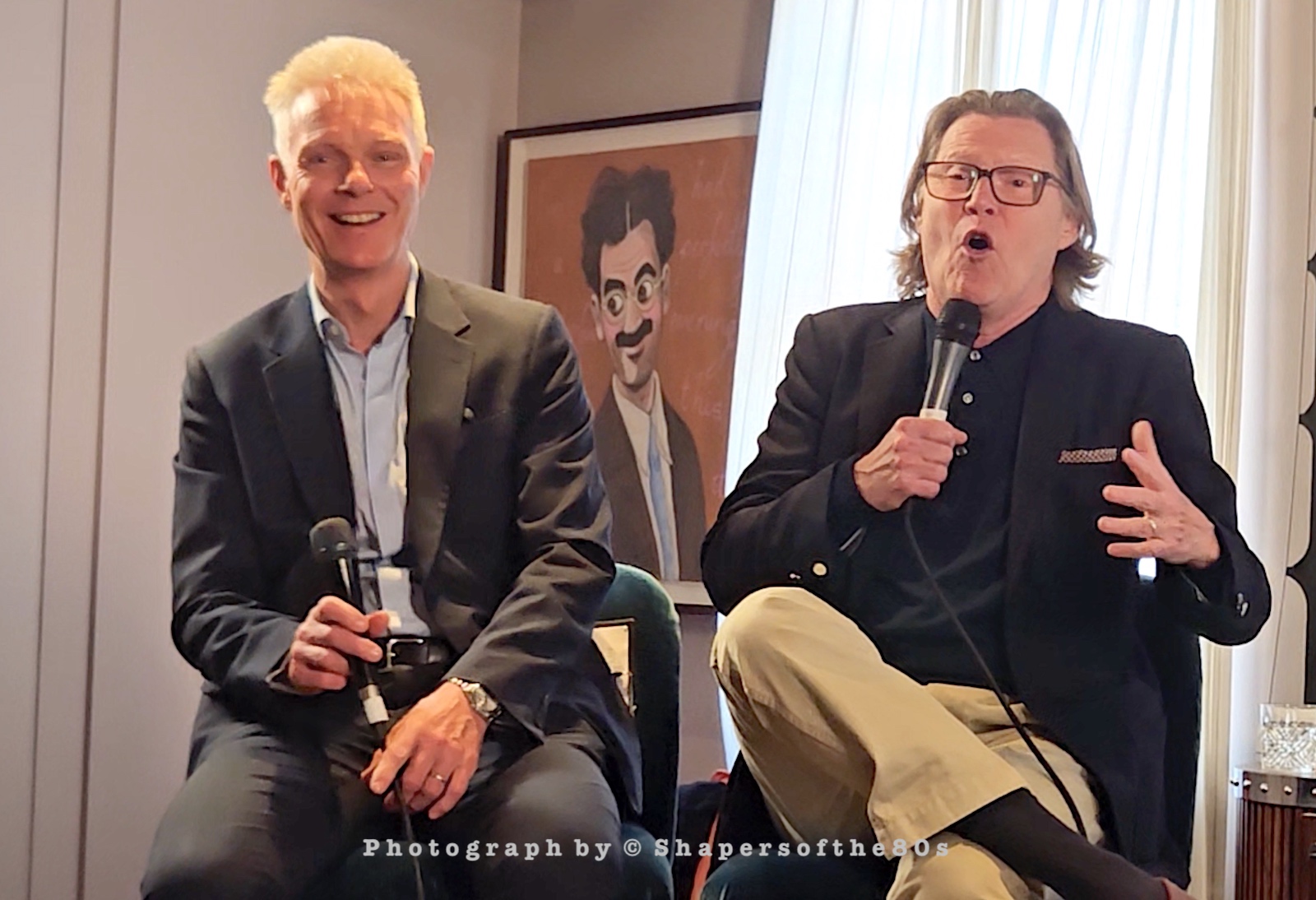
The Last Word: Robert Elms entertains museum director Tim Marlow (not to mention Groucho Marx, at rear)

“Rusty provided this wonderful backdrop. He never played too loud, so people could dance but at the front end you could still talk. I could get Steve Dagger in my ear saying ‘We’re going to take over the world!’ It wasn’t a disco but a club in the best sense of the word, of like-minded individuals.”

Egan proved as sentimental as ever, reminding us of the legacy of the 1970s: “A hundred kids were coming in on a Tuesday night in the Winter of Discontent. It was a very miserable time, it was also really miserable to be not sure if you’re a boy or a girl but ‘Hey man, Let’s go out into the night’ – and as a DJ I played songs which said ‘He was a she and then, Hey babe, take a walk on the wild side’ … Lyrics were very important as they were for the Rolling Stones in 1977 when disco was get up, stand up, boogie oogie. We wanted lyrics.”

Elms had the last word on the Blitz as the event came to an end: “My mates were quite cool. There were a couple of hundred Herberts and urchins, over-dressed, undervalued, who actually went on to define the decade. This is our place in history and this exhibition is overdue. It’s a recognition that this wasn’t just a load of silly kids with high hair.”

➢ Blitz: the club that shaped the 80s runs from
20 Sept 2025 until 29 March 2026 at the Design Museum
in Kensington. Tickets on sale now.

FRONT PAGE