
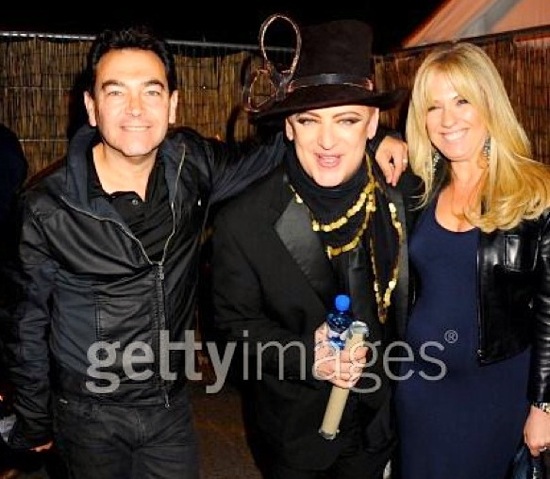
That Man in the Middle: George O’Dowd at his 50th birthday party with former Culture Club drummer and father of three children, Jon Moss and his wife Barbara. © Dave Benett/Getty
➢ Jarvis takes his lyrics to Eliot’s publisher Faber — video interview with Pulp’s songwriter
➢ Lest we forget: man has changed his ways since Peter Wyngarde cracked the sickest joke on vinyl
➢ Irrational, Professor Cox! Discussing science in a tent at Glastonbury?
➢ Martin Kemp’s Stalker gets autumn DVD release
➢ Heaven 17 remind us how electronic music can send the soul soaring!
➢ The Blitz Kids WATN? No 28: Stephen Linard, fashion designer

Back on tour: Pepsi & Shirlie in 1987, and this year photographed by Shirlie Kemp’s daughter, Harleymoon
➢ When Shirl asked Peps if she fancied an arena tour, Peps said to Shirl, Why not? — TV interview
➢ EPIC forecasts for the 2015 media landscape loom closer than we think
➢ Aside from the freaks, George, who else came to your 50th birthday party?
➢ One million people think Charlie really is SoCoolLike — meet the UK’s most popular YouTuber
➢ 1904, The day Nora made a man of Joyce — Bloomsday celebrated
➢ Boy George hits the big Five-0 and he now says, yes, he has ‘lots of regrets’

Cameron Jones: Paradise Point vocalist
➢ Hear about the many lives of Midge Ure, the Mr Nice of pop — This Is Your Life, 2001
➢ Mix your own version of Bowie’s Golden Years with a new iPhone app
➢ 2010, Lady Gaga ousts Lily Allen as UK’s most played artist
➢ Up close and cool — Paradise Point’s first official video wins Boy George’s approval

Pulp playing at St Martin’s: Jarvis Cocker bids farewell to his old art school at the best party for years. Grabbed from gstogdon’s YouTube video

 “Hyped as a radical reworking, Love was way more interesting to think about than to listen to (the album mostly just sounds off, similar to the way restored paintings look too bright and sharp). Love raised all kinds of questions about our compulsion to relive and reconsume pop history, about the ways we use digital technology to rearrange the past and create effects of novelty. And like Scorsese’s Dylan documentary No Direction Home, Love was yet more proof of the long shadow cast by the 60s, that decade where everything seemed brand-new and ever-changing. We’re unable to escape the era’s reproaches (why aren’t things moving as fast as they did back then?) even as the music’s adventurousness and innocence make it so tempting to revisit and replicate.”



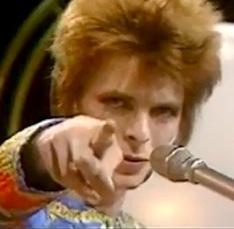
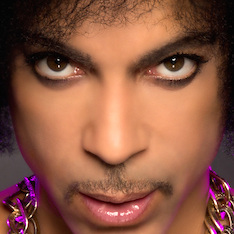

 ➢➢ Shapers of the 80s ➣➣