Category Archives: photography

➤ 40 years on, Ridgers casts an honest spotlight on the birth of punk

Derek Ridgers, punk ,Vortex , Clare Thom

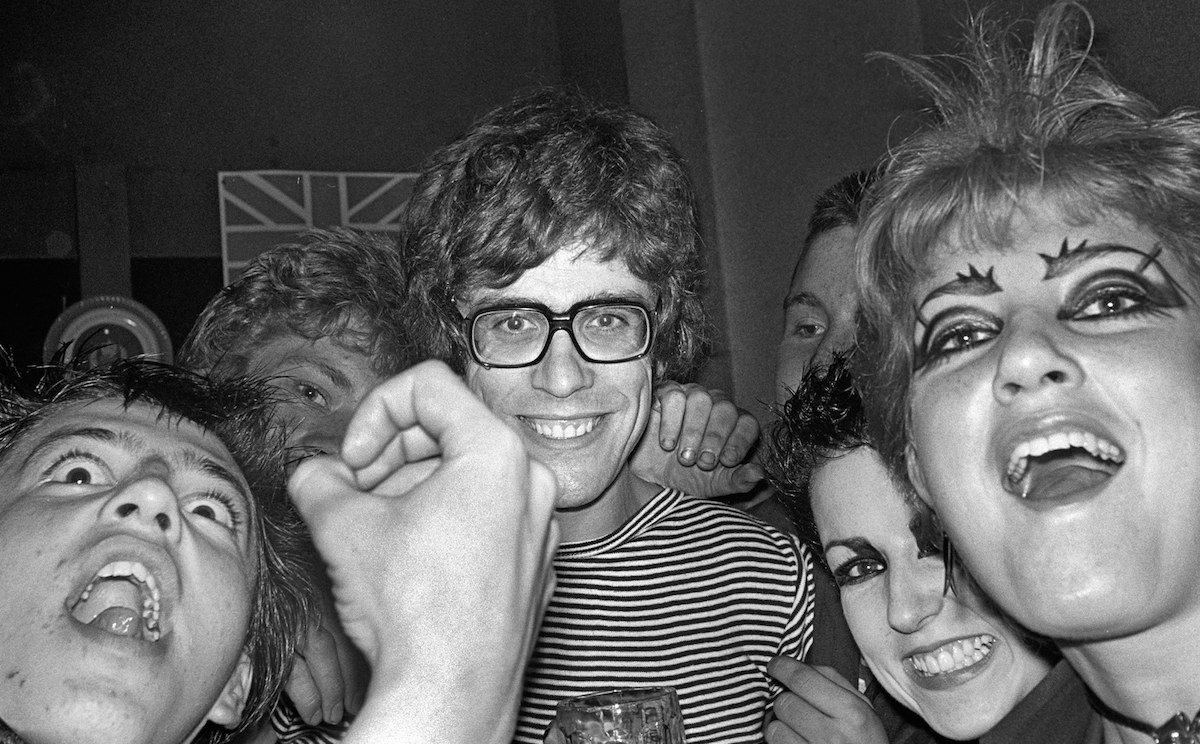
“I didn’t make a very good punk,” says photographer Derek Ridgers, here snapped by a passing punk at the Vortex in 1977, with future Blitz Kid Clare Thom at right

◼ THE CLICHES ABOUT PUNK are the rage, the nihilism, the safety pins. In fact, punk dawned in 1976, like all British youth cults, as a fashion statement that trumped those clichés. A new and powerful photo book from Derek Ridgers titled Punk London 1977 shows in 152 pages just how considered were its style leaders who had to invent their own iconoclastic looks before they could be bought off the peg. There were no mohican haircuts at the Roxy club when it opened in December 1976 and for 100 days became the platform for Generation X, the Clash, the Jam, the Heartbreakers, the Boys, Buzzcocks, Siouxsie and the Banshees and a raucous wave of rebel music that spread to Soho’s Vortex and the 100 Club.

Ridgers says: “In ’76 the audience became more interesting than the bands.” As he turned his camera away from the stage, he focused on the unique characters in the audience who were creating a new movement through self-expression. “Most of the early punks didn’t look like punks anyway. They just looked like young people who would alter their clothes: very often it would be school uniform or there would be bin liners, a few safety pins but not very many. The ethos of punk is really ‘Do it yourself’. It’s not dressing up in leather and having a mohican.”

Click any pic below to launch slideshow

The book launched last night in Mayfair with a vibrant exhibition of its photos and a swell party hosted by menswear designer Paul Smith and the British Fashion Council. Rightly Vogue.com asked Ridgers yesterday: What did you wear while documenting these kids? He replied: “Often I’d be going to gigs straight from work, so I simply wore what I’d worn there—usually a jacket, open-neck shirt, and jeans. I was not a punk by any means.” There’s a key picture of the Damned playing the Roxy in early 1977 where Ridgers is visible in the top right-hand corner, standing on the stairs, in glasses, open-neck shirt, cardigan, smiling. “I didn’t make a very good punk,” he says. No, just a very perceptive footnote to history!

Dazed Digital probed further and asked: Out of all the scenes you’ve photographed, which have you most felt part of? Ridgers replied: “There must be a part of me that wanted to be part of all of them. I see my photography as a very vicarious thing. I suppose if I didn’t wear glasses and if I’d been a little bit more of a macho type of guy, I would have been a skinhead. I don’t think I could’ve ever been a punk or a new romantic.”

As an observer he carved out his own beat along the labyrinthine path British youth culture took during the exotic 80s and became the go-to lensman for his take on more extreme outsider cults. Ridgers told Dazed: “There were a lot of photographers around but I stuck it out longer. Woody Allen said something about success is 80% just being there. It’s the thing with me – I was there. I can’t make any other claims apart from the fact that I was there. Through everything. On the edge looking in. With a camera I was able to stare with some legitimacy.”

The trash mag Polyesterzine asks Ridgers if he could compare today’s Zeitgeist to any of the eras he had shot. “No, not at all,” he replies. “The late ’70s and early ’80s was a very different, much darker time. The streets of London were a mess. The poor guy [I photographed] who had ‘We are the flowers in your dustbin’ tattooed across his forehead had it exactly right. They did all seem like the flowers in a dustbin. . . Things are very different now because a lot of those little clubs don’t exist. Soho for instance, where nearly half my nightlife photographs were taken, is rapidly changing. There isn’t the same after dark frisson of excitement about the place any more. Gentrification and the need for developers to maximise the profit from every square inch of the place means that there just aren’t any scruffy, little basement clubs left. Those scruffy, little basement clubs were the area’s lifeblood.”

➢ Punk London 1977 is published by Carpet Bombing Culture
Adam Ant, Jordan, Vortex, punk, Derek Ridgers,

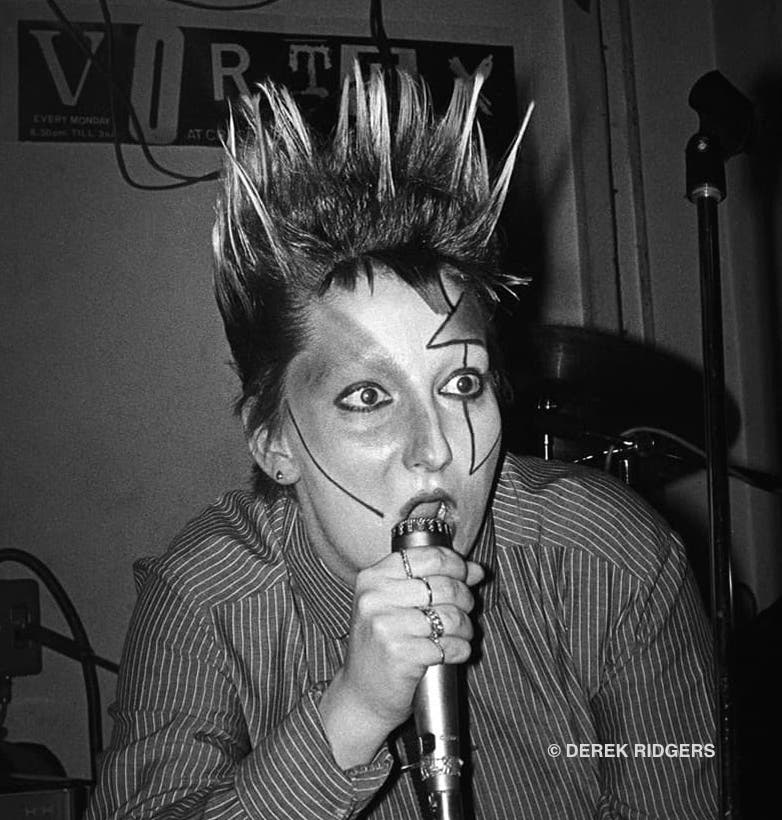
Derek Ridgers immortalises the night that the pioneering punk icon Jordan sang with The Ants at the Vortex, and says today: “They played far better music IMHO than when Adam became a big star in the 80s”

A GALAXY OF GALLERIES OF RIDGERS’ PIX

➢ At i-D – light on punk’s incendiary early days

➢ AllAccess Online in the cauldron of youth culture

➢ Dazed Digital pictures Punk London

➢ Accent shoots Brutus SS16 with Derek Ridgers
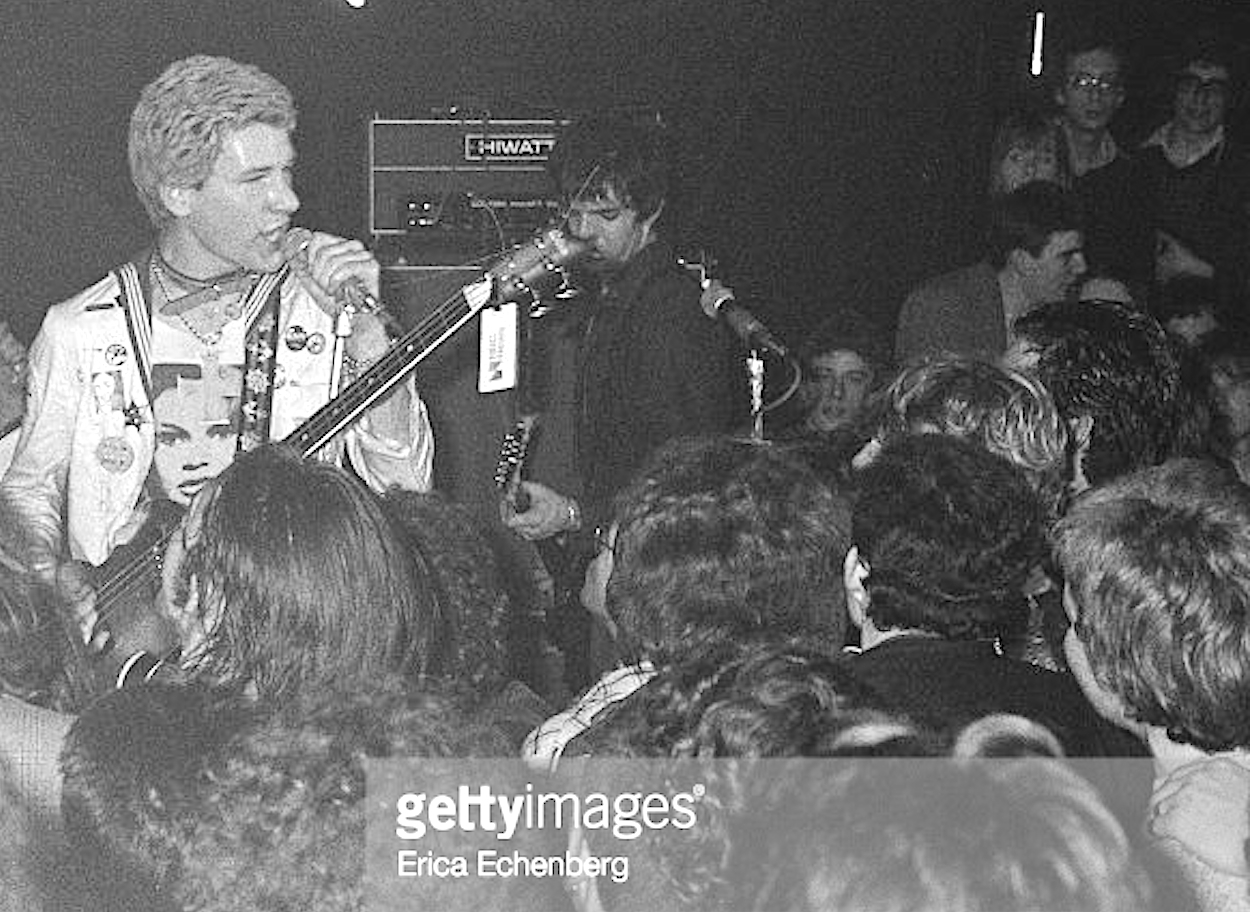
Captain Sensible , Damned , punk music, Roxy , Derek Ridgers

Captain Sensible fronts the Damned at the Roxy in 1977: spot Ridgers the cameraman top right in glasses and open-neck shirt. Photographed by Erica Echenberg
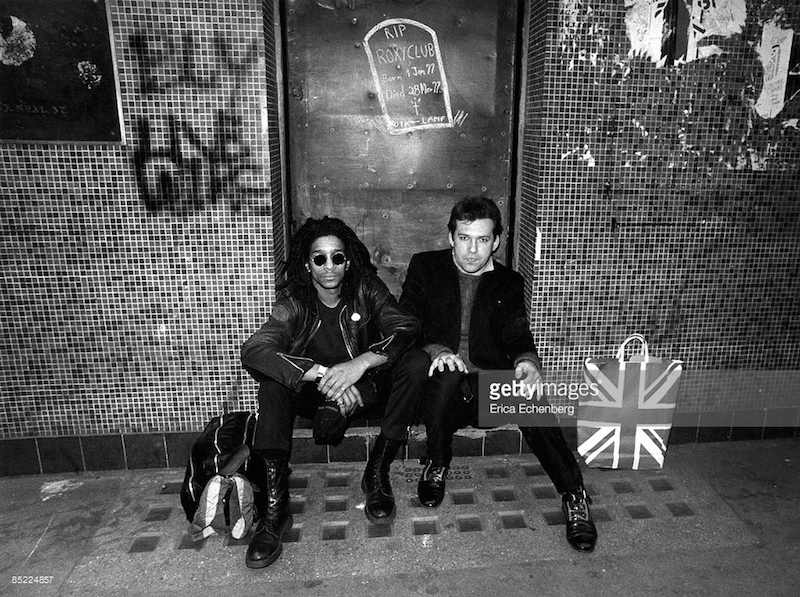
Don Letts, Andrew Czezowski , punk,Roxy

28 March 1977: deejay Don Letts and club promoter Andrew Czezowski outside the Roxy when it closed, three months after giving birth to punk. Photographed by Erica Echenberg

FRONT PAGE

2016 ➤ Bid for your own rare photo of David Bowie

David Bowie , exhibition, auction, Labyrinth, Photography,Chalkie Davies

1985: Bowie as Jareth the Goblin King in Labyrinth, photographed during filming by Chalkie Davies who says today that he “only shot this one single frame”

◼ FOR THE NEXT 12 DAYS in central London a free exhibition titled David Bowie: Fame, Fashion, Photography is showing previously unseen archive photographs of the pop icon who died in January. The event is organised by a supporter of Cancer Research UK and curated by the V&A, with the aim of raising money through a silent online auction of 27 lots, of which seven are actual-size contact sheets. All images are signed by their photographers – Chalkie Davies, Tony McGee and Denis O’Regan – who shared working relationships with our hero.

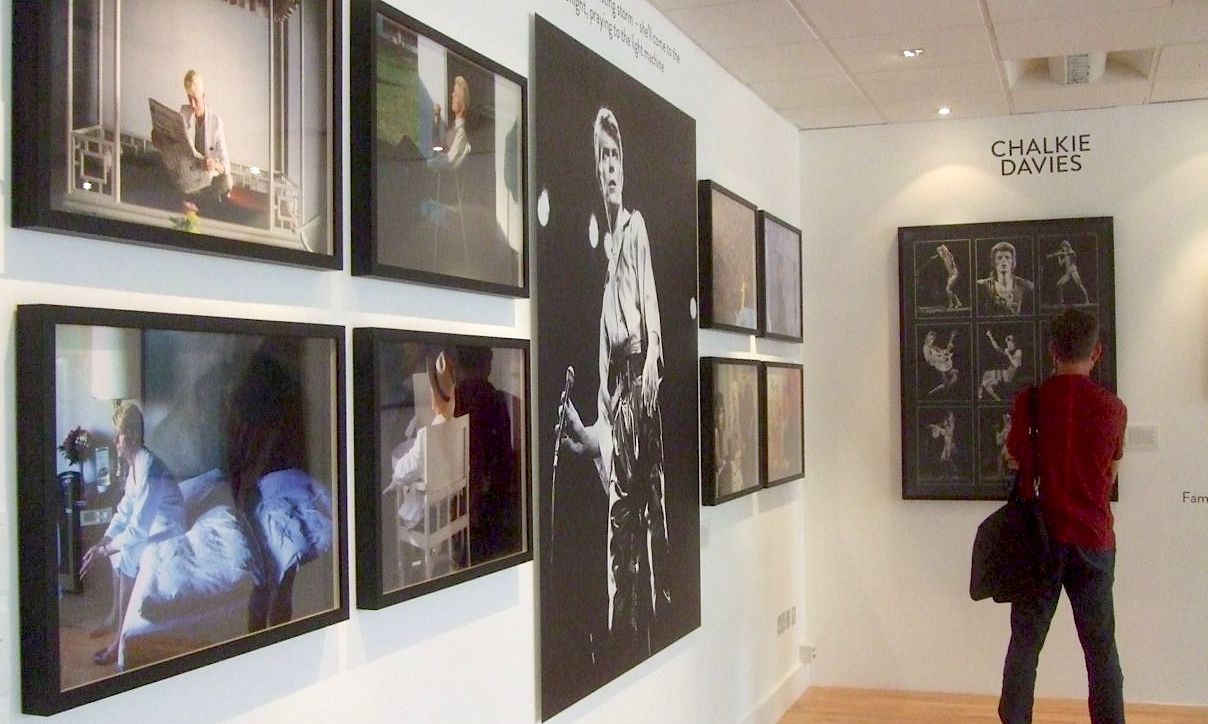
Three pictures in the room command serious attention: Davies’ stunning portrait of Bowie in the film Labyrinth has caught a unique sensual intensity, enhanced by the stylised goblin makeup. At 21 inches square, it is well worth the starting price of £2,500 set by the photographer. Another contribution by Davies groups within one frame nine strong images from Ziggy Stardust’s farewell concert in 1973 showing both Bowie and Mick Ronson live on-stage. Given that each shot measures roughly 10×14 inches, great value at a starting price of £3,000.

One of the largest photographs in the room is by Denis O’Regan: a potent live concert picture of the short-haired Bowie during his 1978 UK tour showcasing Low and “Heroes”. At six-foot square and mounted on aluminium, this black-and-white image is a snip at its £750 starting price.

David Bowie, Chalkie Davies, Tony McGee , Denis O’Regan photography , exhibition, auction, Cancer Research UK, Bidding in the auction continues online until the exhibition closes at 6:30pm on 19 June. While the lots have been framed and printed to museum quality, the auctioneer’s website proved confusing until it was pointed out that it failed both to identify the photographer alongside many photos and to specify what size of print a buyer would receive for opening bids that range between £350 and £3,000!

A limited-edition, numbered catalogue is on sale at the gallery which is in Heddon Street where Bowie was immortalised in 1972 on the album cover of The Rise and Fall of Ziggy Stardust and The Spiders from Mars. The exhibition space, donated by Regent Street and The Crown Estate, is described by Kevin Cann, author of the definitive guide to Bowie’s early life, Any Day Now, as “one of the natural gravitational points for many fans to pay their respect” after David’s passing.

David Bowie , exhibition, auction, Photography,Chalkie Davies, Denis O’Regan, Ziggy Stardust

Bowie, Fame, Fashion, Photography at The Hub: at left, Denis O’Regan’s wall of images with his 1978 performance picture at centre. On the far wall is Chalkie Davies’s montage of nine Ziggy Stardust stage images from 1973

➢ The exhibition Bowie, Fame, Fashion, Photography runs 7–19 June at The Hub, 10 Heddon Street, W1B 4BX and is free, but a timed-admission ticket is required by registering online at Eventbrite. What a palaver! 7 June update: Just after midday on the show’s first day there were 17 visitors in the gallery. Ten minutes later there were only five.

FRONT PAGE

2016 ➤ Telling it like it is, Mister Nightlife aka Swindells Junior

Dave Swindells,exhibition, talk, Doomed, nightlife, London

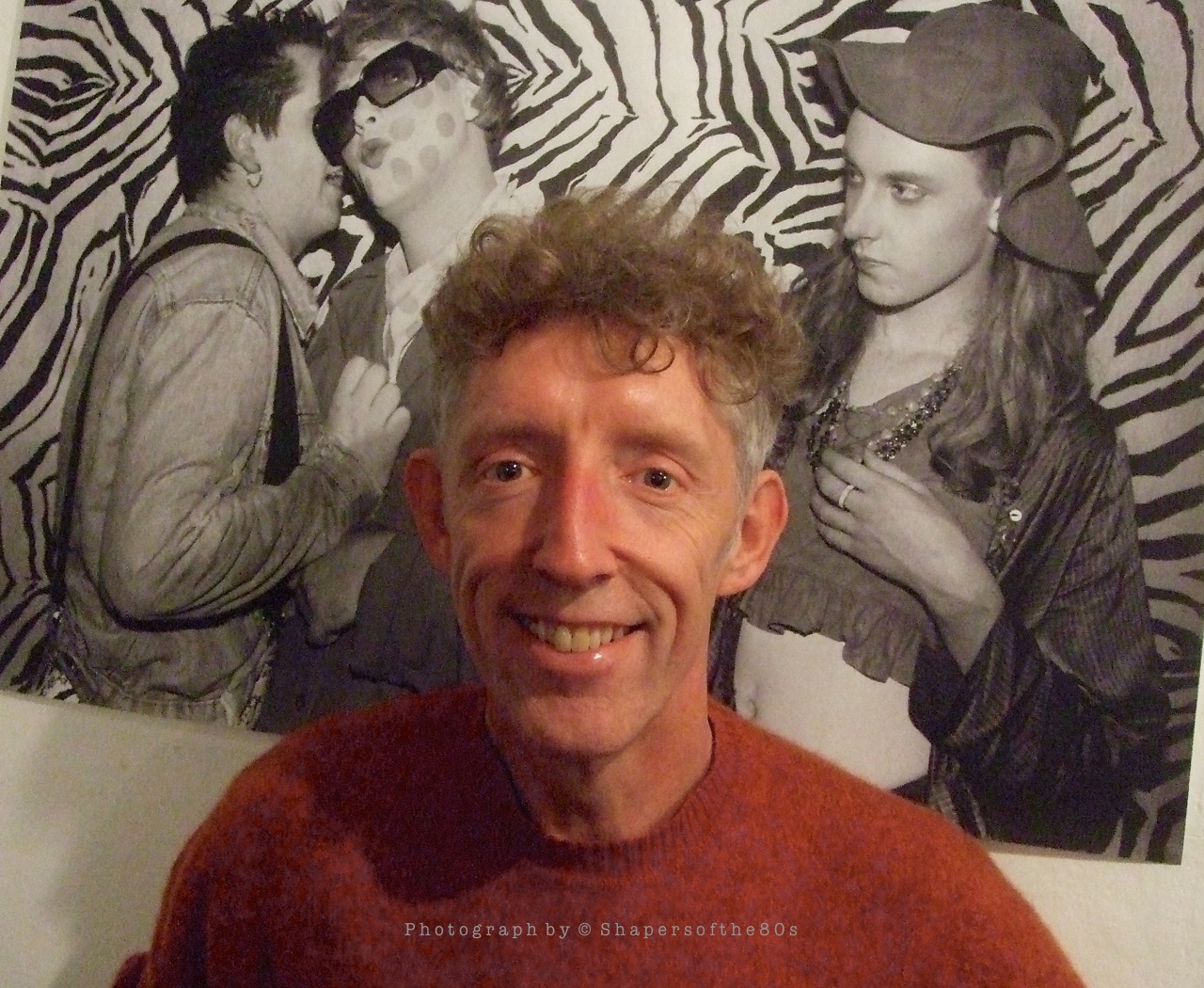
Dave Swindells at Doomed, in front of one of his photos of Taboo in 1985: “It was such an adventure, a crazy night in terms of what happened there, partly because there would be a whole suitcase load of ecstasy” (Photo by Shapersofthe80s)

◼ WE FIRST MET, I VAGUELY RECALL, at the Leadmill in that damp autumn of ’82 when Dave Swindells was still a student at Sheffield Uni. I was the hotshot “Man from The Face” doing a whistle-stop tour of Sheffield clubs for my monthly Nightlife column in Britain’s coolest subcultural magazine, so I was quite used to people standing in front of my camera trying to get into shot. Swindells on the other hand turned his back on me while he lined up his Kodak Box Brownie in a pathetic attempt to capture some new-wave synth band on the barely lit stage. I smiled smugly to myself at his teen gaucheness and leaned in paternally to whisper the advice I’d gleaned from another snapper of the night, Richard Young, himself emerging as the celebrity paparazzo we know and love today: “Give give it f/8 and push the film in the developer.”

The grateful Swindells gushed his thanks and asked: “Please, sir, how do I get into photography for a living?” – “Stick to what you know,” I replied sagely. “Why not photograph what your friends get up to at night?” Ha! I knew full well dark clubs were a nightmare to capture on the slow film of those years before digital, when the trickiest part was having to use flash at close quarters, which reduces faces to a white blotch.

Dave Swindells, Dalston, Doomed Gallery, talks, exhibition,nightlife, photography,

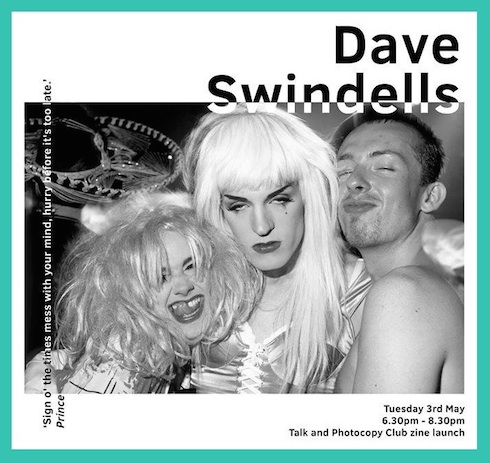
Flyer for the Swindells talk on Tuesday: explain this lot, Dave!

Within two years the little bastard had stabbed me in the back and was toting a very upmarket Pentax as Nightlife Editor of Time Out magazine – a job he then hung onto for the next 23 years!!! His photographs have been featured in i-D, The Face, The Observer etc, while swanning round the world on travel freebies. I’ve been kicking myself ever since.

Next Tuesday 3 May he’ll be telling us all how on earth he got away with it for so long. He’s giving a talk at some achingly on-fleek gallery in Dalston called Doomed, where there’ll be a display of photos and a limited edition Photocopy Club zine to take away. Dave’s title is “Keeping It Real” and he promises “a fascinating insight into the trends, attitudes, and nuances of London’s clubbers. Evocatively shooting the emergence of the rave scene in the late 1980s, Dave follows the journey from the wild attitude of rave to the night-time antics of modern day”.

Frankly, I can’t think of anybody better qualified to tell the tale of the past three decades of hedonism pursued to the hilt as only the Brits know how. Dave’s the one who’s got the proof in pictures, and how.

➢ Swindells keeps it real, 3 May from 6.30pm to 8.30 at Doomed Gallery, 65 Ridley Road, London, E8 2NP

6 May update: Catch Dave’s talk at Vimeo

https://vimeo.com/165431124

FRONT PAGE

➤ Spicy new survey from Derek Ridgers celebrates the wild hours between dusk and sunrise

books, Carpet Bombing Culture,photography, nightlife, London, UK, youth culture, street style, Dark Carnival, Derek Ridgers

Clubbers at the Astoria in 2000 photographed by Derek Ridgers


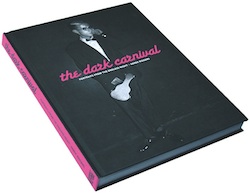
◼ HERE’S A PROMO VIDEO FEATURING some preposterous talking heads who include photographer Yasmine Akim and dancer Constantine Flowerz, describing a new large-format book of spicy photographs from Derek Ridgers’ travels through London clubland… The Dark Carnival: Portraits from the Endless Night is being published next week by Carpet Bombing Culture.

books, Carpet Bombing Culture,photography, nightlife,London, UK, youth culture, street style, Dark Carnival, Derek Ridgers, If you’re in it, you’ll be on the list for the launch party on Friday 27th from 5pm at the Lights of Soho gallery, followed on by a free Soho Swag night from 9.30pm at the 68 and Boston bar at the top end of Greek Street, hosted by 80s shapers Christos Tolera and Chris Sullivan.

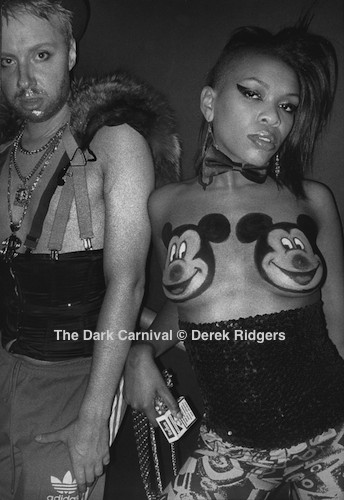
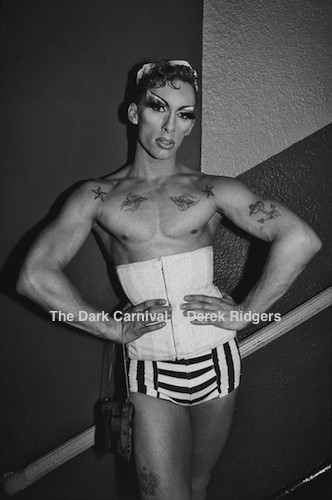
The Dark Carnival is Derek’s second book published this month. He modestly calls it “my 40-year wander through nightclubs” but this delicous cornucopia selected by Derek himself proves much more of an adult shocker where anything goes on the themes of sexuality, seduction and shame (lack of), with eye-poppers shot at Anarchy, Smack, Submission, Wacko, Wicked, Rubber Ball and coming right up to date at Torture Garden.

➢ Buy The Dark Carnival direct from Carpet Bombing Culture, 216 huge pages for £30

photography, nightlife, London, UK, youth culture, books, Carpet Bombing Culture,street style, Dark Carnival, Derek Ridgers

Anonymous clubber in Brixton 2011 photographed by Derek Ridgers

AUDIO UPDATE: ROBERT ELMS INTERVIEWS DEREK ON BBC RADIO LONDON 9 dec 2015

+++
Q: Does this kind of nightlife still exist?

“Yes it does. It’s not quite so focussed today and readily categorisable. Hardly any of the little basement clubs are left in Soho. I think the St Moritz is the only one” – Derek Ridgers on BBC Radio London

FRONT PAGE

1980s ➤ The Ridgers lens lays bare the pursuit of love

The Others, Derek Ridgers, Idea Books, youth culture, nightlife, London, Swinging 80s, Dover Street Market, photography, style,

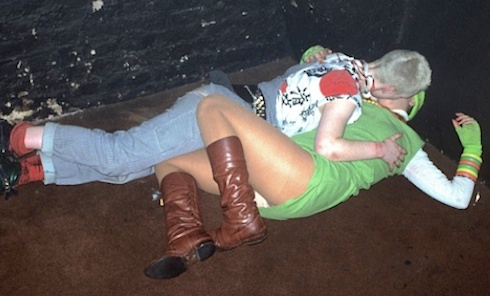
London 1984: if this is you, come to the party! Photo © Derek Ridgers

◼ IF THIS PHOTO SHOWS YOU perfecting the horizontal jig in a London club in 1984, you’ll find yourselves immortalised in the latest book by photographer Derek Ridgers, titled The Others. The collection captures young love in all its clubland guises and if you spot yourself in this gallery why not email info [a t] idea-books.com and ask to come to the London launch this Thursday, 19 Nov?

Between 1980 and 1986 Ridgers and his candid lens couldn’t help following the pursuit of romance among the lovers, the loveless, the lonely and the last to leave in nightclubs as disparate as Gossip’s, Planets, Great Wall, Batcave, Feltham Football & Social Club, Flick’s, Lyceum, Le Beat Route, Camden Palace, Taboo and many more.

These snogging couples represent Britain’s many subcultural tribes who expressed distinct affinities in the early 80s through personal style and musical tastes. The book’s foreword says its intriguingly contradictory title describes the “other” clubbers who had enough attitude *not* to get rejected by the greeters on the doors of London’s finest clubs. It would make more sense to call these kids The Chosen Ones. Once inside a club, however, they got their priorities right and relegated posing into second place behind the down-to-earth goal that was really on their minds.

The Ridgers images capture all the fun and frailty and the frissons of exploring your youthful identity among like-minded tribalists in ways the publisher was probably trying to nail: a sense of “otherness” that characterised many subcultures in that austere and intolerant era. Whether brave or tentative, outsiders or players, they were helping shift attitudes in dark and stylish cellars across the land. They re-energised Britain by mobilising the talents in which the young excel: through music, clothes, haircuts and romance.

The Others is priced £35 for 124 pages in a limited edition exclusively available at Dover Street Market London and New York, Ginza and the Comme des Garcons Trading Museum in Paris, as well as Marc Jacobs’ Bookmarc stores in New York, Los Angeles, London, Paris and Tokyo. And online from Idea Books.

The Others, Derek Ridgers, Idea Books, youth culture, nightlife, London, Swinging 80s, Dover Street Market, photography, style,

Big hair, 80s-style: Mohican and his captive. Photo © Derek Ridgers

FRONT PAGE