Tag Archives: 1000 Makers of Music

2024 ➤ Ahaaaah! 25-year-old stage musical Mamma Mia! confirms ABBA’s genius

❚ WHETHER YOU LIKE ABBA’s SONGS or not, the scale of the West-End musical MAMMA MIA!’s success is staggering. Over 25 years it has been seen by 70 million people in 450 cities across the world, in 16 different languages. At the box office, the show has made £4.5 billion. Yes, billion !!!

So not to have seen this award-winning show is quite a feat, I am ashamed to admit. Yet on the 25th anniversary performance of MAMMA MIA! this weekend at London’s Novello Theatre I was blown away by the sheer energy and quality of this showbiz landmark, with its 34-strong cast of athletic dancers and powerful singers (especially Mazz Murray playing free-love mother Donna) plus an astonishing live orchestra. Here was the essence of full-on theatre.

What was rare for a stage musical was that the audience already knew almost every one of the show’s 22 numbers, written during the decade after ABBA won the Eurovision song contest in 1974 with Waterloo. Yet the lyrics repeatedly proved to be eye-openers during MAMMA MIA!, acting as dialogue to provide a dramatic family plot around a young girl’s marriage on a sunny Greek island.
Mamma Mia!, ABBA, 25th anniversary, Novello Theatre, London, Mazz Murray,

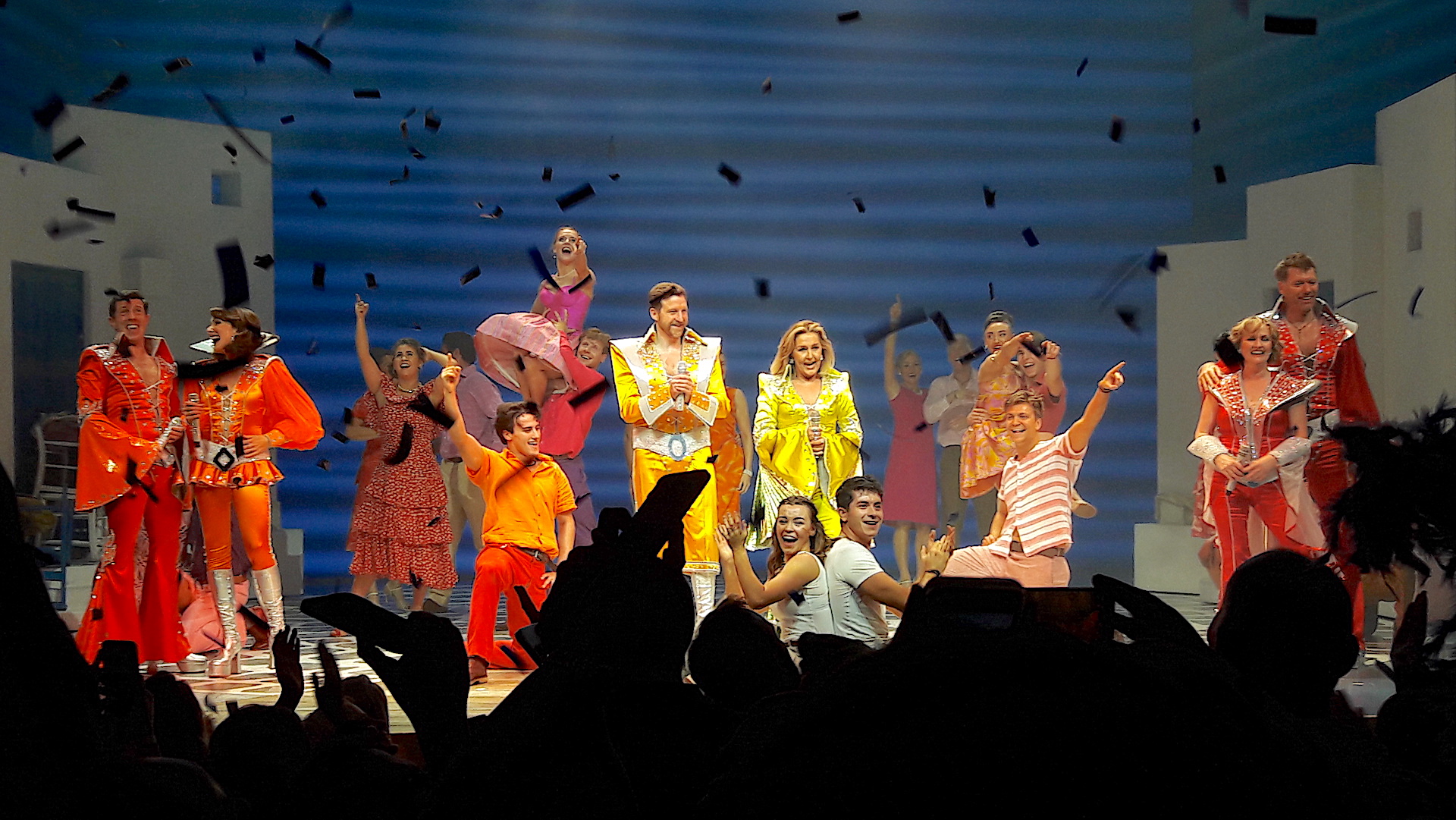
MAMMA MIA! at 25: A ton of tinsel pours down onto the audience during the many encores ending the London show. (Photo © Shapersofthe80s.com)

Mamma Mia!, ABBA, 25th anniversary, Novello Theatre, London, Judy Craymer, Catherine Johnson, Mazz Murray,

MAMMA MIA! at 25: During the encores to the London show’s creator Judy Craymer introduces Catherine Johnson who wrote the book for the musical. (Photo © Shapersofthe80s.com)

Crucially many songs were injected with a comic twist, as with Take a Chance on Me and indeed Honey Honey which, the programme tells us, had Björn Ulvaeus – its co-author along with Benny Andersson – falling off his chair laughing and insisting “I didn’t write this as funny!” On an emotional level there were several truly tear-jerking moments as the family saga unfolded, prompted by songs such as Knowing Me, Knowing You and The Winner Takes it All.

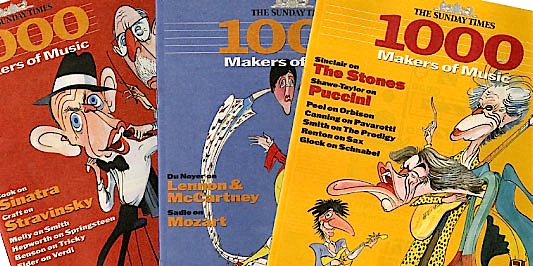
Given that today the four members of ABBA are multi-millionaires, it’s ironic that I profiled them as the first entry in an A-to-Z Sunday Times partwork titled
1000 Makers of Music in 1997 by noting that as Swedish journeyman songsmiths in the Seventies their sing-along melodies epitomised Europe’s dreaded folkloric tradition – in contrast to Anglo-American guitar heroes who mouthed youthful dissent. Nevertheless during their breakthrough decade before disbanding ABBA scored eight consecutive No 1 albums in Britain and 25 Top 40 singles, so catchy that everybody could hum one. A decade further along, the quartet had acquired cult status as exponents of what we had grown to appreciate as “pure pop”.
Mamma Mia!, ABBA, 25th anniversary, Novello Theatre, London, Björn Ulvaeus, Mazz Murray,

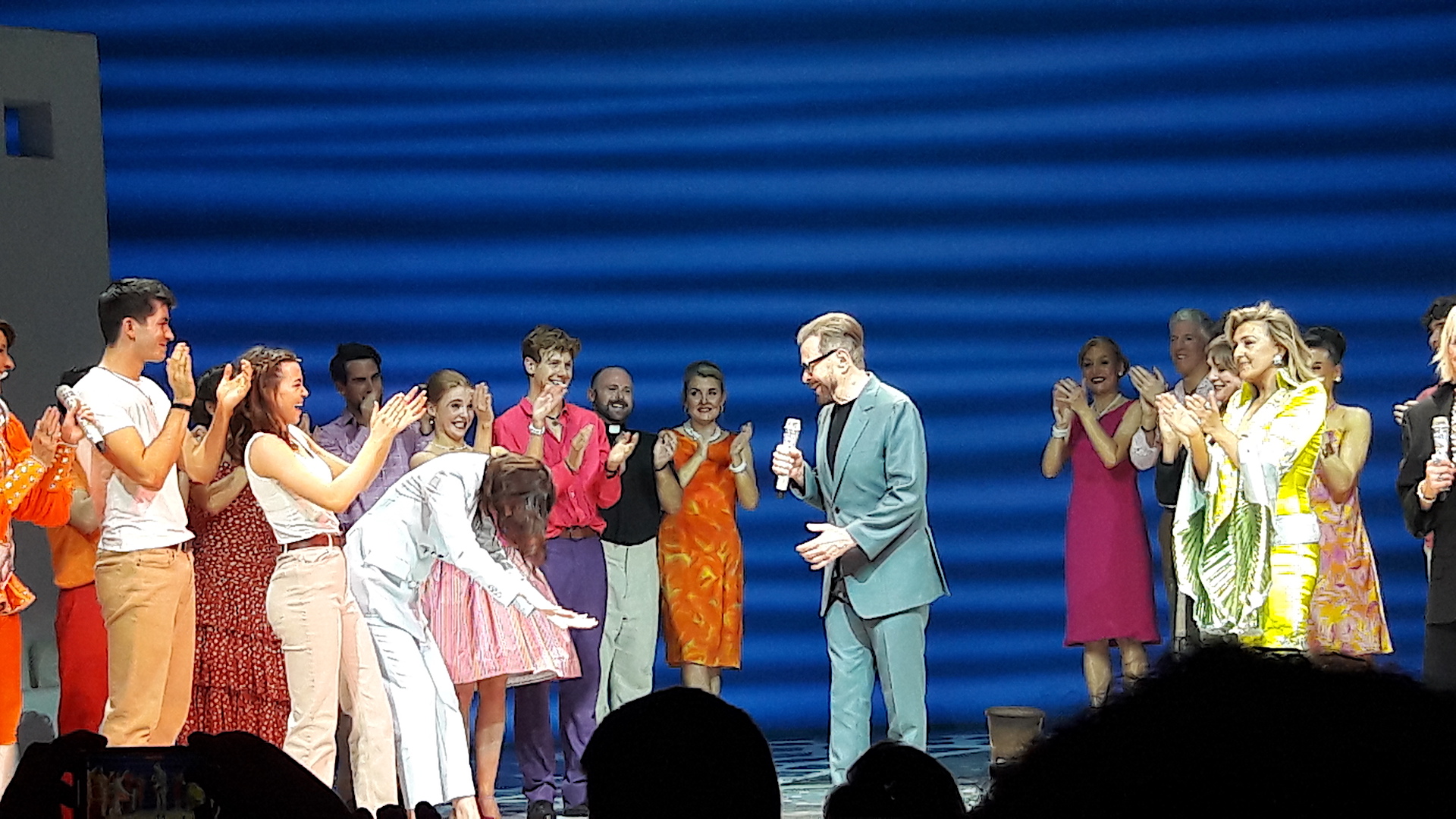
MAMMA MIA! at 25: After the encores to the London show one of its lyricists, the modest Björn Ulvaeus, gives thanks for its success and accepts a bow from one of the cast. (Photo © Shapersofthe80s.com)


In 2023 ABBA were awarded the BRIT Billion Award which celebrates musicians who have achieved one billion UK streams in their career. Today they stand tall among the best-selling artists in music history. Last month, all four members of ABBA were appointed Commander, First Class, of the Royal Order of Vasa by His Majesty King Carl XVI Gustaf of Sweden. This is the first time in almost 50 years that the Swedish Royal Orders of Knighthood have been bestowed.
➢ Info about MAMMA MIA! at London’s Novello Theatre

FRONT PAGE

➤ When the Blitz Kids blessed Abba and conferred their cult status

❚ ON THE 20TH ANNIVERSARY of The Sunday Times publishing its encyclopedic Abba-to-Zappa partwork, 1000 Makers of Music, let’s recall the first pop biography in its 1,000 music-makers. The Swedish four-piece Abba won the Eurovision contest in 1974 with their Waterloo wall of sound, not to mention instant celebrity for their self-selected kitsch costumes from the age before stylists had been invented. We’ve dug out from the vaults my assessment of Abba to remind us how these deeply embarrassing Scandinavians went on to transform their reputation from cheesemakers to the most ironic definition of Pure-Popsters!

Within a decade Abba were utterly rehabilitated in the UK by London’s subcultural opinion formers. Most memorably, Shapersofthe80s witnessed (sadly without a camera to hand) an immaculate recreation of Abba’s Dancing Queen video by clubland’s coolest Blitz Kids cutting the rug at designer Fiona Dealey’s 1983 birthday party. Spontaneously, movers and shapers such as Dylan Jones not only fell into dance formation but knew all the words, plus Agnetha and Anni-Frid’s hand moves too! It was, in that frozen moment of time, a shockingly unbelievable sight. It marked the birth of a much-loved cult.

Abba, pop music, Eurovision

1000 Makers of Music: six-week partwork from The Sunday Times

FROM 1000 MAKERS OF MUSIC, MAY 1997:

Abba – Swedish, 1973-82, vocal group

As cheesy now as when they won the 1974 Eurovision song contest singing Waterloo, Abba embody a perennial contradiction: you may make the quintessential pop music of the decade but you must remain for ever a bad joke if that era proves as tasteless as the 1970s. Abba’s lovingly coupled foursome – the acme of glitz in their satins and flares – were derided because Benny Andersson and Björn Ulvaeus, as journeymen songsmiths, wrote singalong melodies epitomising Europe’s dreaded folkloric tradition. Worse, their sentimental lyrics about love and money – in English – nauseated purists who preferred Anglo-American guitar heroes who mouthed youthful dissent.

Yet Abba scored eight consecutive No 1 albums in Britain and 25 Top 40 singles so catchy that everybody can hum one. In 1992 Abba’s hits were revived ironically by Erasure and ingenuously by a tribute band called Björn Again. Today Abba enjoy cult status in Britain as new generations, numbed by the joylessness of techno and talent contests, recycle yesteryear’s kitsch to discover ecstasy in pure pop.

❏ Keywork: Knowing Me, Knowing You (1977)

MORE PURE-POP AT SHAPERS OF THE 80S:

➢ Kylie dazzles London with laser-love
➢ Wise words for Only The Young from PJ (he’s The Daddy)
➢ My pantry, my memoir – ‘Scoop’ Simper relives the flamboyant decadent 80s

➢ 1000 Makers of Music; Steve Dagger on Duran Duran
➢ 1000 Makers of Music: Robert Craft on Stravinsky
➢ 1000 Makers of Music: John Peel on Smith and The Fall

FRONT PAGE

➤ The Rite that caused a riot: shocking in 1913, thrilling still

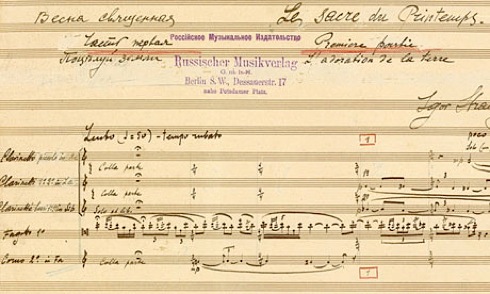
A section of a facsimile of Stravinsky’s manuscript for Rite of Spring, which was published this year to mark the centenary

Section of a facsimile of Stravinsky’s manuscript for The Rite of Spring, which was published this year to mark the centenary

❚ IF IT’S GOOD ENOUGH FOR The Guardian’s front page 100 years after the event, readers of Shapersofthe80s will want to know about it. Here’s a fulsome appreciation by the leading British composer George Benjamin on the pivotal piece of music which was premiered 100 years ago today in Paris by Diaghilev’s Ballets Russes, why it caused a riot by the audience and became a model for masters who followed…

➢ How Stravinsky’s Rite of Spring has shaped 100 years of music – from today’s Guardian: Piece first performed in Paris exactly 100 years ago, emblematic of era of great scientific, artistic and intellectual ferment

The Rite of Spring was a revolutionary work for a revolutionary time. Its first performance in Paris, exactly 100 years ago, was a key moment in cultural history – a tumultuous scandal. Written on the eve of the first world war and the Russian revolution, the piece is the emblem of an era of great scientific, artistic and intellectual ferment. No composer since can avoid the shadow of this great icon of the 20th century, and score after score by modern masters would be unthinkable without its model… / Continued at Guardian Online

➢ The Rite live tomorrow night on BBC Radio 3

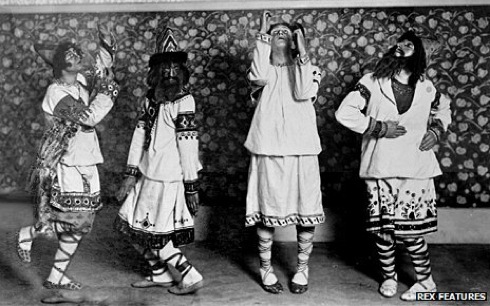
Choreographer and dancer Vaslav Nijinsky, left, in the original Rite of Spring performed by the Ballets Russes

Choreographer and dancer Vaslav Nijinsky, left, in the original Rite of Spring performed by the Ballets Russes

➢ Did The Rite of Spring really spark a riot? – BBC News Magazine:

Lydia Sokolova, one of the dancers said the audience came prepared: “They had got themselves all ready. They didn’t even let the music be played for the overture. As soon as it was known that the conductor was there, the uproar began,” she said in an interview recorded in 1965… / Continued at BBC Online

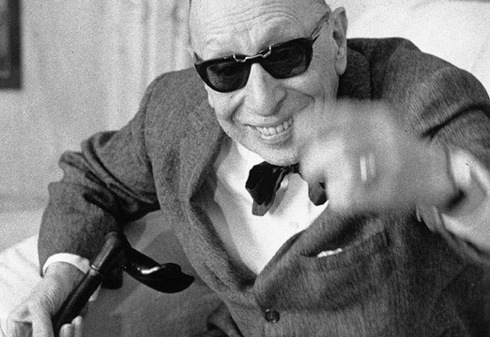
Igor Stravinsky on The Rite: “The 8-notes chord is new, but the accents are even more new ... Give it 100 years”

Igor Stravinsky on The Rite: “The 8-notes chord is new, but the accents are even more new … Give it 100 years”

❏ Robert Craft, now aged 89, the composer’s American confidant, wrote this immaculate summary of Stravinsky for 1000 Makers of Music (Sunday Times partwork published in 1997):
In 1913, The Rite of Spring changed the rhythmic language of music: it is an epicentre of 20th-century modernism. Stravinsky’s music ranges widely, from the exaltation of Symphony of Psalms to the farcical fun of Renard, from the tenderness of Pulcinella, the deeply felt love-music of The Rake’s Progress to the grace of Apollo. The music is lyrical both in dramatic forms (Oedipus Rex) and purely instrumental (the violin-piano Dithyramb), and all of it dances as it sings. The ludic element (Circus Polka) is considerable, but much less so than the religious (Mass) and the humanist (Petrushka). Stravinsky’s influence is alive and immeasurable. He once said: “Music is the best means we have for digesting time.”

FRONT PAGE