
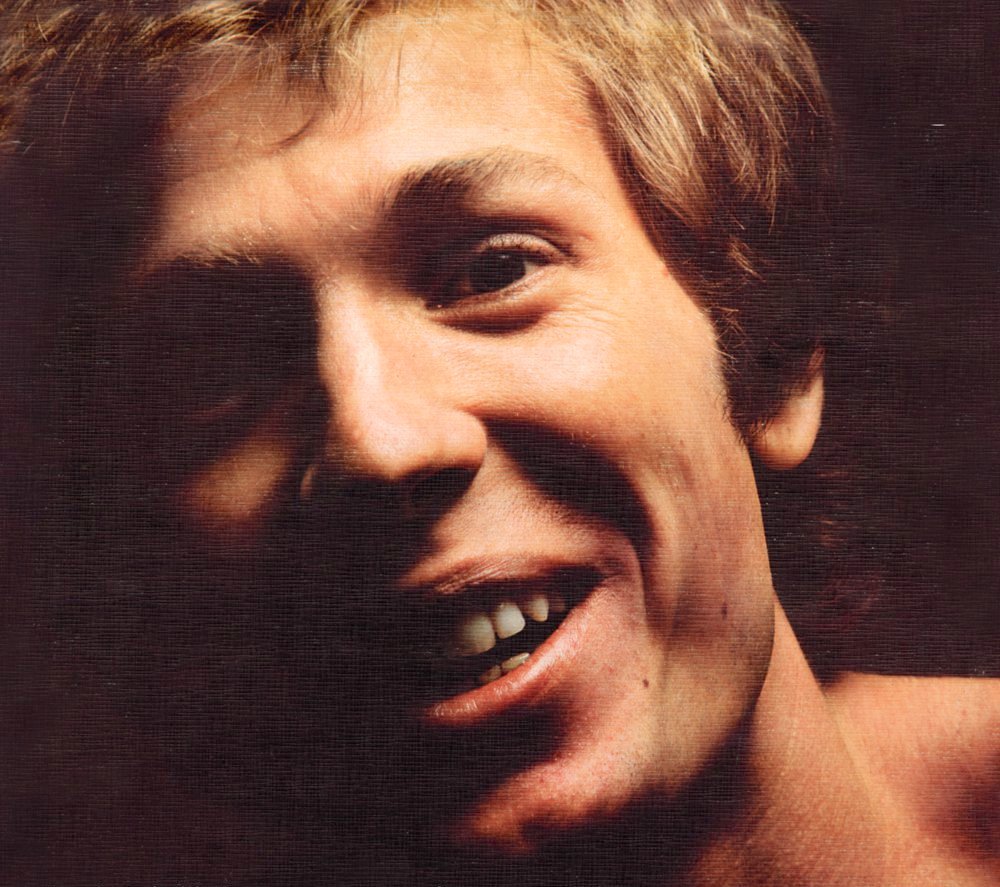
Scott Walker in 1970: still transitioning from pop idol to icon
◼ ONE OF THE MOST RESPECTED singers of our age died on Friday in London aged 76: the US-born Noel Scott Engel, who became a British citizen in 1970.
I interviewed him as Scott Walker in 1967 for Britain’s “first teenage newspaper”, titled Cue and published by IPC. At that very moment he was transitioning from teen idol into a more serious solo icon with his first album Scott, released in September and featuring the brilliant rendering of Brel’s angsty songs My Death and Amsterdam. For him the last straw had been to appear that April in the Walker Brothers trio on the Sunday-night TV variety show hosted by Bob Monkhouse at the London Palladium, and on viewing it Scott decided to split. Among his solo moves that December he released as his first single the risqué Jackie, from the new album Scott 2 (another Brel co-composition with louche themes that caused the BBC to ban it from airplay). As it headed up the UK pop chart, we met during rehearsals for Scott’s appearance on a TV Christmas special at ABC’s Teddington studios.
He lived in Marylebone at the time, had split from the Brothers (who were not actually blood brothers), gone into a monastery to study Gregorian chants and then set about starting an idiosyncratic solo career. He hated both the idea of being a pinup and his all too evident “pop-star” good looks. His most startling admission to me was that he was drinking “a bottle of wine and a bottle of Scotch a day” – in order to coarsen his baritone voice, he said! Scott recorded four seminal albums, Scott 1 to 4 and then disappeared.
In 1984 came Climate Of Hunter, the first of an experimental and challenging series of albums over many years, with titles such as Tilt 1995, The Drift 2006 and Bish Bosch 2012. All of them broke the rules of regular music and back in the day I listened to each album twice and remain gobsmacked today. (There’s a great video clip, shown above in the 30th Century Man trailer, of a percussionist punching a side of raw pork to achieve the exact kind of thwack Scott sought for the song Clara on The Drift.)
In recent years Scott could often be seen in my local supermarket in west London doing the shopping with his partner Beverly. Older and gaunter, he pulled his baseball cap down over his face but it was quite obvious to perhaps six other shoppers marking him that we knew who he was and as respectful fans we kept our distance. Scott is survived by his daughter, Lee, his granddaughter, Emmi-Lee, and Beverly.
BOWIE 1997: “MY IDOL SINCE I WAS A KID”
➢ Rock enigma Scott Walker dies aged 76 – BBC obituary
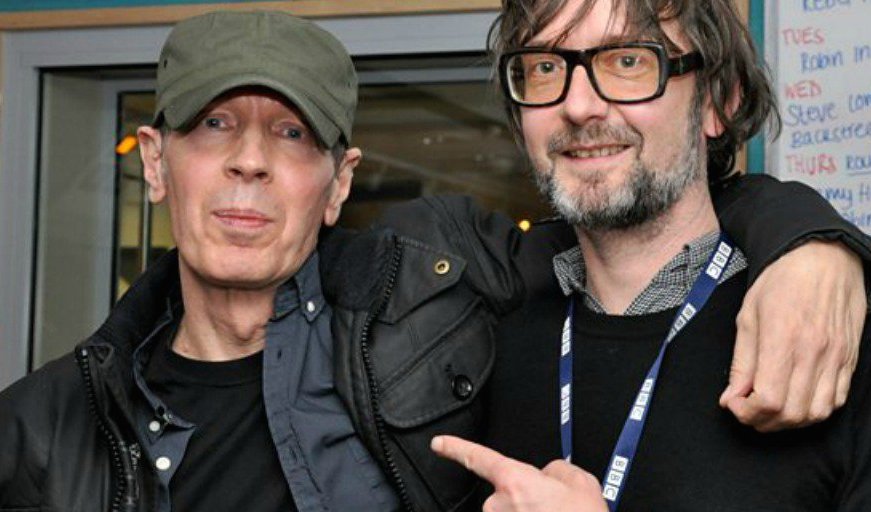
Scott Walker with Jarvis Cocker in 2017: a rich conversation about Scott’s life and times ensued (BBC)
➢ The Songs of Scott Walker – watch for this programme to become available at BBC iPlayer: Jarvis Cocker welcomes Scott Walker back to the Sunday Service ahead of the late-night BBC Prom celebrating his music, which took place at the Royal Albert Hall on Tuesday 25 July 2017. Includes the moment Walker made David Bowie cry on air.
➢ 30 Century Man (2007), directed by Stephen Kijack: Comprehensive survey of Scott’s life from his early days as a jobbing bass player on the Sunset Strip in which he describes his “lost years” in terms of creativity. Premiered at the 2006 London Film Festival followed by the 2007 Berlin International Film Festival. Available from Amazon on Blue-Ray and DVD.
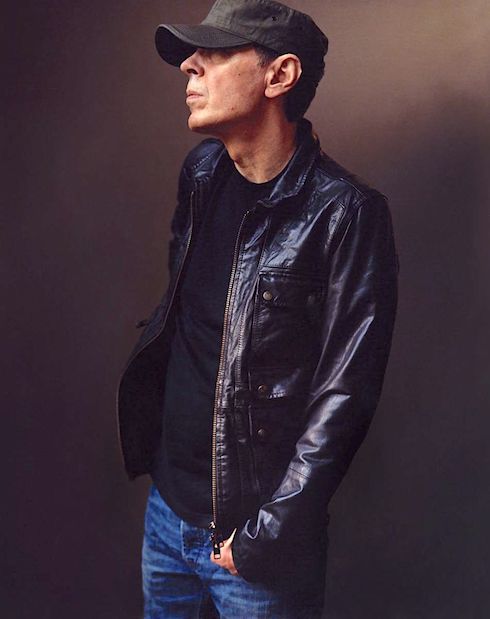
Among the last official photos of Scott by Jamie Hawkesworth. (Source 4AD)
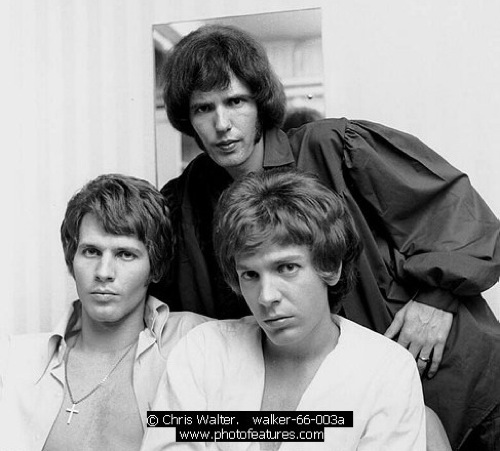
 In his 2009 book
 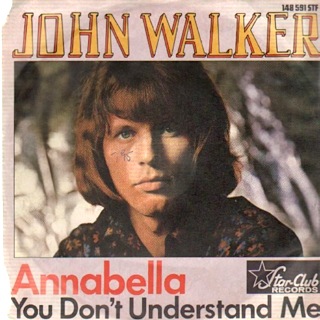 After the split, John released a single, Annabella, co-written by Graham Nash, which was a Top 30 hit in the UK, and an album, If You Go Away. Itchy feet and eager media reunited The Walker Brothers in 1975, and the hot comeback group released No Regrets, a single and album which proved hits for the fledgling GTO label. Two more albums followed in London to bring the band’s studio total to seven. But Scott’s legendary stage-fright resulted in lucrative tour offers being turned down, much to John’s exasperation.
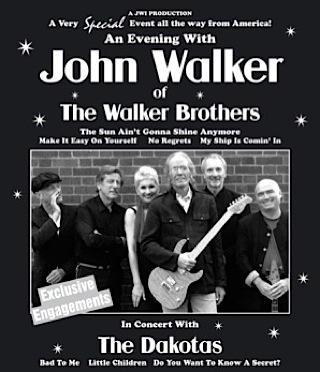 Just for the record, the Walkers were of course not really brothers but the stage name is how the world will remember John Maus, Scott Engel, and Gary Leeds. As a teenager John had worked with greats such Ritchie Valens, Glen Campbell and Phil Spector. As 21-year-olds in 1964, the three Californians came together in response to the feverish mid-60s pop scene where moptop hair and cheekbones to die for cast them as readymade pop idols. Their effortless balladeering backed by a huge lush orchestra brought to the UK pop charts much-needed sophistication, of the kind the US had in abundance, so success was less marked in their homeland.






 ➢➢ Shapers of the 80s ➣➣